
 阅读时间:5 分钟
  浏览量:4166次


Archaeological Equipment Management Systems: Why They Are Essential and How They Function
Archaeological Equipment Management Systems are crucial for efficiency, cost-effectiveness, and data integrity in archaeological projects. They enhance inventory control, improve equipment maintenance, streamline resource allocation, and support accurate data collection. A detailed description of how they support accurate data collection will follow. Accurate data collection is essential as it ensures that the information gathered during excavations is reliable, facilitating better analysis and interpretation of archaeological finds. These systems utilize barcoding or RFID technology to tag each piece of equipment, enabling precise tracking and minimizing human error.
I. ENHANCE INVENTORY CONTROL
Effective inventory control is fundamental in archaeological projects. With a large array of tools and equipment necessary for excavations, keeping track of each item can be daunting. Archaeological Equipment Management Systems provide a centralized database that logs all equipment details, including usage history, location, and status. This system helps prevent loss and theft, ensures that tools are available when needed, and reduces the time spent searching for equipment. Additionally, it allows project managers to quickly assess inventory levels and make informed decisions about purchasing or repairing tools.
II. IMPROVE EQUIPMENT MAINTENANCE
Regular maintenance of archaeological tools and equipment is crucial to avoid project delays and ensure the safety of the team. Archaeological Equipment Management Systems track maintenance schedules and alert users when service is due. This proactive approach minimizes equipment downtime and extends the lifespan of the tools. The system also records maintenance activities, providing a comprehensive history that can be used for future reference and planning. By ensuring that all equipment is in good working order, these systems help maintain the efficiency and effectiveness of archaeological excavations.
III. STREAMLINE RESOURCE ALLOCATION
Efficient resource allocation is key to the success of any archaeological project. Archaeological Equipment Management Systems allow project managers to allocate tools and equipment based on the specific needs of each excavation site. The system provides real-time data on equipment availability and usage, enabling managers to distribute resources more effectively. This reduces the risk of over- or under-utilizing equipment, ensures that all team members have the tools they need to perform their tasks, and optimizes overall project performance.
IV. SUPPORT ACCURATE DATA COLLECTION
Accurate data collection is fundamental to archaeological research. Archaeological Equipment Management Systems facilitate this by ensuring that all equipment is properly calibrated and functioning correctly. These systems can integrate with digital data collection tools, automatically recording the conditions and usage of equipment during excavations. This integration minimizes human error and ensures that data is consistently accurate. For instance, when using ground-penetrating radar (GPR) or other sensitive equipment, the system can log the exact settings and conditions, allowing for precise replication and analysis of findings. By maintaining the integrity of collected data, these systems support robust archaeological research and discoveries.
V. ENHANCE PROJECT MANAGEMENT
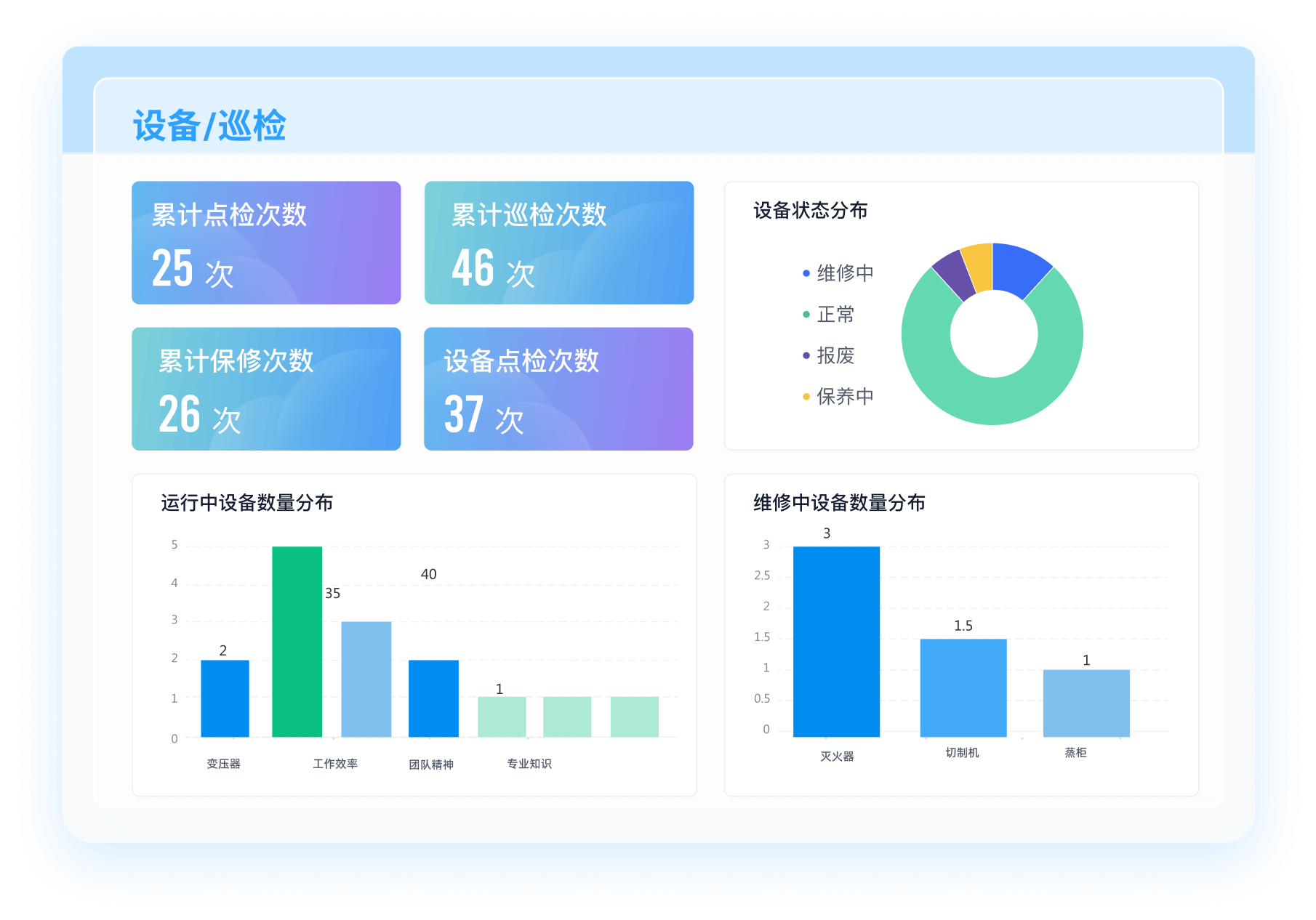
Project management in archaeology involves coordinating various activities, from planning and budgeting to execution and reporting. Archaeological Equipment Management Systems play a crucial role in this process by providing tools for scheduling, resource allocation, and progress tracking. These systems offer dashboards and reports that give project managers an overview of equipment usage, maintenance needs, and inventory levels. This visibility helps in making informed decisions, planning future projects, and ensuring that all aspects of the excavation are running smoothly. Furthermore, the ability to generate detailed reports can aid in securing funding and demonstrating the project's progress to stakeholders.
VI. INCREASE COST-EFFECTIVENESS
Managing the costs of archaeological projects is always a challenge. Archaeological Equipment Management Systems help in achieving cost-effectiveness by optimizing the use of existing resources, reducing the need for unnecessary purchases, and minimizing downtime due to equipment failures. By keeping track of the condition and usage of tools, these systems enable better budgeting for maintenance and replacements. Additionally, they can identify patterns in equipment usage that may indicate opportunities for cost savings, such as purchasing more durable tools or adjusting project timelines to reduce wear and tear on equipment. Overall, these systems contribute to more efficient use of funds and resources.
VII. FACILITATE COMPLIANCE AND SAFETY
Compliance with safety regulations and industry standards is paramount in archaeological work. Archaeological Equipment Management Systems assist in ensuring that all equipment meets required safety standards and is used correctly. The system can store and provide access to safety manuals, usage guidelines, and compliance documentation, making it easier for team members to adhere to protocols. Additionally, by tracking the condition and maintenance of tools, the system helps prevent accidents caused by faulty equipment. Ensuring compliance and safety not only protects the team but also enhances the credibility and professionalism of the archaeological project.
VIII. ENHANCE COLLABORATION AND COMMUNICATION
Archaeological projects often involve collaboration between multiple teams and stakeholders, including researchers, fieldworkers, and sponsors. Archaeological Equipment Management Systems facilitate better communication and collaboration by providing a centralized platform where all equipment-related information is accessible. Team members can easily check equipment status, reserve tools, and report issues, ensuring that everyone is on the same page. This transparency enhances coordination and reduces misunderstandings or conflicts over resource allocation. Moreover, the system can be accessed remotely, allowing off-site stakeholders to monitor progress and provide input, further supporting collaborative efforts.
IX. SUPPORT SUSTAINABILITY AND ENVIRONMENTAL RESPONSIBILITY
Sustainability is becoming increasingly important in all fields, including archaeology. Archaeological Equipment Management Systems contribute to sustainability by promoting the efficient use of resources and reducing waste. By ensuring that equipment is maintained and used effectively, these systems help extend the life of tools and minimize the need for replacements. Additionally, they can track the environmental impact of equipment usage, such as fuel consumption or emissions, allowing project managers to implement greener practices. This focus on sustainability not only benefits the environment but also aligns with the growing expectations for responsible and ethical practices in archaeology.
X. ENABLE SCALABILITY AND FLEXIBILITY
As archaeological projects vary in size and scope, the ability to scale and adapt is essential. Archaeological Equipment Management Systems offer the flexibility to handle projects of any size, from small local digs to large, multi-site excavations. The system can easily be scaled up or down based on the project's needs, adding or removing equipment and resources as required. This scalability ensures that the system remains effective and efficient, regardless of the project's complexity. Additionally, the flexibility of these systems allows for customization to meet the specific requirements of different projects, enhancing their overall utility and effectiveness.
In conclusion, Archaeological Equipment Management Systems are indispensable tools that enhance the efficiency, cost-effectiveness, and data integrity of archaeological projects. By improving inventory control, maintenance, resource allocation, and data collection, these systems ensure that archaeological teams can focus on their primary goal: uncovering and preserving the past. The integration of advanced technologies, such as barcoding and RFID, further streamlines operations and minimizes errors, making these systems a vital component of modern archaeological practice.
相关问答FAQs:
考古设备管理系统英文翻译为 "Archaeological Equipment Management System"。这个系统的设计旨在帮助考古学家和相关机构更有效地管理和使用考古设备,确保设备的可用性、维护和存档。以下是围绕该主题的常见问题解答。
1. 什么是考古设备管理系统,它的主要功能是什么?
考古设备管理系统是一个综合软件平台,专为考古学领域设计,旨在优化设备的管理和维护。该系统的主要功能包括设备登记、维护记录、使用调度、库存管理以及报告生成。通过设备登记,用户可以详细记录每一件设备的基本信息,包括型号、品牌、购入日期和状态等。维护记录功能确保所有设备在使用前后都能进行必要的检查和维护,避免因设备故障而影响考古工作的进展。使用调度功能则帮助考古团队合理安排设备的使用时间,确保设备的高效利用。库存管理则确保团队可以随时了解现有设备的数量和状态,避免重复购买或设备短缺的情况。而报告生成则提供了对设备使用情况的定期分析,帮助管理者做出更好的决策。
2. 采用考古设备管理系统对考古工作有哪些积极影响?
采用考古设备管理系统能够极大地提升考古工作的效率和安全性。首先,系统的规范化管理可以减少设备的丢失和损坏,降低维修成本。通过实时监控设备的使用情况,考古团队可以及时发现问题并进行维修,避免因设备故障而导致的考古现场停工。其次,系统的使用调度功能确保了设备的合理分配,避免了资源的浪费,提高了考古项目的整体效率。此外,系统所提供的数据分析功能,能够帮助团队评估设备的使用频率和效益,从而为未来的设备采购和管理提供数据支持。最后,良好的设备管理可以提高考古工作的安全性,确保所有使用的设备均符合安全标准,从而保护考古人员的安全。
3. 如何选择合适的考古设备管理系统?
选择合适的考古设备管理系统时,需要考虑多个因素。首先,系统的功能应与团队的具体需求相匹配,包括设备种类、管理规模以及使用频率等。不同的考古项目可能对设备管理有不同的要求,因此在选择时应进行详细的需求分析。其次,系统的用户友好性也非常重要。界面直观、操作简单的系统能够减少培训时间,提高团队的使用效率。此外,系统的技术支持和维护服务也是选择时的重要考量因素,确保在使用过程中遇到问题时能够及时获得帮助。最后,考虑到预算因素,选择性价比高的解决方案也是关键,确保在保证功能的前提下,控制成本。通过综合考虑这些因素,可以找到最适合自己团队的考古设备管理系统。
考古设备管理系统在现代考古学研究中扮演着重要角色,通过科学的管理方式,能够提升研究效率,确保考古工作的顺利进行。




































































 《零代码开发知识图谱》
 《零代码
新动能》案例集
《零代码
新动能》案例集
 《企业零代码系统搭建指南》