 阅读时间:8 分钟
  浏览量:6008次


A facilities and equipment management system is essential for efficiently managing an organization's physical assets, ensuring proper maintenance, and optimizing resource utilization. By implementing such a system, organizations can experience benefits like reduced downtime, cost savings, improved asset longevity, and enhanced operational efficiency. One of the key advantages is reduced downtime, which minimizes the impact of equipment failures on business operations, thereby ensuring continuous productivity. By scheduling regular maintenance and inspections, the system helps prevent unexpected breakdowns, saving both time and money.
一、REDUCED DOWNTIME
Implementing a facilities and equipment management system significantly reduces downtime by enabling proactive maintenance and prompt issue resolution. This system can schedule routine maintenance, send alerts for upcoming inspections, and track repair activities. By addressing potential issues before they lead to equipment failure, the system ensures continuous operation. Furthermore, it helps identify patterns of recurring issues, allowing organizations to take preventive measures. Reduced downtime leads to uninterrupted production, which is crucial for meeting deadlines and maintaining customer satisfaction. By minimizing the time machinery is offline, businesses can also avoid the high costs associated with emergency repairs and lost productivity.
二、COST SAVINGS
A facilities and equipment management system helps organizations achieve substantial cost savings. By optimizing maintenance schedules and avoiding unnecessary repairs, the system ensures that resources are used efficiently. Preventive maintenance is generally more cost-effective than reactive repairs, as it addresses potential issues before they escalate into major problems. Additionally, the system can provide insights into energy consumption, allowing businesses to implement energy-saving measures. This not only reduces operational costs but also contributes to sustainability efforts. Furthermore, the system can help in managing inventory levels for spare parts, ensuring that only necessary items are stocked, thus avoiding excess expenditure.
三、IMPROVED ASSET LONGEVITY
Properly maintained equipment tends to have a longer lifespan. A facilities and equipment management system ensures that all assets receive timely and appropriate maintenance. By keeping detailed records of each piece of equipment, including its maintenance history and performance data, the system helps in making informed decisions about repairs and replacements. This data-driven approach ensures that assets are not prematurely retired and that their full potential is utilized. Enhanced asset longevity means organizations can defer capital expenditures on new equipment, leading to significant savings. Moreover, well-maintained equipment operates more efficiently, contributing to overall productivity.
四、ENHANCED OPERATIONAL EFFICIENCY
Operational efficiency is greatly enhanced with a facilities and equipment management system. The system streamlines maintenance workflows, ensures timely completion of tasks, and minimizes disruptions. By centralizing all maintenance activities and data, it provides a clear overview of the operational status of all assets. This transparency allows for better coordination and planning. For example, maintenance tasks can be scheduled during non-peak hours to avoid interference with production. The system also enables better communication among maintenance teams, ensuring that all members are aware of their responsibilities and deadlines. Improved operational efficiency results in higher productivity and better utilization of resources.
五、COMPLIANCE AND SAFETY
Compliance with industry standards and safety regulations is critical for any organization. A facilities and equipment management system helps ensure that all maintenance activities meet regulatory requirements. It keeps detailed records of all inspections, maintenance tasks, and repairs, which can be crucial during audits. The system can also provide reminders for compliance-related activities, such as safety inspections and certification renewals. By ensuring that all equipment is maintained according to standards, the system helps prevent accidents and safety incidents. This not only protects employees but also reduces the risk of costly legal issues and fines.
六、DATA-DRIVEN DECISION MAKING
The data collected by a facilities and equipment management system is invaluable for decision-making. Detailed records of equipment performance, maintenance history, and operational efficiency provide insights that can guide future strategies. For instance, the data can reveal trends in equipment failures, helping organizations identify areas that require attention. Predictive analytics can also be employed to forecast potential issues and plan accordingly. By making decisions based on accurate data, organizations can optimize their maintenance practices, allocate resources more effectively, and improve overall operations. Data-driven decision-making leads to better outcomes and enhances the competitiveness of the organization.
七、INTEGRATION WITH OTHER SYSTEMS
Modern facilities and equipment management systems can integrate with other business systems, such as enterprise resource planning (ERP) and asset management systems. This integration ensures a seamless flow of information across the organization, enhancing overall efficiency. For example, integrating the management system with the procurement module of an ERP system can automate the ordering of spare parts when inventory levels are low. This ensures that maintenance activities are not delayed due to a lack of necessary components. Integration also enables more comprehensive reporting and analysis, providing a holistic view of the organization's operations.
八、CUSTOMIZABILITY AND SCALABILITY
A good facilities and equipment management system is customizable to meet the specific needs of an organization. Whether it's a small business with a few assets or a large enterprise with complex requirements, the system can be tailored accordingly. Customizability ensures that the system addresses the unique challenges and objectives of the organization. Additionally, the system should be scalable, capable of growing with the business. As the organization expands and its needs evolve, the system can accommodate new assets, additional users, and more advanced features. This flexibility ensures that the system remains relevant and effective over time.
九、MOBILE ACCESS AND CLOUD-BASED SOLUTIONS
Modern facilities and equipment management systems often offer mobile access and cloud-based solutions. Mobile access allows maintenance personnel to update records, receive notifications, and access information from anywhere, enhancing flexibility and responsiveness. Cloud-based solutions provide several benefits, including reduced IT infrastructure costs, automatic updates, and enhanced data security. These systems are accessible from any location with an internet connection, making them ideal for organizations with multiple sites or remote operations. The convenience and accessibility of mobile and cloud-based systems contribute to more efficient and effective facilities and equipment management.
Implementing a facilities and equipment management system is a strategic move that brings numerous benefits to an organization. From reducing downtime and achieving cost savings to improving asset longevity and enhancing operational efficiency, the advantages are clear. By leveraging data-driven decision-making and ensuring compliance and safety, organizations can optimize their maintenance practices and achieve better outcomes. Integration with other systems, customizability, scalability, and modern features like mobile access and cloud-based solutions further enhance the value of these systems.
相关问答FAQs:
设施设备管理系统是什么?
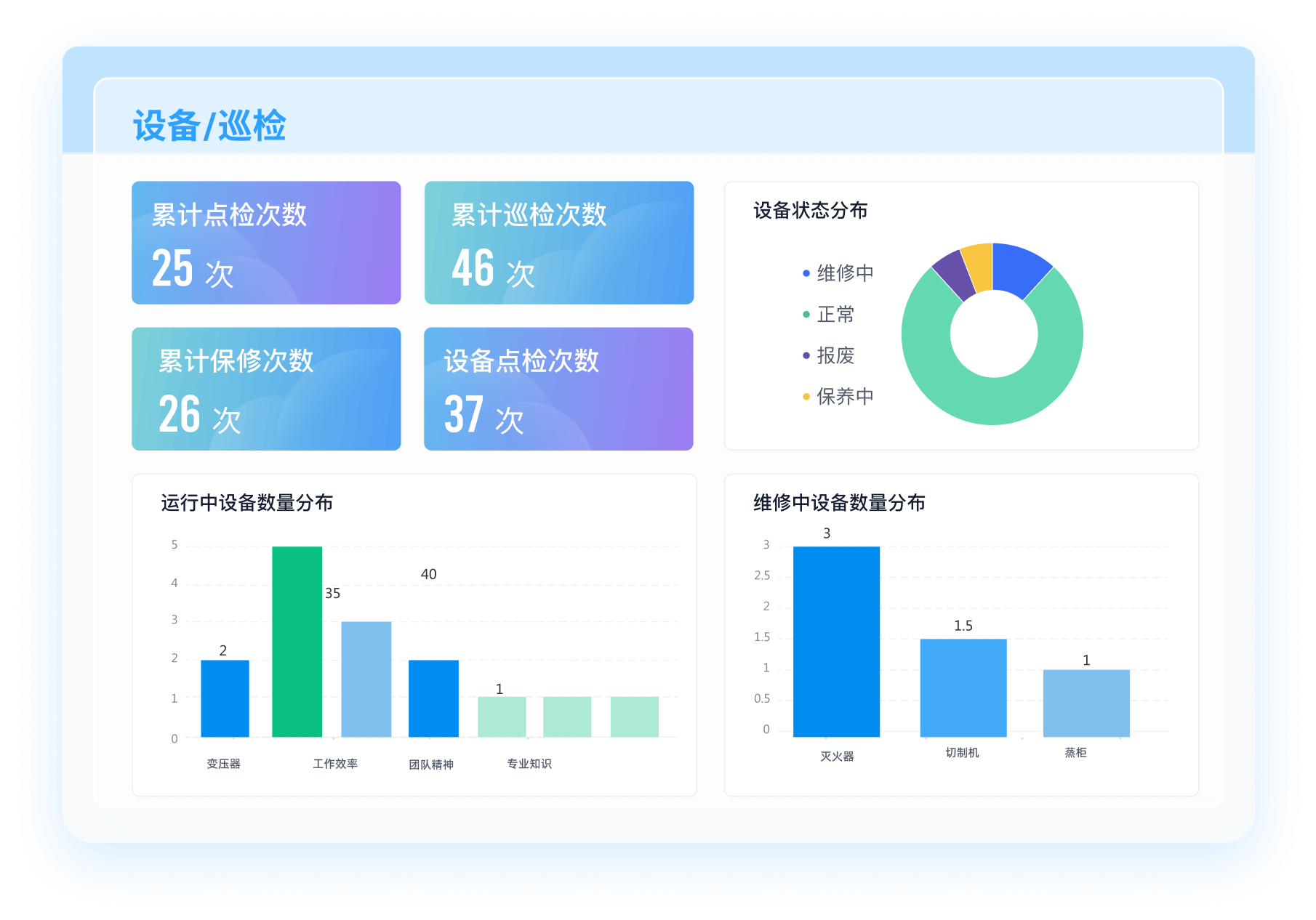
设施设备管理系统(Asset Management System)是一个集成的信息系统,旨在帮助组织有效管理其资产和设备。这种系统通常包括资产的采购、维护、监控和报废等全过程的管理。通过利用现代技术,如物联网(IoT)、大数据分析和云计算,设施设备管理系统不仅提高了设备利用率,还降低了运营成本。它能够实时跟踪设备的状态,提供详细的维护记录,并生成分析报告,帮助决策者制定更有效的管理策略。
设施设备管理系统通常包括以下几个关键功能:
- 资产登记和追踪:通过条形码或RFID技术,系统能够实时监控设备的位置和状态。
- 维护管理:系统能自动生成维护计划和提醒,确保设备得到及时的保养和维修。
- 报表生成:提供详细的报表和分析,帮助管理层了解资产使用情况和维护成本。
- 生命周期管理:从采购到报废,系统能够管理设备的整个生命周期,优化资产配置和使用效率。
这种系统适用于各种行业,包括制造业、医疗保健、教育、能源等,有助于提高运营效率和降低风险。
设施设备管理系统的优势是什么?
设施设备管理系统为企业和组织提供了多种优势,能够显著提升资产管理的效率和效果。以下是其主要优势:
- 提高资产利用率:通过实时监控和数据分析,管理者可以更好地了解设备的使用情况,避免资源浪费,实现设备的最优配置。
- 降低维护成本:系统能够预测设备故障,提前安排维护,从而减少突发性故障导致的高额维修费用。
- 延长设备寿命:定期的维护和保养能够有效延长设备的使用寿命,降低更换频率,节省资金投入。
- 增强决策支持:通过详细的报表和数据分析,管理层能够基于准确的数据做出更明智的决策,优化资产配置。
- 合规性和风险管理:系统能够帮助企业遵循相关法规和标准,减少合规风险,同时通过监控和管理降低安全隐患。
综上所述,设施设备管理系统不仅能提升企业的运营效率,还能为长期的可持续发展提供支持。
如何选择合适的设施设备管理系统?
选择合适的设施设备管理系统是确保组织高效管理资产的关键。以下是几个重要的考虑因素:
- 功能需求:根据组织的具体需求,评估系统是否具备所需的功能,如资产追踪、维护管理、报表生成等。了解企业的资产类型和管理复杂性是选择合适系统的第一步。
- 用户友好性:系统的界面和操作流程应简洁明了,易于员工使用。良好的用户体验可以提高系统的接受度和使用频率。
- 技术支持与服务:选择提供良好技术支持和客户服务的供应商至关重要。系统上线后的支持和维护可以确保其持续有效运行。
- 集成能力:考虑系统与现有业务流程和其他软件系统的兼容性,确保能够顺畅集成,减少数据孤岛。
- 成本效益:评估系统的总拥有成本,包括购买、维护和运营成本。选择性价比高的解决方案,确保投资回报最大化。
在选择设施设备管理系统时,企业应进行充分的市场调研,必要时可以进行试用,以找到最符合自身需求的解决方案。








































 《零代码开发知识图谱》
 《零代码
新动能》案例集
《零代码
新动能》案例集
 《企业零代码系统搭建指南》