
 阅读时间:7 分钟
  浏览量:1719次


What is the English Name for 设备管理系统? Asset Management System (AMS)、Equipment Management System (EMS)、Computerized Maintenance Management System (CMMS)、Enterprise Asset Management (EAM). One common term is "Asset Management System (AMS)," which refers to a comprehensive approach for monitoring, maintaining, and managing an organization’s physical assets. This system ensures optimal performance, reduces downtime, and extends the lifecycle of equipment through systematic maintenance, tracking, and management. It incorporates software solutions for data collection, analysis, and reporting to enhance decision-making processes.
一、ASSET MANAGEMENT SYSTEM (AMS)
Asset Management System (AMS) is a broad term encompassing all activities, processes, and systems involved in managing an organization's assets effectively. AMS typically includes:
- Inventory Management: Keeping track of all physical assets, their conditions, and locations.
- Maintenance Management: Scheduling and performing maintenance tasks to ensure assets are in optimal working condition.
- Lifecycle Management: Monitoring the lifecycle of assets from acquisition to disposal to maximize their value.
- Compliance and Risk Management: Ensuring that all assets comply with regulatory requirements and managing risks associated with asset failure or downtime.
AMS solutions integrate various technologies like IoT (Internet of Things), AI (Artificial Intelligence), and big data analytics to provide real-time insights and predictive maintenance capabilities.
二、EQUIPMENT MANAGEMENT SYSTEM (EMS)
Equipment Management System (EMS) focuses specifically on managing and maintaining physical equipment within an organization. Key components include:
- Preventive Maintenance: Regularly scheduled maintenance tasks aimed at preventing equipment failures.
- Corrective Maintenance: Addressing equipment issues as they arise to minimize downtime.
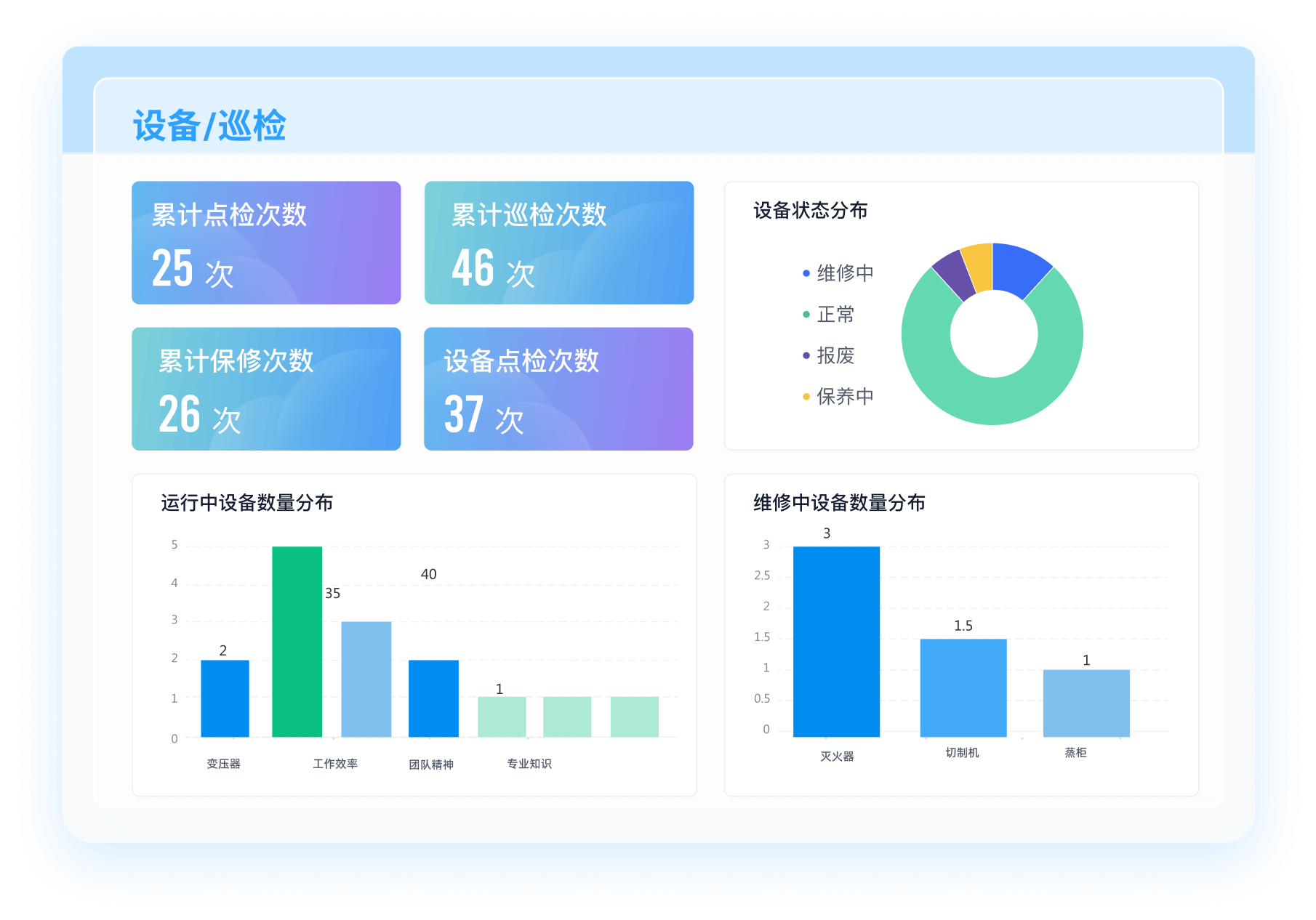
- Asset Tracking: Using barcodes, RFID, or GPS to track equipment locations and usage.
- Performance Monitoring: Monitoring equipment performance metrics to identify trends and potential issues.
EMS often involves software that allows for detailed tracking and analysis of equipment performance, helping organizations reduce operational costs and improve equipment reliability.
三、COMPUTERIZED MAINTENANCE MANAGEMENT SYSTEM (CMMS)
Computerized Maintenance Management System (CMMS) is a software-based solution designed to streamline maintenance management. It includes:
- Work Order Management: Creating, assigning, and tracking maintenance work orders.
- Maintenance Scheduling: Automating the scheduling of routine maintenance tasks.
- Inventory Control: Managing spare parts and supplies needed for maintenance activities.
- Reporting and Analytics: Generating reports on maintenance activities, costs, and equipment performance.
CMMS is crucial for organizations looking to enhance their maintenance operations' efficiency and effectiveness, reduce downtime, and extend the lifespan of their assets.
四、ENTERPRISE ASSET MANAGEMENT (EAM)
Enterprise Asset Management (EAM) encompasses the broader scope of managing an organization’s assets, including:
- Strategic Planning: Long-term planning of asset investments and lifecycle management.
- Operational Efficiency: Ensuring that assets are used efficiently to meet operational goals.
- Financial Management: Managing the financial aspects of assets, including depreciation, amortization, and return on investment (ROI).
- Regulatory Compliance: Ensuring that assets meet all regulatory and safety requirements.
EAM solutions are often integrated with other enterprise systems like ERP (Enterprise Resource Planning) to provide a holistic view of asset performance and management.
五、INTEGRATING IOT AND AI
Integrating IoT (Internet of Things) and AI (Artificial Intelligence) in asset management systems brings several advanced capabilities:
- Predictive Maintenance: Using sensors and AI algorithms to predict when maintenance is needed, preventing unexpected failures.
- Real-Time Monitoring: Continuous monitoring of asset conditions and performance in real time.
- Data Analytics: Analyzing large datasets to identify patterns and insights for better decision-making.
- Automation: Automating routine tasks and maintenance processes to improve efficiency.
These technologies significantly enhance the ability to manage assets proactively, reducing costs, and improving overall asset performance.
六、IMPLEMENTATION CHALLENGES
Implementation Challenges in deploying asset management systems include:
- Integration with Existing Systems: Ensuring compatibility and seamless integration with current systems.
- Data Quality: Maintaining accurate and up-to-date data on all assets.
- User Training: Training staff to use new systems and technologies effectively.
- Cost: Managing the costs associated with implementing and maintaining these systems.
Addressing these challenges requires careful planning, clear communication, and ongoing support to ensure successful implementation and operation.
七、BENEFITS OF ASSET MANAGEMENT SYSTEMS
Benefits of Asset Management Systems are numerous:
- Enhanced Efficiency: Streamlining maintenance processes and improving operational efficiency.
- Cost Savings: Reducing maintenance costs and extending asset lifecycles.
- Improved Reliability: Ensuring assets are reliable and available when needed.
- Better Decision-Making: Providing data and insights for informed decision-making.
These benefits highlight the importance of investing in robust asset management systems to achieve operational excellence and long-term success.
八、CHOOSING THE RIGHT SYSTEM
Choosing the Right System involves:
- Assessing Needs: Identifying the specific needs and requirements of the organization.
- Evaluating Options: Comparing different systems based on features, scalability, and cost.
- Vendor Support: Ensuring that the vendor provides adequate support and training.
- Scalability: Selecting a system that can grow with the organization’s needs.
Making the right choice ensures that the asset management system provides maximum value and supports the organization’s goals effectively.
相关问答FAQs:
什么是设备管理系统?
设备管理系统是一种用于监控、管理和维护各种设备的系统。它可以帮助企业有效地跟踪设备的使用情况、维护记录、性能指标和故障历史。这种系统通常包括硬件和软件的组合,能够提供实时数据和分析,帮助决策者优化设备的使用效率和生命周期管理。设备管理系统在不同的行业中都有应用,例如制造业、医疗行业、建筑和交通运输等。
通过设备管理系统,企业可以实现设备的自动化监控,减少人工干预,提高工作效率。系统的功能通常包括资产管理、维修管理、库存管理、故障报警、数据分析和报告生成等。无论是大型企业还是中小型企业,实施设备管理系统都能够显著提升资源利用率,降低运营成本。
设备管理系统的主要功能有哪些?
设备管理系统的主要功能多种多样,能够满足不同企业的需求。以下是一些常见的功能:
-
资产管理:实时跟踪和管理所有设备的状态,包括设备的采购、使用、维修和报废等信息。通过资产管理模块,企业能够清晰了解每一台设备的具体情况,避免资源浪费。
-
维护管理:提供设备维护的日程安排和提醒功能,确保设备在最佳状态下运行。系统可以记录维护历史,帮助企业分析设备的维护需求和频率,从而优化维护计划。
-
故障监测与报警:通过传感器和监控技术,实时监测设备的运行状态。一旦发现故障或异常,系统会立即发出报警,通知相关人员进行处理,减少设备停机时间。
-
数据分析与报告:系统能够收集和分析大量的设备数据,生成各类报告,帮助管理层做出更明智的决策。这些报告可以包括设备利用率、故障率、维护成本等关键指标的分析。
-
库存管理:管理与设备相关的配件和耗材库存,确保在需要时能够及时获取所需物品。通过库存管理功能,企业能够降低库存成本,提高物料管理效率。
通过这些功能,设备管理系统不仅能提高设备的可靠性和使用效率,还能为企业创造更大的经济效益。
如何选择合适的设备管理系统?
选择合适的设备管理系统是一项重要的决策,影响着企业的运营效率和成本控制。在选择时,企业需要考虑以下几个关键因素:
-
功能需求:根据企业的实际需求,确定所需的功能模块。不同的行业和企业规模对设备管理的需求各不相同,选择一个能够满足特定需求的系统至关重要。
-
用户友好性:系统的界面和操作流程应该简洁明了,易于员工使用。复杂的操作可能导致员工的抵触情绪,从而影响系统的实施效果。
-
集成能力:设备管理系统应能够与其他业务系统(如财务、采购和人力资源系统)进行无缝集成,实现数据的共享和流通,提升整体管理效率。
-
数据安全性:考虑系统的数据安全性,包括数据存储、备份和恢复功能。确保企业的敏感信息能够安全存储,避免数据泄露和损失。
-
供应商信誉与支持:选择具有良好信誉的供应商,并确认其提供的技术支持和售后服务是否到位。一个可靠的供应商能够在系统实施和后期维护中提供必要的帮助。
通过综合考量这些因素,企业能够选择到最适合自己的设备管理系统,从而提升设备管理的效率与效果。
























































 《零代码开发知识图谱》
 《零代码
新动能》案例集
《零代码
新动能》案例集
 《企业零代码系统搭建指南》