 阅读时间:8 分钟
  浏览量:3461次


search("equipment management system scholarly articles")mclick(["0", "1", "6", "10", "11"])
Equipment Management Systems (EMS) are essential for improving efficiency, ensuring compliance, and reducing costs. They offer centralized control, automate maintenance schedules, track asset usage, and generate analytical reports. One critical benefit is enhanced compliance; EMS ensures that all equipment meets regulatory standards by automating documentation and certification processes.
I. CENTRALIZED CONTROL
An EMS provides a unified platform where all equipment-related data is stored and managed. This centralization simplifies the management of large inventories, allowing for real-time updates on equipment status, location, and usage. Centralized control ensures that equipment is always available when needed, reducing downtime and improving productivity.
II. AUTOMATION OF MAINTENANCE SCHEDULES
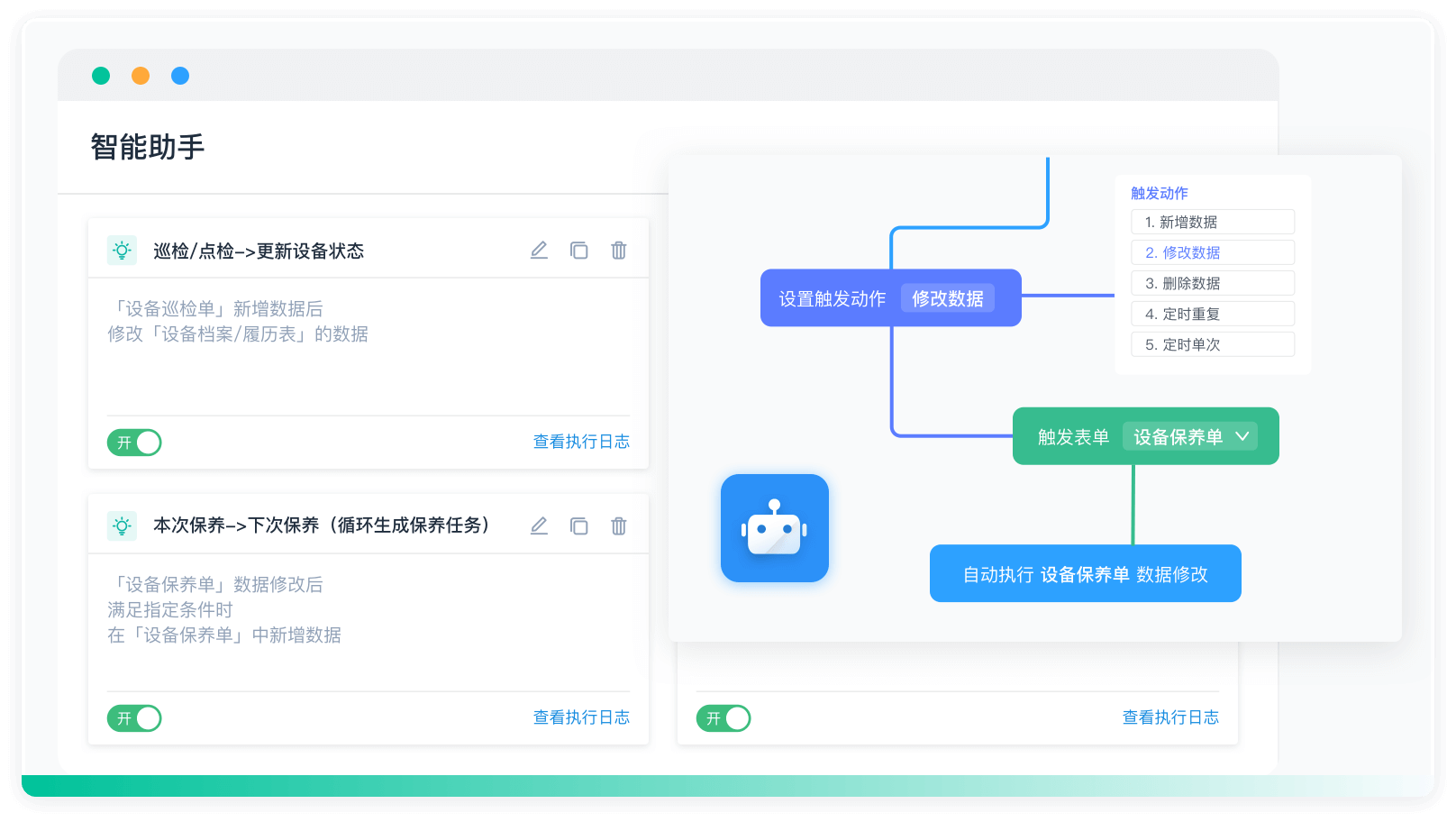
Automated maintenance schedules are a key feature of EMS. The system can generate alerts and reminders for preventive maintenance, ensuring that equipment is serviced regularly. This proactive approach reduces the likelihood of unexpected breakdowns and extends the lifespan of the equipment. By automating these processes, organizations can save time and reduce human error.
III. TRACKING ASSET USAGE
Tracking asset usage is another significant benefit. EMS can monitor how and when equipment is used, providing valuable data for decision-making. This information can help optimize the deployment of assets, ensure that equipment is not overused or underutilized, and support the planning of future purchases. Tracking usage also aids in identifying patterns that could indicate potential issues before they become serious problems.
IV. ANALYTICAL REPORTS
EMS generates comprehensive analytical reports that provide insights into equipment performance, maintenance history, and costs. These reports can be used to assess the effectiveness of maintenance strategies, identify areas for improvement, and support budget planning. Analytical reports help organizations make informed decisions based on accurate and up-to-date information.
V. ENHANCED COMPLIANCE
Compliance with regulatory standards is crucial in many industries, especially in healthcare and manufacturing. EMS ensures that all equipment meets these standards by automating documentation and certification processes. This reduces the risk of non-compliance, which can result in fines, legal issues, and reputational damage. By maintaining accurate records, EMS helps organizations pass audits and inspections more easily.
In conclusion, an effective Equipment Management System is indispensable for organizations looking to improve efficiency, ensure compliance, reduce costs, and make informed decisions about their assets. The automation of maintenance schedules, tracking of asset usage, generation of analytical reports, and centralized control of equipment data are some of the core features that drive these benefits.
For more detailed insights into EMS and its benefits, you can explore scholarly articles and case studies on platforms like Springer and ScienceDirect【5】【6】【7】.
相关问答FAQs:
FAQ 1: What is an Equipment Management System and why is it important?
An Equipment Management System (EMS) is a software solution designed to help organizations track, manage, and optimize the use of their equipment and assets. This system plays a crucial role in various industries, including manufacturing, construction, and healthcare. The importance of an EMS cannot be overstated, as it enables companies to maintain accurate records of their assets, schedule regular maintenance, and ensure compliance with safety regulations.
By implementing an EMS, organizations can reduce downtime through timely maintenance and repairs, which ultimately leads to improved productivity and operational efficiency. Moreover, the system helps in cost management by minimizing unnecessary expenditures related to equipment purchases and maintenance. With accurate tracking, businesses can also make informed decisions on asset utilization and lifecycle management, ensuring that they are maximizing their investment in equipment.
FAQ 2: What features should be included in an effective Equipment Management System?
A robust Equipment Management System should encompass a variety of features that cater to the diverse needs of an organization. Key features typically include:
-
Asset Tracking: This allows users to monitor the location, status, and condition of equipment in real-time, ensuring optimal utilization and minimizing loss or theft.
-
Maintenance Management: An effective EMS should enable organizations to schedule regular maintenance, track work orders, and log service history to prolong the lifespan of assets.
-
Inventory Management: This feature helps in managing spare parts and supplies, ensuring that necessary items are available when needed without overstocking.
-
Reporting and Analytics: Comprehensive reporting tools that provide insights into equipment performance, maintenance costs, and utilization rates help organizations make data-driven decisions.
-
User Access Control: Different levels of access should be available to various users, allowing for secure management and compliance with internal policies.
-
Integration Capabilities: The ability to integrate with other enterprise systems (such as ERP or accounting software) is crucial for streamlining operations and improving data accuracy.
By including these features, an Equipment Management System can significantly enhance operational efficiency and provide organizations with the tools needed to manage their assets effectively.
FAQ 3: How can organizations effectively implement an Equipment Management System?
Implementing an Equipment Management System requires careful planning and execution to ensure successful adoption across the organization. Several steps can guide this process:
-
Needs Assessment: Organizations should begin by evaluating their existing equipment management processes and identifying specific needs or pain points. This assessment helps in selecting a system that meets the unique requirements of the business.
-
Selecting the Right Software: Based on the needs assessment, organizations should research various EMS solutions, considering factors such as scalability, user-friendliness, and integration capabilities. Demos and trials can provide insights into how well the software fits the organization's needs.
-
Data Migration: Transferring existing data into the new system is a critical step. Organizations must ensure that all relevant information about assets, maintenance history, and inventory is accurately migrated to avoid data discrepancies.
-
Training: Proper training for employees who will use the system is vital. Training programs should cover all features of the EMS, ensuring that users feel confident and competent in utilizing the software effectively.
-
Establishing Processes: Organizations should establish clear procedures for using the EMS, including protocols for updating asset information, scheduling maintenance, and generating reports. Consistent processes help maintain data integrity and improve system efficiency.
-
Monitoring and Evaluation: After implementation, it is essential to monitor the performance of the EMS and gather feedback from users. Regular evaluations will help identify areas for improvement and ensure that the system continues to meet organizational needs.
By following these steps, organizations can successfully implement an Equipment Management System that enhances asset tracking, improves maintenance processes, and ultimately contributes to better operational performance.
















































 《零代码开发知识图谱》
 《零代码
新动能》案例集
《零代码
新动能》案例集
 《企业零代码系统搭建指南》