
 阅读时间:5 分钟
  浏览量:3752次


Tianwen Equipment Management System: Overview, Benefits, and Implementation
The Tianwen Equipment Management System is designed to streamline and optimize the management of various equipment types across different industries. Key benefits include increased operational efficiency, reduced downtime, and enhanced data-driven decision-making capabilities. For instance, the system allows for real-time tracking of equipment status, maintenance schedules, and performance metrics, which significantly reduces unplanned downtimes and extends the equipment lifespan.
I. SYSTEM OVERVIEW
The Tianwen Equipment Management System (TEMS) is a comprehensive software solution tailored for the effective management of physical assets and equipment within an organization. The system integrates various functionalities such as asset tracking, maintenance management, and performance analytics to provide a holistic view of the equipment lifecycle.
Key Features:
- Asset Tracking: TEMS offers robust asset tracking capabilities, allowing users to monitor the location and status of equipment in real-time. This feature leverages technologies such as RFID, GPS, and barcode scanning to ensure precise tracking and minimize losses.
- Maintenance Management: The system supports both preventive and predictive maintenance strategies. By scheduling regular maintenance tasks and monitoring equipment health, TEMS helps prevent unexpected failures and prolongs equipment life.
- Performance Analytics: TEMS includes advanced analytics tools that provide insights into equipment performance. Users can generate reports on usage patterns, downtime, and maintenance costs to make informed decisions.
II. BENEFITS OF IMPLEMENTATION
Implementing the Tianwen Equipment Management System offers several significant advantages that can transform how an organization handles its assets.
Increased Operational Efficiency: By automating and optimizing asset management processes, TEMS reduces manual intervention and administrative overhead. This results in faster and more accurate task execution, allowing staff to focus on higher-value activities.
Reduced Downtime: With real-time monitoring and predictive maintenance capabilities, TEMS helps identify potential issues before they lead to equipment failure. This proactive approach minimizes downtime and ensures continuous operations, which is critical in industries where equipment availability directly impacts productivity.
Enhanced Data-Driven Decision-Making: TEMS provides a wealth of data on equipment usage, performance, and maintenance history. By analyzing this data, organizations can identify trends, predict future needs, and allocate resources more effectively. This leads to better decision-making and strategic planning.
Cost Savings: Efficient equipment management reduces unnecessary repairs and replacements, lowering overall maintenance costs. Additionally, extending the lifespan of assets through proper maintenance can lead to significant savings over time.
Compliance and Reporting: TEMS helps organizations stay compliant with industry regulations by maintaining accurate records of maintenance activities and equipment inspections. The system can generate comprehensive reports that are essential for audits and regulatory compliance.
III. IMPLEMENTATION PROCESS
Successful implementation of the Tianwen Equipment Management System involves several critical steps:
Assessment and Planning: The first step is to conduct a thorough assessment of the organization’s current asset management practices and identify areas for improvement. This involves gathering requirements, setting objectives, and developing a detailed implementation plan.
System Configuration and Customization: TEMS is a flexible system that can be customized to meet specific organizational needs. During this phase, the system is configured to align with the existing workflows and processes. This may involve customizing user interfaces, setting up data fields, and defining maintenance schedules.
Data Migration: Migrating existing asset data into the TEMS database is a crucial step. This process involves cleaning and standardizing data to ensure accuracy and completeness. Data migration can be complex, especially if the organization has a large volume of historical data.
User Training: To maximize the benefits of TEMS, it is essential to train users on how to effectively use the system. Training programs should cover all aspects of the system, including asset tracking, maintenance management, and report generation. Hands-on training sessions can help users become proficient and confident in using the system.
Go-Live and Support: After configuration, customization, and training, the system is ready to go live. During the initial phase, it is important to provide ongoing support to address any issues and ensure smooth operation. Continuous monitoring and feedback help refine the system and optimize performance.
IV. CHALLENGES AND SOLUTIONS
While the benefits of implementing TEMS are substantial, organizations may encounter several challenges during the process.
Resistance to Change: Employees may be resistant to adopting new technology, especially if they are accustomed to traditional methods. To overcome this, it is important to involve users early in the implementation process and communicate the benefits clearly. Providing adequate training and support can also help ease the transition.
Data Quality Issues: Poor data quality can hinder the effectiveness of TEMS. Ensuring data accuracy during the migration process is critical. Implementing data validation rules and regular audits can help maintain high data quality.
Integration with Existing Systems: Integrating TEMS with other existing systems (e.g., ERP, CRM) can be challenging. A well-defined integration strategy and the use of APIs can facilitate seamless data exchange between systems.
Cost of Implementation: The initial cost of implementing TEMS can be a concern for some organizations. However, the long-term benefits, such as reduced maintenance costs and increased efficiency, often outweigh the initial investment. A phased implementation approach can help manage costs and demonstrate quick wins.
V. FUTURE TRENDS IN EQUIPMENT MANAGEMENT
The field of equipment management is continually evolving, with new technologies and trends shaping its future.
Internet of Things (IoT): IoT technology is revolutionizing equipment management by enabling real-time monitoring and control of assets. IoT sensors can collect data on equipment performance, environmental conditions, and usage patterns, providing valuable insights for predictive maintenance and optimization.
Artificial Intelligence (AI) and Machine Learning (ML): AI and ML algorithms can analyze large datasets to identify patterns and predict equipment failures. These technologies enable more accurate maintenance scheduling and improve decision-making processes.
Augmented Reality (AR): AR technology can enhance equipment management by providing technicians with real-time information and guidance during maintenance tasks. AR can overlay digital information on physical equipment, making it easier to perform complex repairs and inspections.
Blockchain Technology: Blockchain can enhance transparency and security in equipment management by providing a tamper-proof record of all transactions and maintenance activities. This technology is particularly useful for industries with stringent regulatory requirements.
Cloud-Based Solutions: Cloud-based equipment management systems offer scalability, flexibility, and accessibility. Organizations can benefit from reduced IT infrastructure costs and the ability to access the system from anywhere, facilitating remote management and collaboration.
Mobile Applications: Mobile apps are becoming increasingly important in equipment management. They enable field technicians to access information, update records, and perform tasks on the go, improving efficiency and responsiveness.
VI. CONCLUSION
The Tianwen Equipment Management System is a powerful tool that can transform how organizations manage their assets. By providing comprehensive features for asset tracking, maintenance management, and performance analytics, TEMS helps organizations achieve greater efficiency, reduce downtime, and make data-driven decisions. While implementation may present challenges, the long-term benefits make it a worthwhile investment. As technology continues to advance, TEMS is well-positioned to incorporate new trends and technologies, ensuring it remains a valuable asset for any organization.
相关问答FAQs:
FAQs关于天问设备管理系统
1. 什么是天问设备管理系统?
天问设备管理系统是一款专门为企业提供设备管理解决方案的软件。它通过现代化的信息技术手段,帮助企业实现对设备的全生命周期管理,包括设备采购、使用、维护、报废等环节。系统支持实时监控设备状态,记录设备使用数据,生成各类报表,确保设备高效运行,提高管理效率,降低运营成本。
2. 天问设备管理系统的主要功能有哪些?
天问设备管理系统拥有多种实用功能,包括但不限于以下几点:
- 设备档案管理:集中管理所有设备的基本信息,便于查询和统计。
- 维护管理:记录设备的维护历史,设定维护计划,提醒用户进行定期检查和保养。
- 故障管理:及时记录和处理设备故障,提高响应速度,减少停机时间。
- 报表分析:生成各类管理报表,帮助企业全面了解设备使用情况,做出科学决策。
- 资产管理:对设备资产进行全面监控,确保资产的合理使用与安全管理。
3. 天问设备管理系统如何提高企业的管理效率?
通过天问设备管理系统,企业可以实现设备信息的数字化和集中化管理。这种管理方式不仅能减少人工操作的错误,还能提高信息获取的速度。例如,管理者可以通过系统实时查看设备的运行状态,及时发现潜在问题,制定相应的维护措施,避免设备故障导致的生产中断。此外,系统提供的报表分析功能,使得企业能够更好地掌握设备的使用情况和效益,从而在采购、维护等方面做出更为合理的决策。
在当今快速发展的市场环境中,企业对设备管理的要求越来越高,天问设备管理系统正是满足这一需求的理想工具。它不仅帮助企业降低了人力成本,还提升了设备管理的专业性和系统性,是现代化企业管理不可或缺的助手。
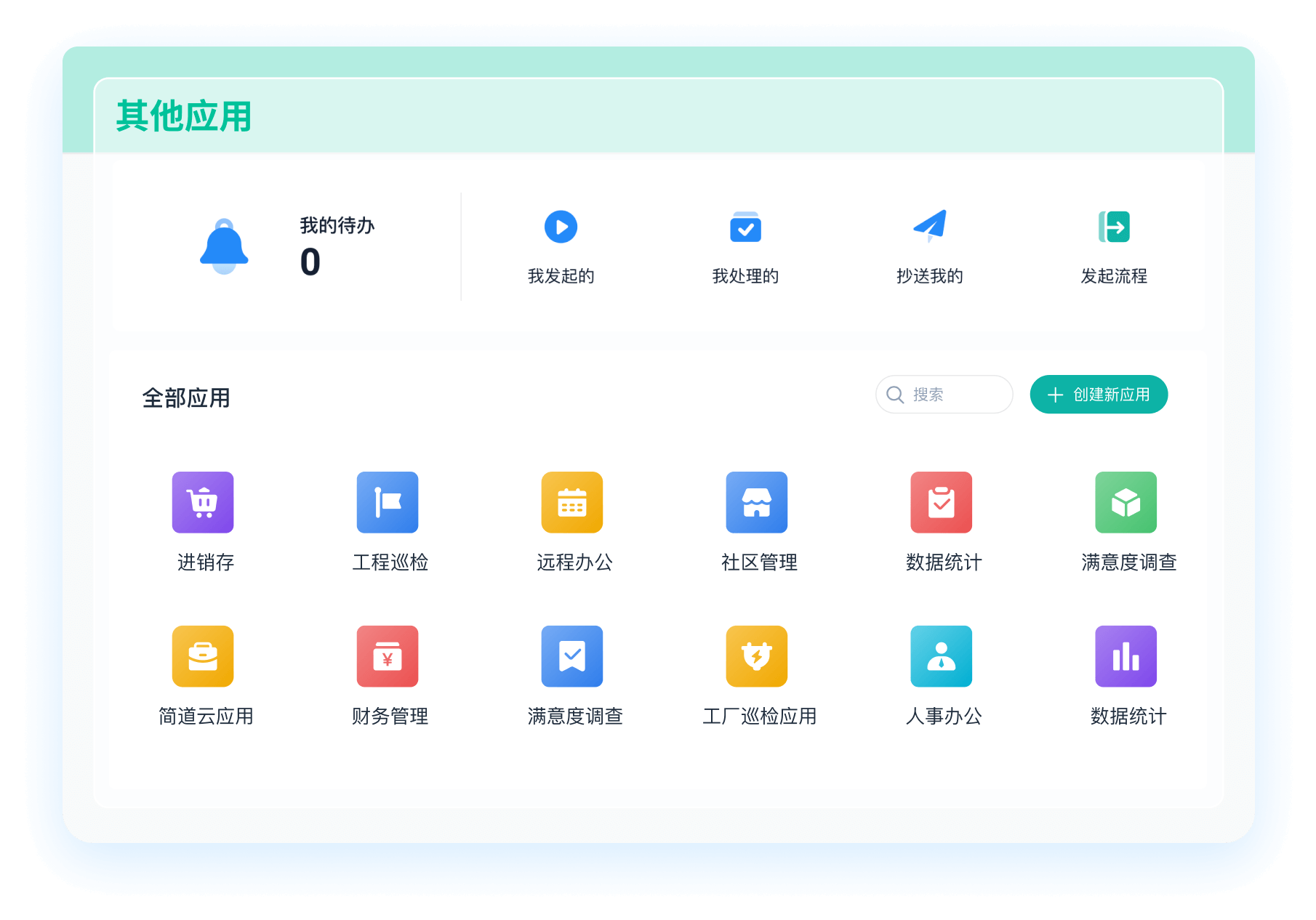
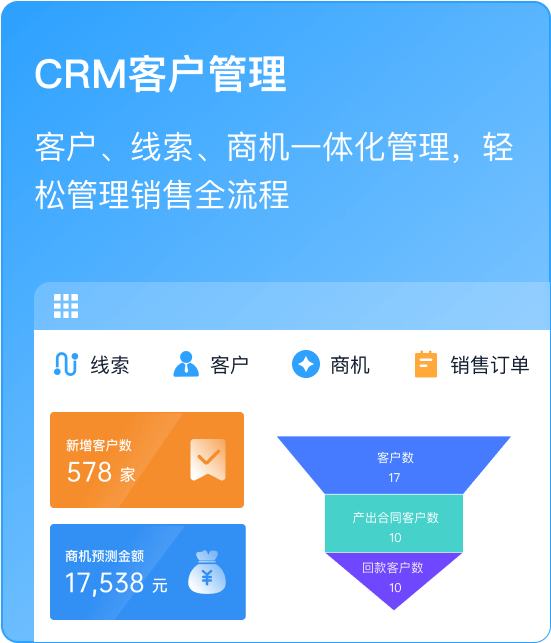
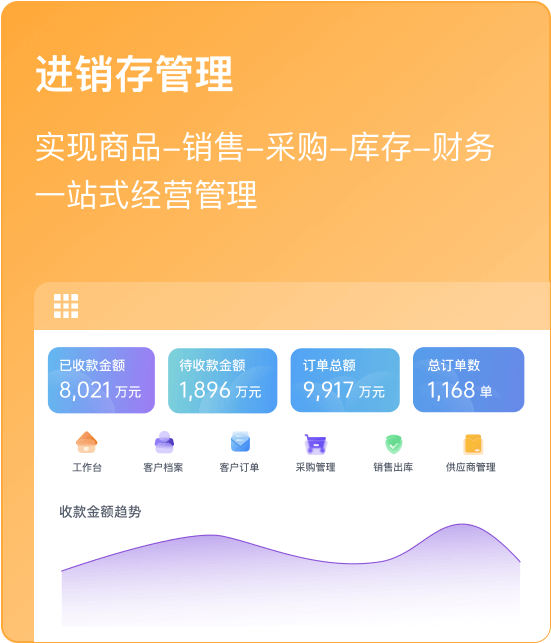
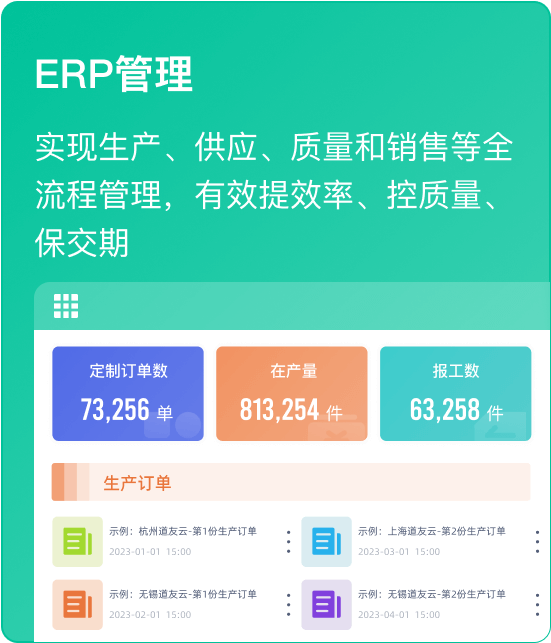
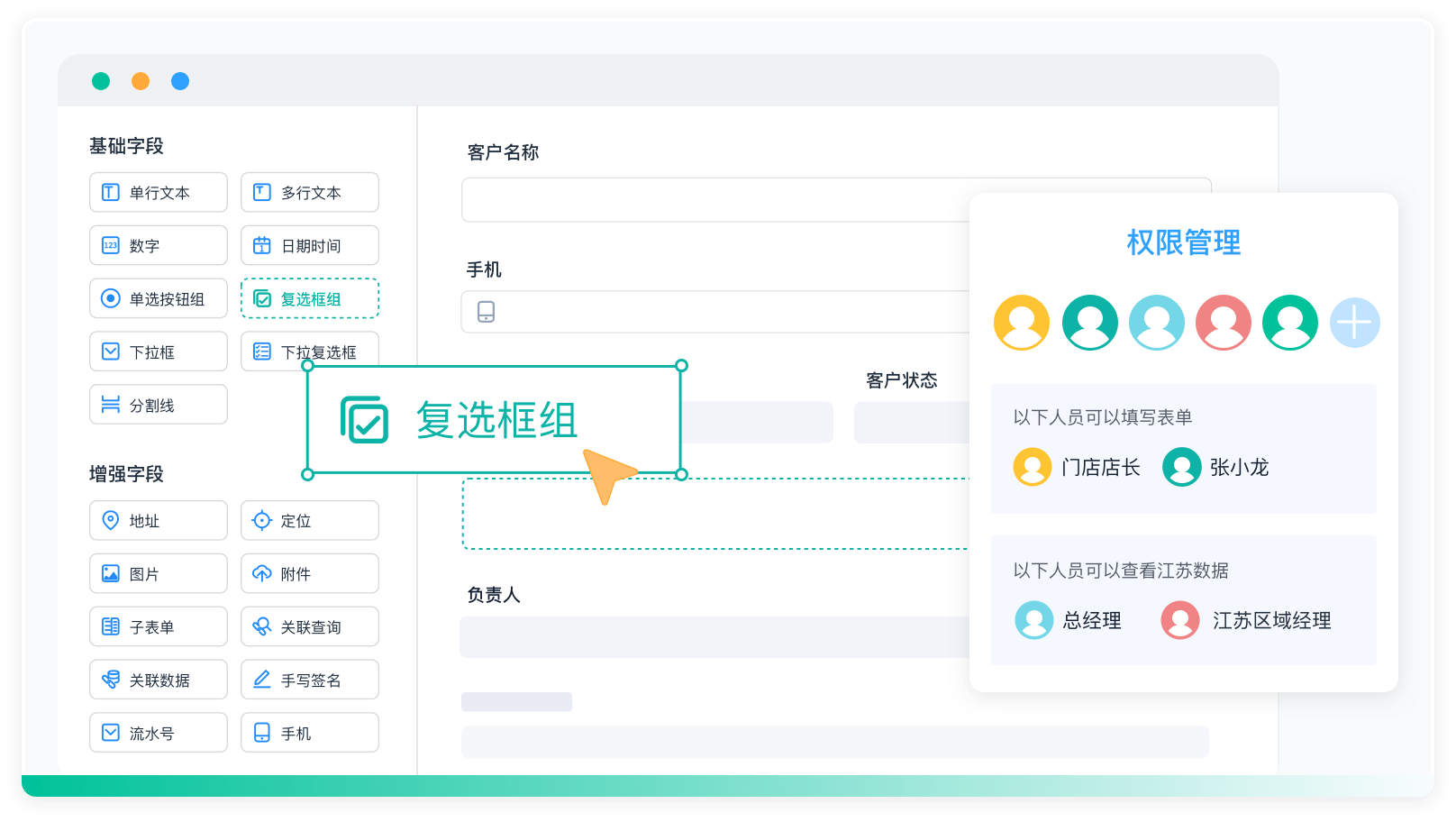
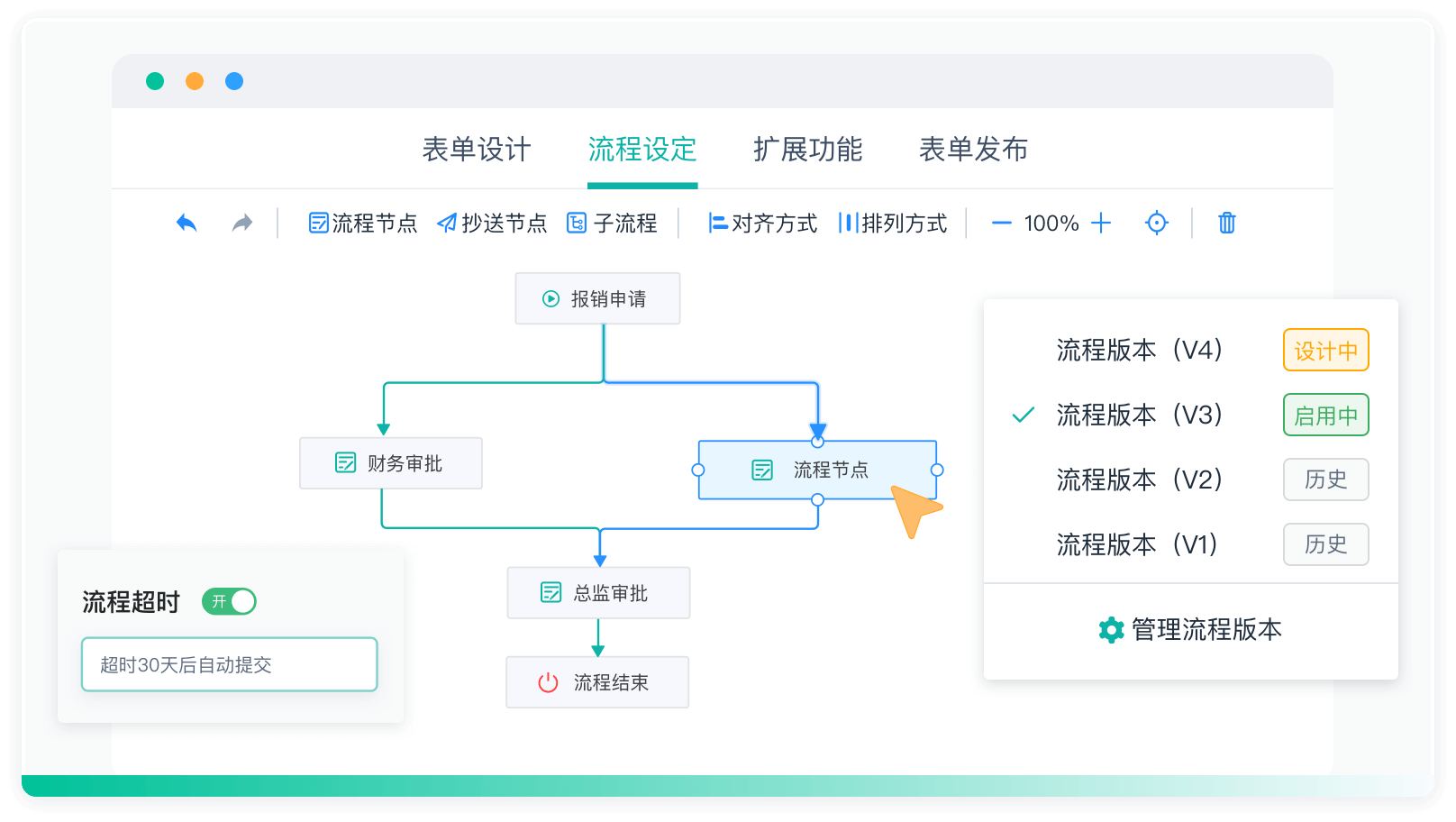
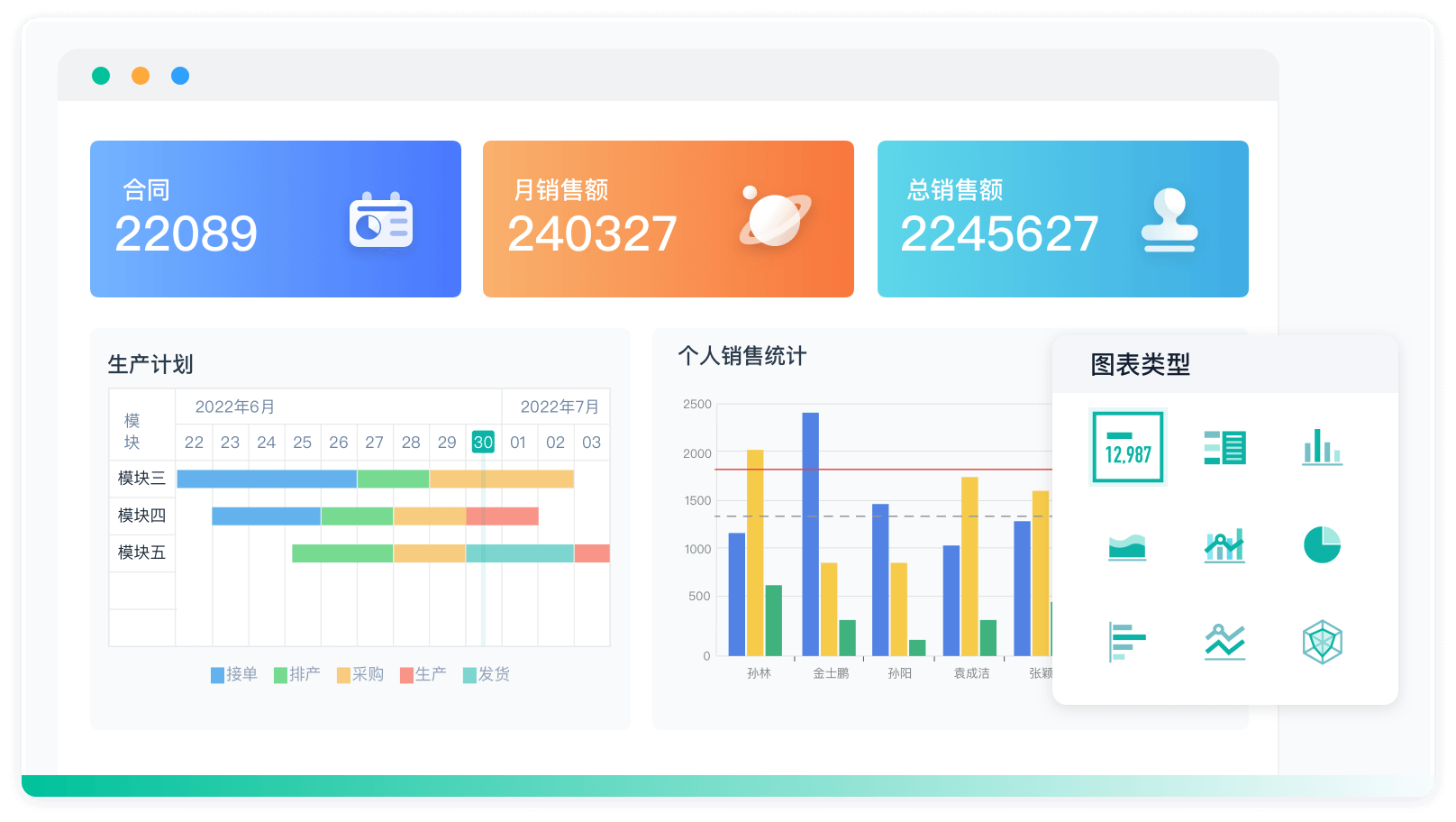
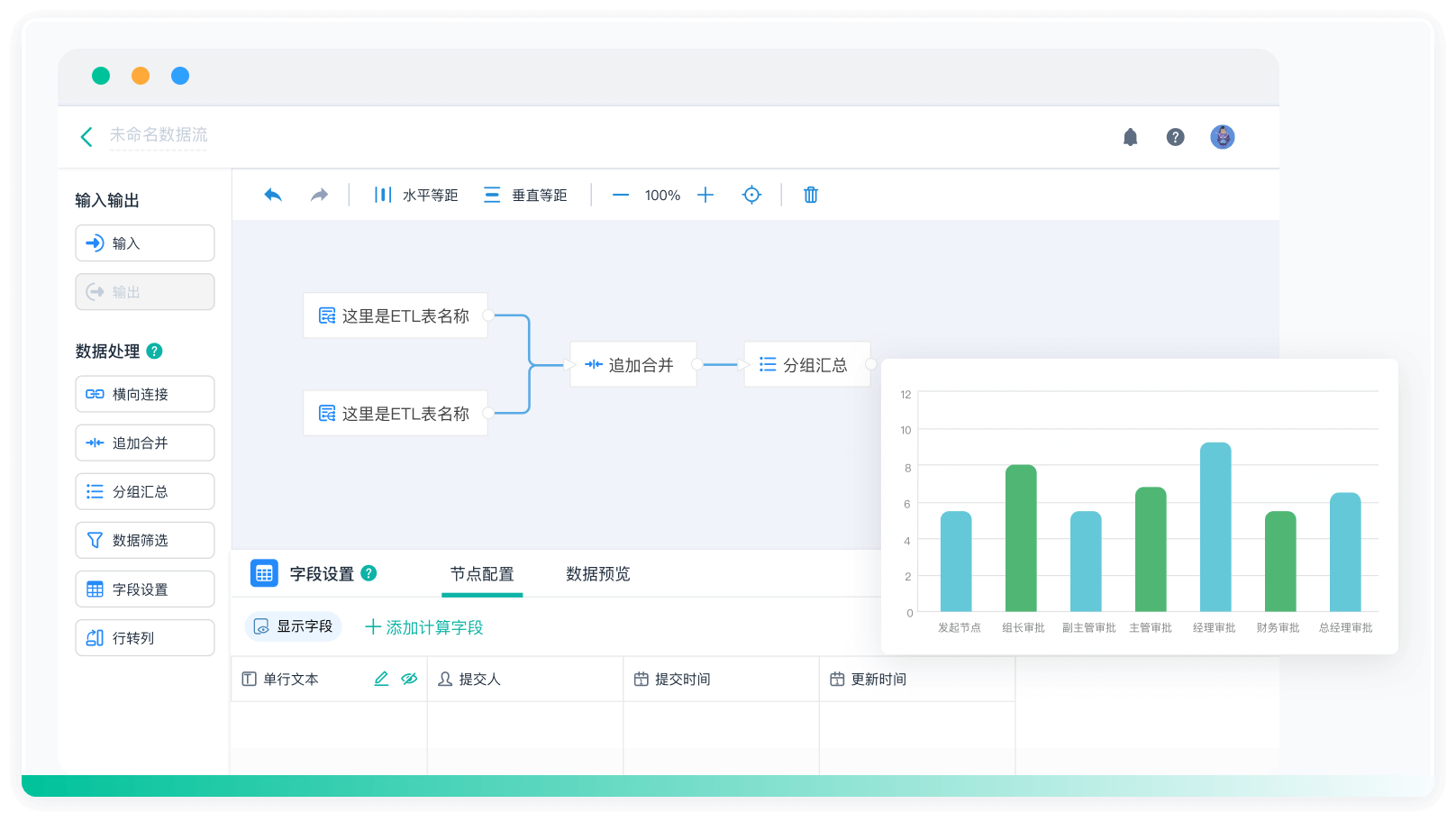
推荐一个好用的零代码开发平台,5分钟即可搭建一个管理软件:
地址: https://s.fanruan.com/x6aj1;
100+企业管理系统模板免费使用>>>无需下载,在线安装:
地址: https://s.fanruan.com/7wtn5;



























































 《零代码开发知识图谱》
 《零代码
新动能》案例集
《零代码
新动能》案例集
 《企业零代码系统搭建指南》