
 阅读时间:7 分钟
  浏览量:1106次


A data center equipment management system is essential for ensuring the efficient operation, security, and maintenance of data center assets. Real-time monitoring, centralized control, enhanced security, automated maintenance are crucial benefits. Centralized control allows administrators to manage all equipment from a single interface, making it easier to implement policies, track performance, and respond to issues quickly. This capability reduces the risk of human error, ensures consistent configurations across devices, and simplifies the management process, leading to improved operational efficiency and reliability.
一、REAL-TIME MONITORING
Real-time monitoring is a key feature of a data center equipment management system. It involves continuously tracking the performance and status of all equipment within the data center. This feature provides immediate feedback on the operational state of the hardware, allowing administrators to detect anomalies, predict failures, and take preemptive actions to mitigate risks. Real-time monitoring often includes the use of sensors and software agents that report data such as temperature, humidity, power consumption, and equipment health. By analyzing this data, the system can generate alerts for abnormal conditions, thereby minimizing downtime and preventing potential damage to the infrastructure.
二、CENTRALIZED CONTROL
Centralized control in a data center equipment management system refers to the ability to manage and configure all devices from a single, unified interface. This feature is vital for ensuring consistency in device settings, applying updates or patches uniformly, and implementing security policies across the entire data center. Centralized control simplifies the management process by reducing the need to access each device individually, which can be time-consuming and error-prone. With a centralized approach, administrators can quickly deploy changes, monitor system-wide performance, and ensure compliance with organizational standards. This consolidation leads to increased efficiency, reduced operational costs, and enhanced overall system reliability.
三、ENHANCED SECURITY
Enhanced security is a critical component of any data center equipment management system. As data centers house sensitive information and critical applications, protecting this environment from cyber threats and unauthorized access is paramount. The management system should include features such as access control, encryption, network segmentation, and comprehensive logging. Access control ensures that only authorized personnel can make changes to the system, while encryption protects data both in transit and at rest. Network segmentation limits the spread of potential breaches by isolating different segments of the network. Detailed logging provides a record of all activities, which is essential for auditing and forensic analysis in case of a security incident. By incorporating these security measures, the system helps safeguard the integrity, confidentiality, and availability of data center resources.
四、AUTOMATED MAINTENANCE
Automated maintenance is designed to streamline routine tasks and reduce the manual effort required to keep the data center running smoothly. This feature includes automated updates, backups, diagnostics, and corrective actions. Automated updates ensure that all devices run the latest software versions, including security patches and performance improvements, without the need for manual intervention. Automated backups protect data by regularly copying it to secure storage locations, ensuring that it can be restored quickly in case of a failure. Diagnostic tools automatically check for signs of hardware or software issues, generating reports and recommending corrective actions. These automated processes not only save time but also reduce the likelihood of human error, leading to a more resilient and efficient data center operation.
五、ASSET TRACKING
Asset tracking involves keeping a detailed inventory of all equipment within the data center, including servers, storage devices, network equipment, and other critical components. This feature provides visibility into the location, status, and lifecycle of each asset, helping administrators manage resources more effectively. Asset tracking systems often use barcodes, RFID tags, or other identification methods to monitor equipment. By maintaining an up-to-date inventory, the management system can alert administrators when equipment needs maintenance, is nearing the end of its lifecycle, or is underutilized. This information is invaluable for budgeting, capacity planning, and ensuring that the data center operates at peak efficiency.
六、PERFORMANCE OPTIMIZATION
Performance optimization features help ensure that the data center operates at maximum efficiency. This includes load balancing, resource allocation, and capacity planning. Load balancing distributes workloads evenly across servers to prevent any single device from becoming a bottleneck. Resource allocation ensures that each application or service has the necessary resources to perform optimally, adjusting dynamically based on demand. Capacity planning tools analyze current usage trends and predict future needs, enabling administrators to plan for expansions or upgrades before performance issues arise. By optimizing performance, the data center can handle more workloads with existing resources, improving overall efficiency and reducing operational costs.
七、ENERGY MANAGEMENT
Energy management is critical for reducing operational costs and minimizing the environmental impact of data centers. The management system should monitor power consumption across all devices, identify inefficiencies, and suggest ways to reduce energy usage. Techniques such as dynamic power scaling, which adjusts the power consumption of devices based on their current workload, can significantly lower energy usage. Additionally, the system can optimize cooling by adjusting the data center's HVAC settings based on real-time temperature and humidity data. Implementing these energy management strategies not only cuts costs but also supports sustainability initiatives by reducing the carbon footprint of the data center.
八、DISASTER RECOVERY
Disaster recovery features ensure that the data center can quickly recover from unexpected events such as natural disasters, power outages, or cyber-attacks. This includes automated backup solutions, replication of critical data to offsite locations, and predefined recovery plans. Automated backup solutions regularly copy data to secure locations, ensuring that it can be restored quickly in case of data loss. Data replication involves creating copies of critical information in geographically diverse locations, providing redundancy and enhancing resilience. Predefined recovery plans outline the steps to be taken during a disaster, including failover procedures, communication protocols, and resource allocation. By having robust disaster recovery mechanisms in place, the data center can minimize downtime and ensure business continuity even in adverse situations.
九、COMPLIANCE AND REPORTING
Compliance and reporting features help ensure that the data center adheres to industry standards and regulatory requirements. This includes generating reports on system performance, security incidents, and compliance status. These reports are essential for audits, providing evidence that the data center operates within the required guidelines. The management system should support various compliance frameworks such as ISO/IEC 27001, HIPAA, and GDPR, among others. By maintaining compliance, the data center can avoid legal penalties, protect its reputation, and ensure that it meets the expectations of clients and stakeholders. Detailed reporting also aids in identifying areas for improvement and tracking the effectiveness of implemented policies and procedures.
十、USER-FRIENDLY INTERFACE
A user-friendly interface is crucial for the effective management of data center equipment. The management system should feature an intuitive, easy-to-navigate interface that allows administrators to quickly access necessary information and perform tasks without extensive training. This includes dashboards that provide a comprehensive overview of the data center's status, customizable views to focus on specific areas of interest, and streamlined workflows for common tasks. A well-designed interface reduces the learning curve, minimizes errors, and increases productivity by enabling administrators to manage the data center more efficiently. Additionally, mobile-friendly interfaces ensure that administrators can monitor and control the data center from anywhere, providing flexibility and responsiveness in managing critical infrastructure.
In summary, a data center equipment management system offers significant benefits through real-time monitoring, centralized control, enhanced security, automated maintenance, asset tracking, performance optimization, energy management, disaster recovery, compliance and reporting, and a user-friendly interface. These features collectively enhance the efficiency, reliability, and security of data center operations, making them indispensable tools for modern data center management.
相关问答FAQs:
FAQs关于机房设备管理系统英文
1. 什么是机房设备管理系统?
机房设备管理系统是一种专门用于管理和监控数据中心或机房内各种设备的软件工具。它帮助企业确保设备的正常运行,管理设备的维护和保养记录,并监测设备的性能和状态。通过集中化的管理平台,用户可以实时获取设备信息,优化资源配置,并降低设备故障率。这种系统通常包括资产管理、故障监测、能耗管理和报告生成等功能,以确保机房的高效与安全。
2. 机房设备管理系统的主要功能有哪些?
机房设备管理系统的功能多种多样,主要包括以下几个方面:
- 资产管理:记录所有设备的详细信息,包括品牌、型号、购买日期、保修期等,方便日后查询和管理。
- 维护管理:跟踪设备的维护和保养记录,确保所有设备都在最佳状态下运行,减少故障和停机时间。
- 监控与报警:实时监测设备的性能和状态,一旦出现故障或异常情况,系统会立即发送警报,以便及时处理。
- 能耗管理:分析设备的能耗数据,帮助企业优化能耗,降低运行成本。
- 报告生成:定期生成设备运行报告,帮助管理层了解设备使用情况和维护需求,从而做出更有效的决策。
3. 企业如何选择合适的机房设备管理系统?
选择合适的机房设备管理系统需要考虑多个因素:
- 功能需求:根据企业的具体需求,选择具有相应功能的系统,例如资产管理、故障监控和能耗管理等。
- 易用性:系统的界面和操作流程应简单易懂,方便员工快速上手,减少培训时间。
- 兼容性:确保系统能够与现有的硬件和软件环境兼容,避免因系统不兼容而导致的额外成本。
- 技术支持:选择提供良好技术支持和服务的供应商,以便在使用过程中遇到问题时能够及时解决。
- 成本效益:综合考虑系统的购买和维护成本,确保其性价比高,能够为企业带来实际的效益。
机房设备管理系统在企业的设备管理中起着至关重要的作用,通过合理的选择和使用,可以大大提升设备管理的效率和安全性。
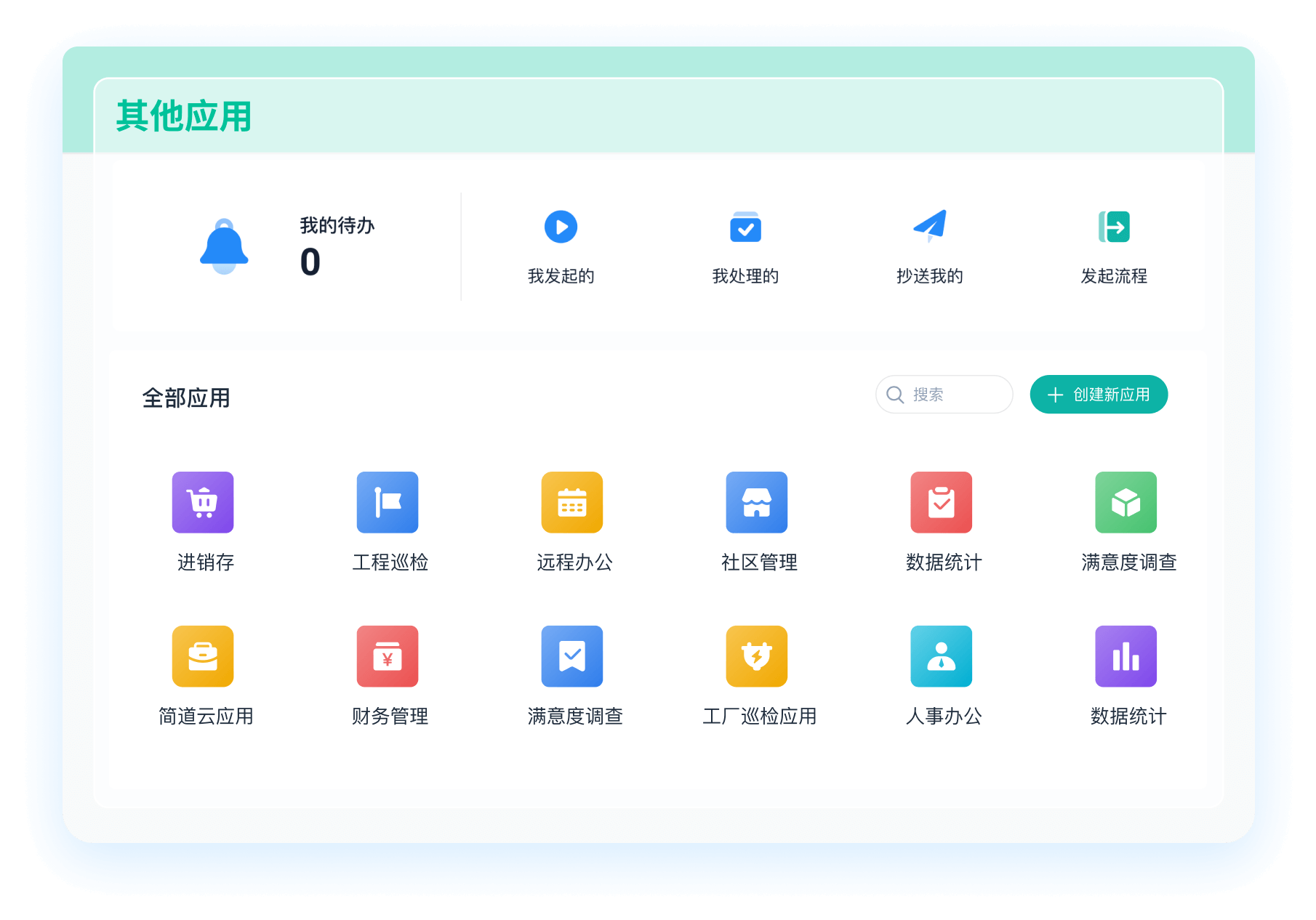
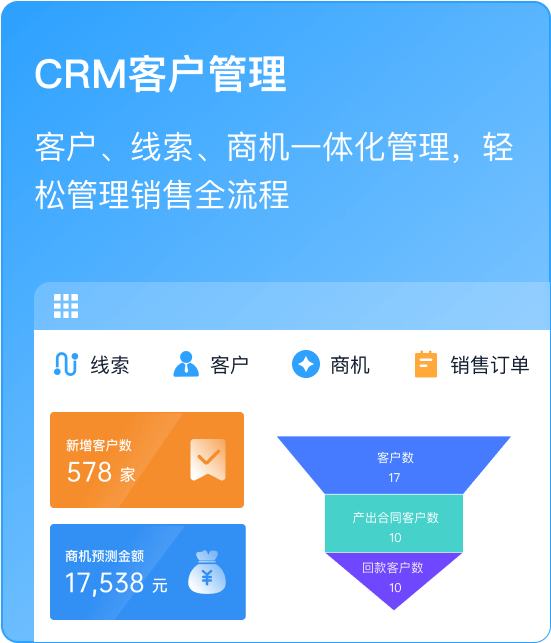
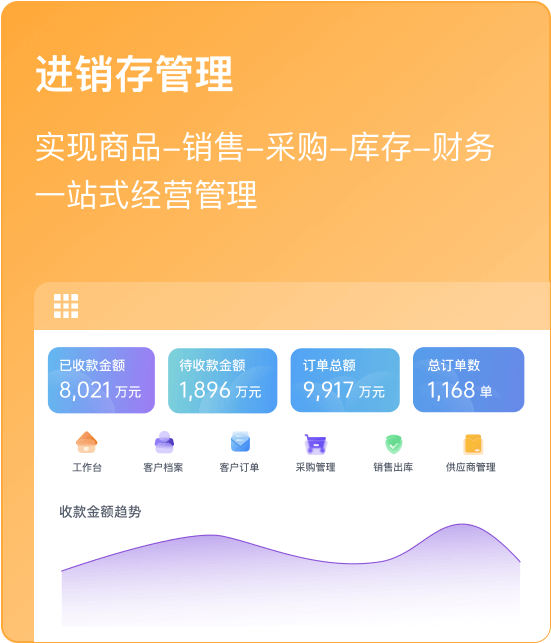
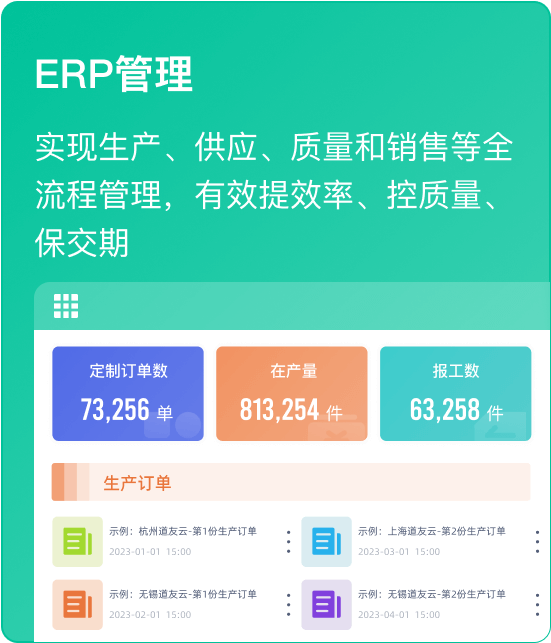
推荐一个好用的零代码开发平台,5分钟即可搭建一个管理软件:
地址: https://s.fanruan.com/x6aj1;
100+企业管理系统模板免费使用>>>无需下载,在线安装:
地址: https://s.fanruan.com/7wtn5;






























































 《零代码开发知识图谱》
 《零代码
新动能》案例集
《零代码
新动能》案例集
 《企业零代码系统搭建指南》