
 阅读时间:9 分钟
  浏览量:4620次


IoT Device Management Systems: Key Aspects and Implementation Strategies
IoT device management systems are essential for monitoring, securing, and maintaining connected devices, with key aspects including remote monitoring, firmware updates, security management, and data analytics. A robust management system ensures devices operate efficiently, stay secure from vulnerabilities, and deliver optimal performance. One crucial aspect is security management, where the system continuously monitors device activity, detects potential threats, and implements security patches. This proactive approach helps prevent data breaches and ensures compliance with industry regulations, thereby safeguarding sensitive information and maintaining user trust.
I、REMOTE MONITORING
Remote monitoring allows administrators to oversee device performance, status, and health from a central location. This capability is crucial in IoT systems, which often comprise vast numbers of devices spread across different locations. Real-time monitoring helps in early detection of anomalies, enabling timely intervention and reducing downtime. Administrators can use dashboards and alerts to track metrics such as connectivity, power usage, and operational efficiency. This centralized oversight is vital for maintaining system integrity and optimizing resource utilization.
II、FIRMWARE UPDATES
Firmware updates are a critical component of IoT device management. They ensure devices run the latest software, which can include new features, bug fixes, and security patches. Automated update processes help minimize disruptions and ensure consistency across the network. Managing firmware updates involves scheduling, deployment, and verification stages. Automated scheduling reduces the need for manual intervention, while deployment strategies, such as phased rollouts, help mitigate risks associated with widespread updates. Verification ensures the updates have been correctly installed and are functioning as intended.
III、SECURITY MANAGEMENT
Security is paramount in IoT ecosystems, where vulnerabilities can lead to significant risks. Security management encompasses several activities, including authentication, encryption, and anomaly detection. Device authentication ensures that only authorized devices can access the network, preventing unauthorized access. Encryption protects data during transmission, safeguarding it from interception. Anomaly detection systems use machine learning algorithms to identify unusual patterns of behavior, which could indicate security threats. Regular security audits and compliance checks are also essential to meet regulatory requirements and industry standards.
IV、DATA ANALYTICS
IoT devices generate vast amounts of data, which, when properly analyzed, can provide valuable insights. Data analytics in IoT device management involves collecting, processing, and analyzing data to inform decision-making. This process can improve operational efficiency, predict maintenance needs, and optimize resource allocation. Predictive maintenance, for instance, uses data analytics to forecast when a device might fail, allowing for preemptive repairs and reducing downtime. Additionally, data analytics can help identify trends and patterns, guiding the development of new products or services.
V、DEVICE LIFECYCLE MANAGEMENT
Managing the entire lifecycle of IoT devices, from deployment to decommissioning, is a comprehensive process known as device lifecycle management. This includes the initial provisioning of devices, ongoing management, and eventual decommissioning or replacement. Provisioning involves configuring devices for their specific roles, including setting up security credentials and network configurations. During the active phase, devices need regular monitoring and maintenance to ensure optimal performance. Decommissioning involves securely removing devices from the network and disposing of them in an environmentally responsible manner. This process also includes data sanitization to prevent unauthorized access to stored information.
VI、SCALABILITY AND FLEXIBILITY
As IoT networks grow, so does the need for scalable and flexible management solutions. Scalability refers to the system's ability to handle an increasing number of devices without compromising performance. Cloud-based solutions often offer scalability, as they can easily accommodate growth through additional resources. Flexibility in device management systems allows for the integration of different types of devices and technologies. This adaptability is crucial as new IoT devices and standards emerge, ensuring the management system can support a diverse and evolving ecosystem.
VII、INTEROPERABILITY AND STANDARDIZATION
Interoperability ensures that different IoT devices and systems can communicate and work together seamlessly. This is critical for creating a unified and efficient IoT environment. Standardization plays a key role in achieving interoperability, as it defines common protocols and interfaces. Organizations like the Internet Engineering Task Force (IETF) and Institute of Electrical and Electronics Engineers (IEEE) develop standards that promote compatibility between devices from different manufacturers. Adhering to these standards simplifies integration and enhances the reliability and security of IoT systems.
VIII、USER INTERFACES AND EXPERIENCE
The user interface (UI) and overall user experience (UX) of an IoT device management system significantly impact its effectiveness. Intuitive and user-friendly interfaces make it easier for administrators to monitor and control devices. Features such as customizable dashboards, detailed analytics, and comprehensive reporting tools enhance usability. User experience considerations include the accessibility of the system on different devices (such as smartphones and tablets) and the ease of navigating through different functionalities. A well-designed UI/UX can reduce the learning curve and improve the efficiency of device management tasks.
IX、INTEGRATION WITH OTHER SYSTEMS
IoT device management systems often need to integrate with other enterprise systems, such as customer relationship management (CRM), enterprise resource planning (ERP), and analytics platforms. These integrations enable a more holistic view of operations and enhance decision-making processes. For example, integrating with a CRM system can provide insights into customer behavior and preferences, while integration with ERP systems can streamline supply chain and inventory management. The ability to seamlessly integrate with existing systems adds value by leveraging data from multiple sources and providing a comprehensive overview of organizational operations.
X、FUTURE TRENDS AND DEVELOPMENTS
The landscape of IoT device management is continually evolving, with emerging technologies and trends shaping its future. Edge computing is one such trend, where data processing occurs closer to the data source rather than in a centralized cloud. This reduces latency and bandwidth usage, enhancing the real-time capabilities of IoT systems. Artificial intelligence (AI) and machine learning (ML) are also increasingly being integrated into device management systems, enabling more advanced analytics, predictive maintenance, and autonomous decision-making. As the IoT ecosystem grows, the need for more robust security frameworks and privacy regulations will continue to be a focal point, ensuring that innovations do not come at the cost of user safety and data protection.
相关问答FAQs:
FAQs关于物联网设备管理系统
1. 什么是物联网设备管理系统?
物联网设备管理系统是一个软件平台,用于监控、管理和优化连接的物联网设备。它提供了集中化的控制界面,允许用户实时查看设备状态、性能指标和异常警报。该系统通常包括设备注册、配置管理、固件更新、数据分析和故障排除等功能。通过集成云计算和大数据分析,物联网设备管理系统能够提高设备的安全性和效率,并降低运营成本。
2. 物联网设备管理系统的主要功能有哪些?
物联网设备管理系统的主要功能包括但不限于以下几点:
- 设备注册与配置:支持批量注册新设备,并进行初始配置和设定参数。
- 实时监控:用户可以实时查看设备的状态、性能指标和工作情况,及时发现并解决问题。
- 数据分析:系统能够收集和分析设备运行数据,帮助用户识别趋势、优化性能和预测故障。
- 固件和软件更新:支持远程更新设备的固件和软件,确保设备始终运行最新版本,以提高安全性和功能。
- 安全管理:提供设备身份验证、数据加密和访问控制等安全功能,以保护设备和数据的安全性。
- 故障诊断:当设备发生故障时,系统能够提供实时告警和故障诊断,帮助用户快速定位问题并进行修复。
3. 如何选择合适的物联网设备管理系统?
选择合适的物联网设备管理系统需要考虑多个因素:
- 功能需求:根据企业的具体需求,选择具备必要功能的系统,例如设备管理、数据分析、远程监控等。
- 可扩展性:随着企业的发展,设备数量可能会增加,选择一个支持可扩展性的系统能够满足未来的需求。
- 用户友好性:界面设计应简单易用,以便不同技术水平的用户都能快速上手。
- 安全性:确保系统具备强大的安全措施,以保护设备和数据免受网络攻击和数据泄露。
- 支持与维护:选择提供良好客户支持和定期维护更新的供应商,以确保系统的持续稳定运行。
- 成本效益:考虑系统的总拥有成本,包括购买成本、维护费用和潜在的升级费用,确保其在预算内提供最佳价值。
通过综合考虑这些因素,企业能够选择到最适合自身需求的物联网设备管理系统,提升管理效率和业务运营能力。
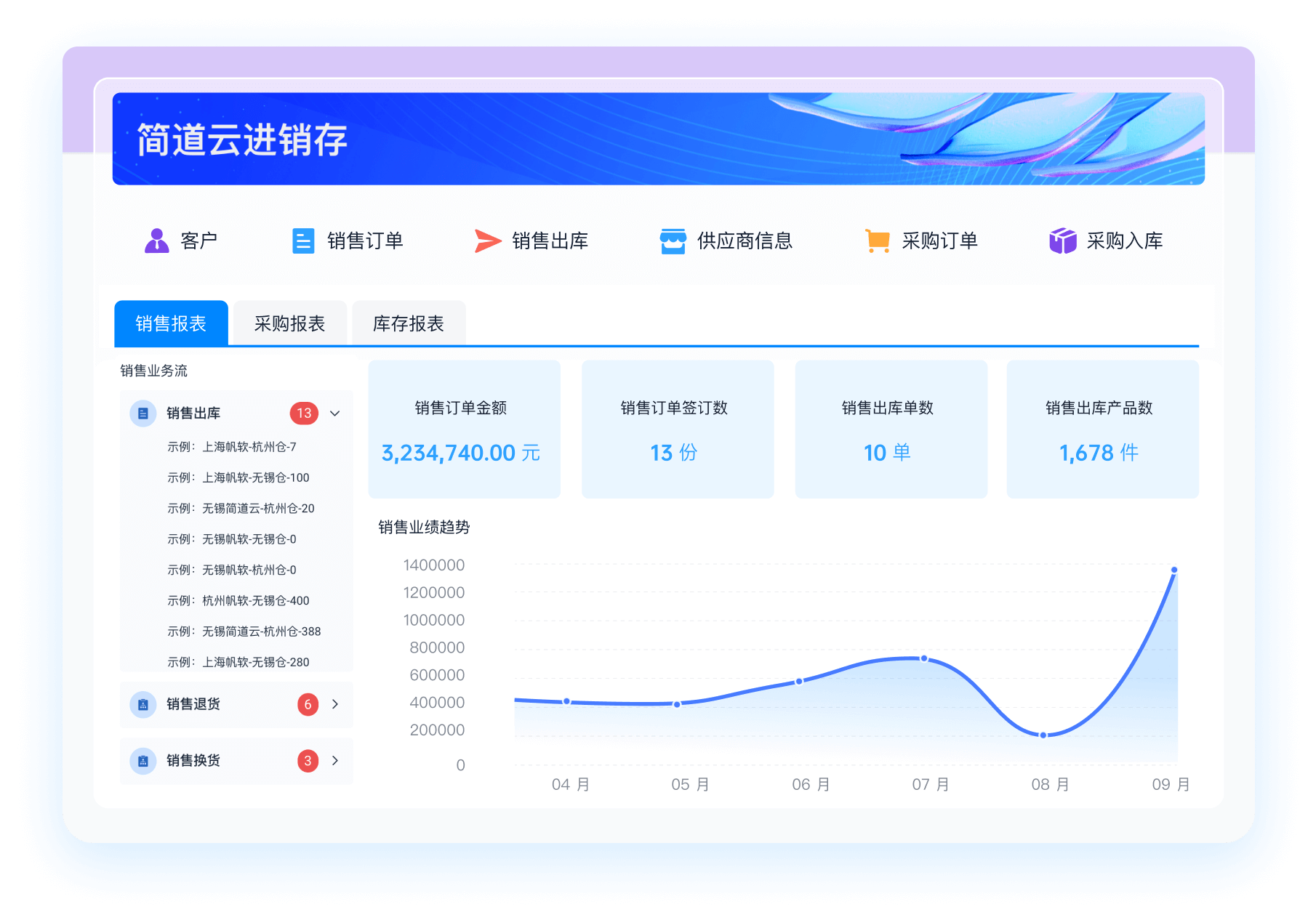
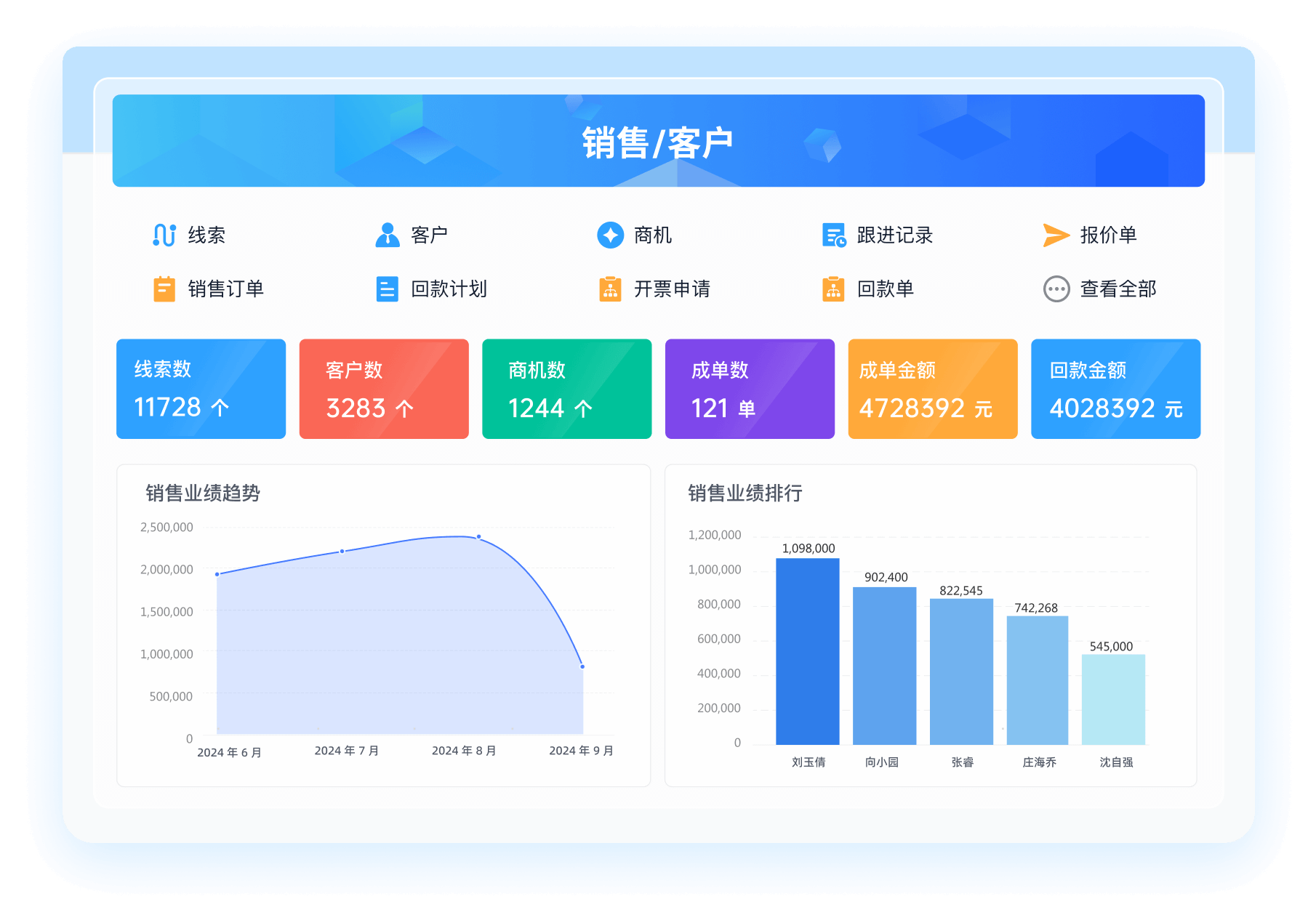
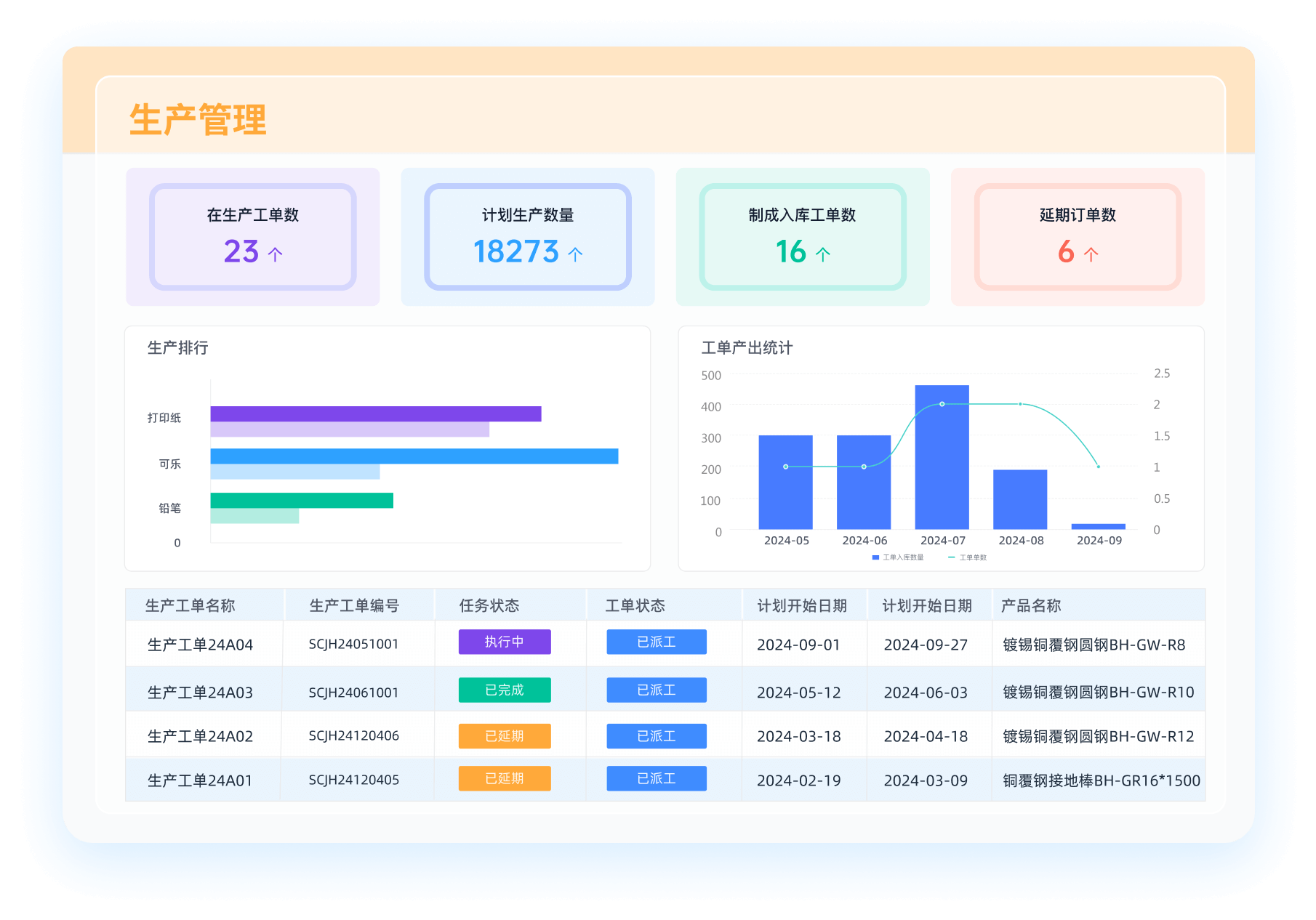
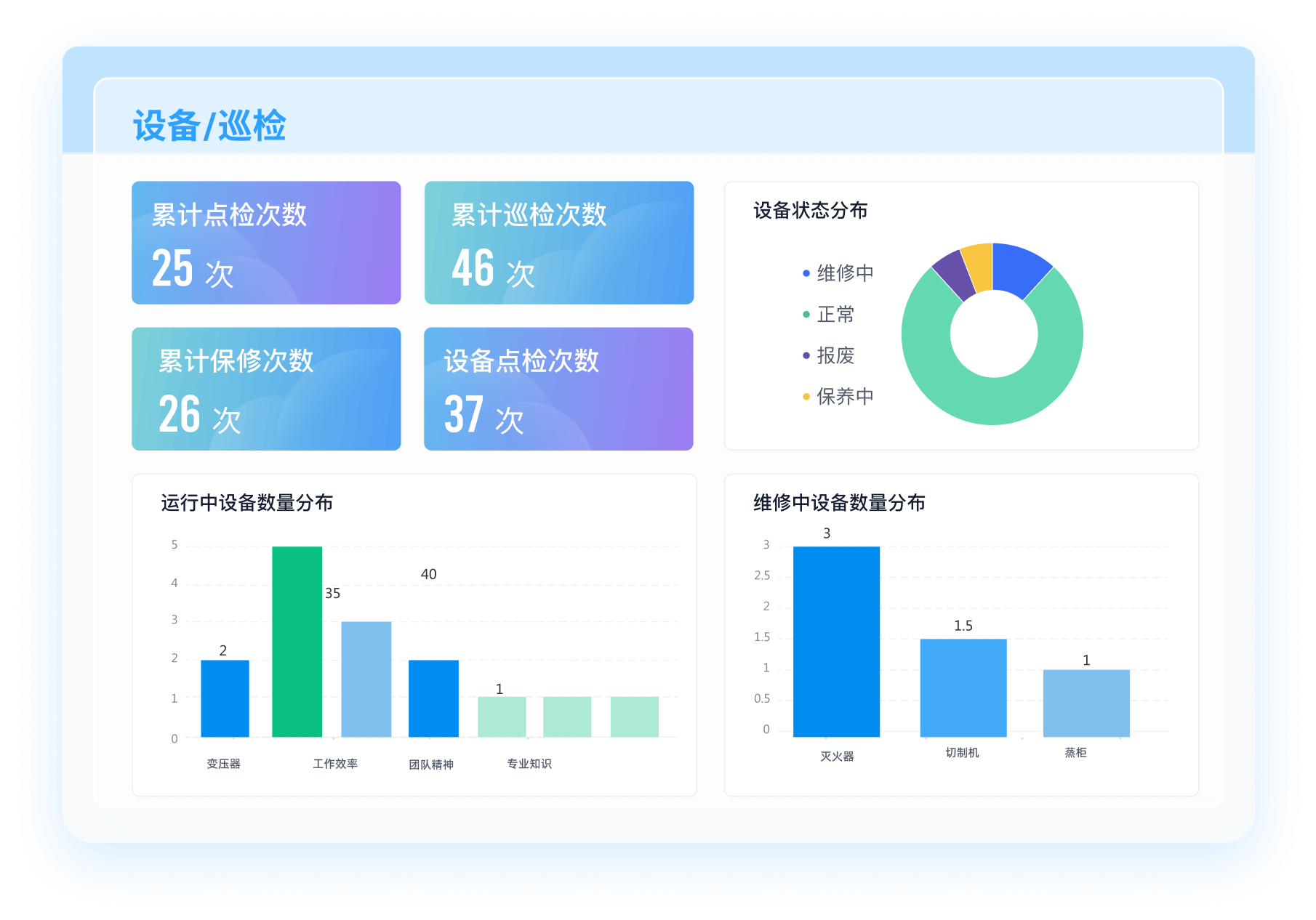
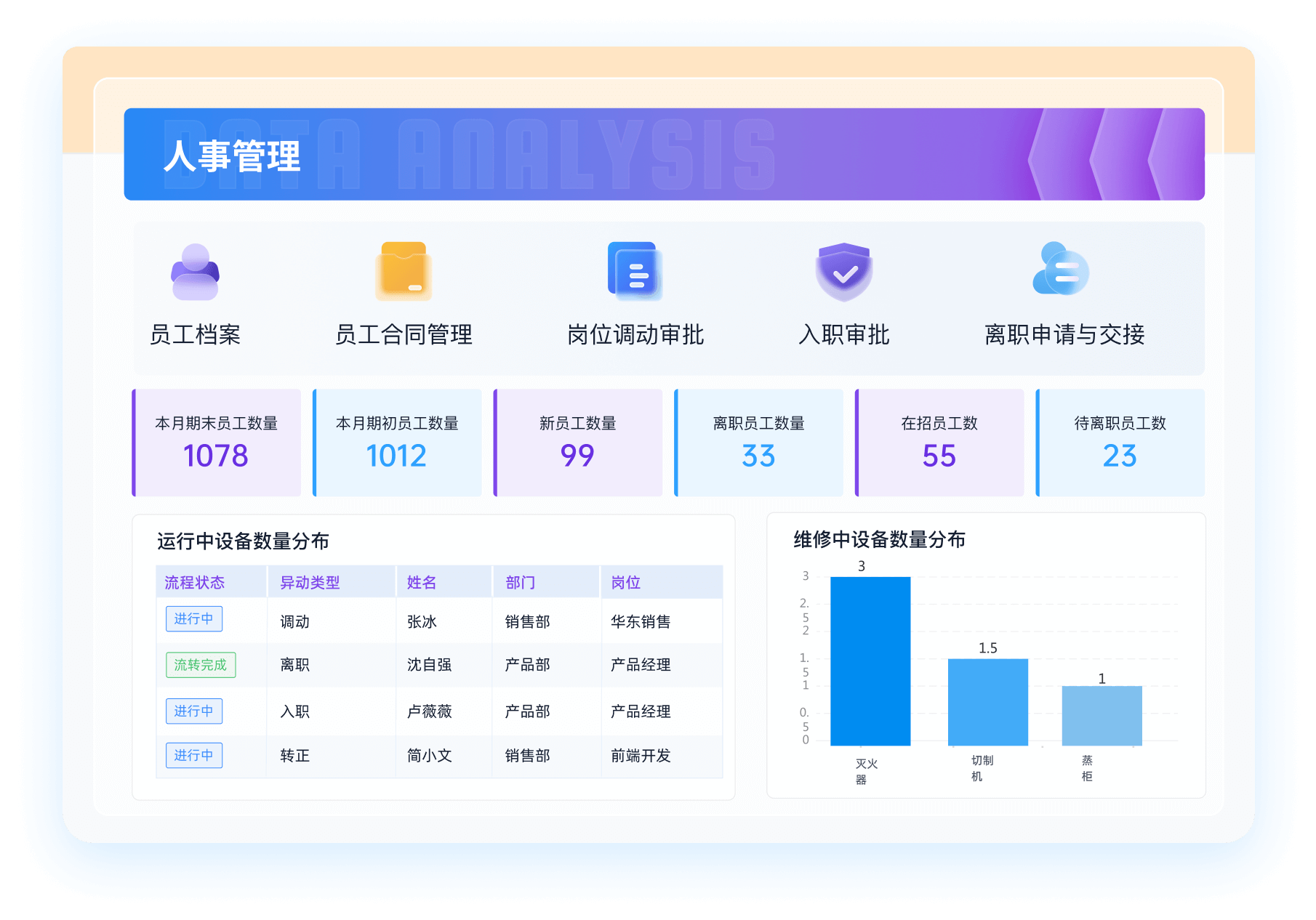
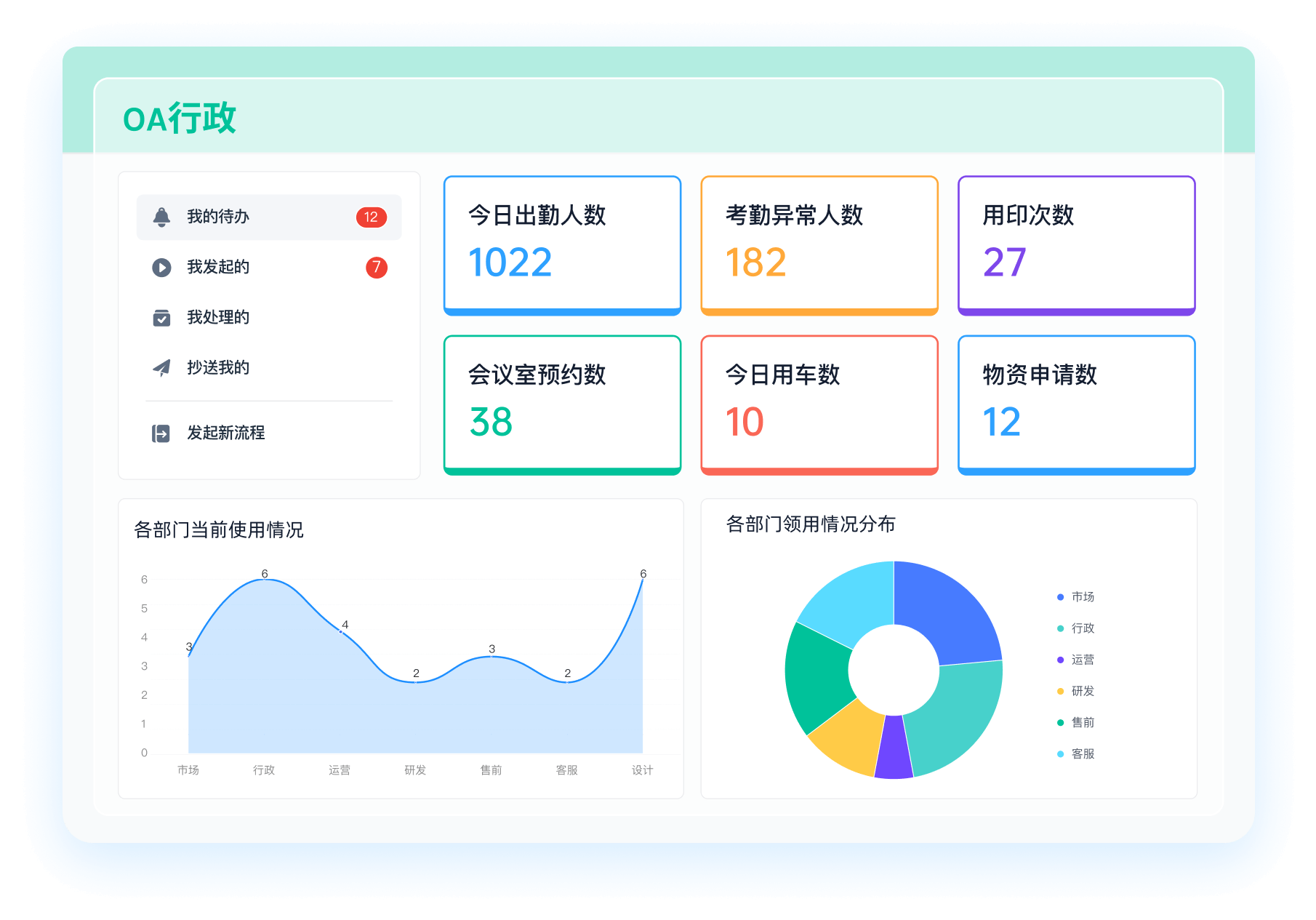
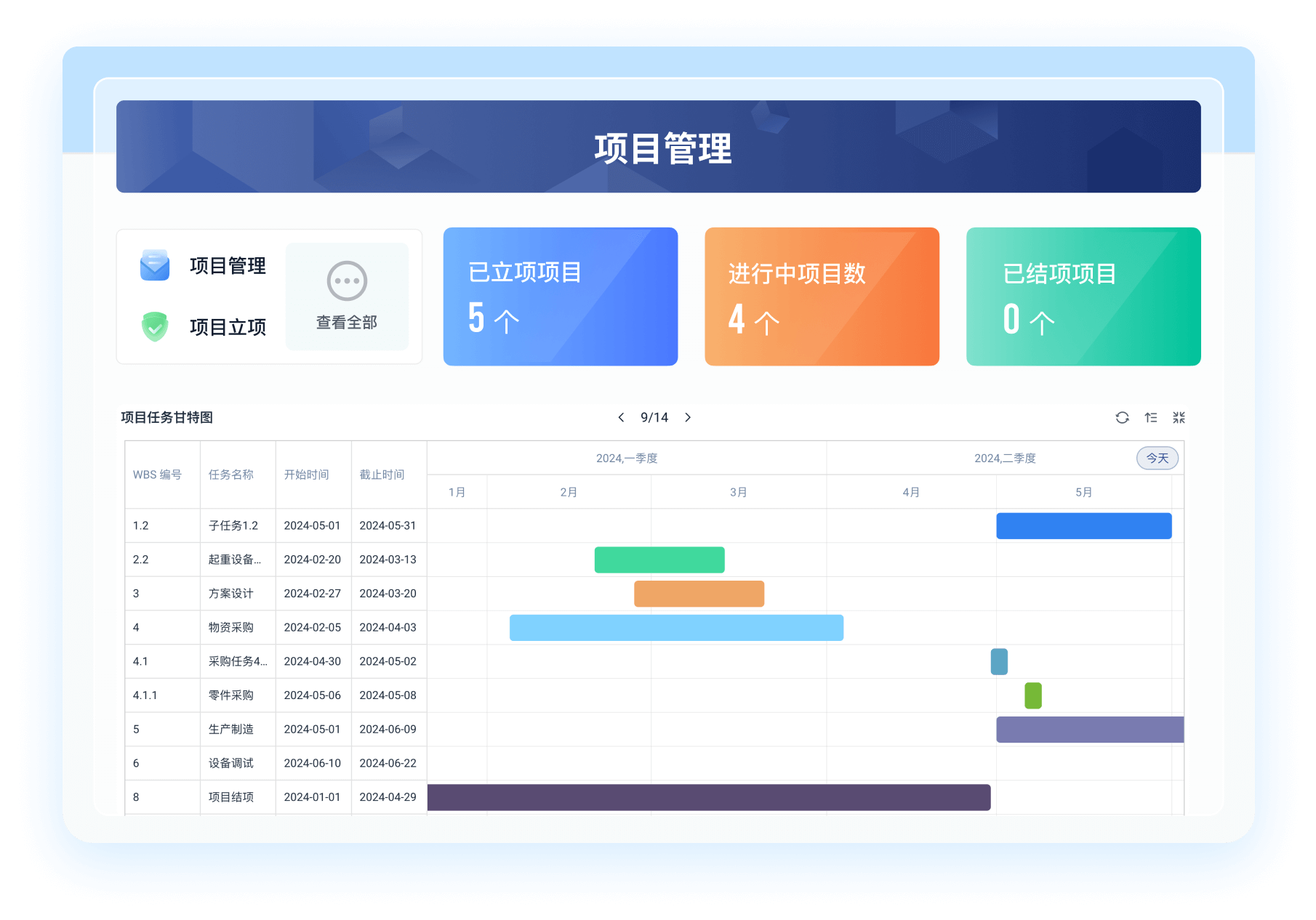
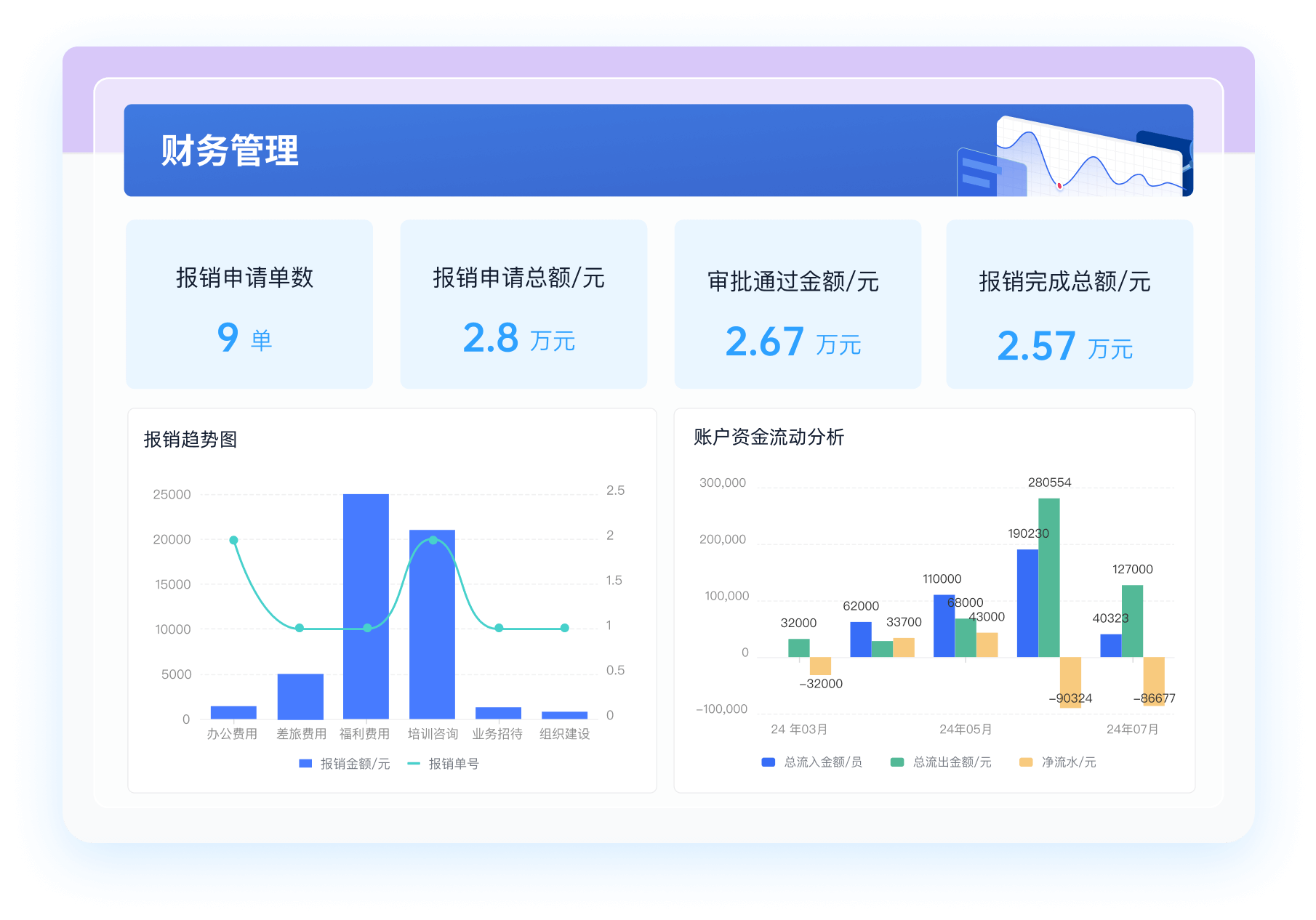
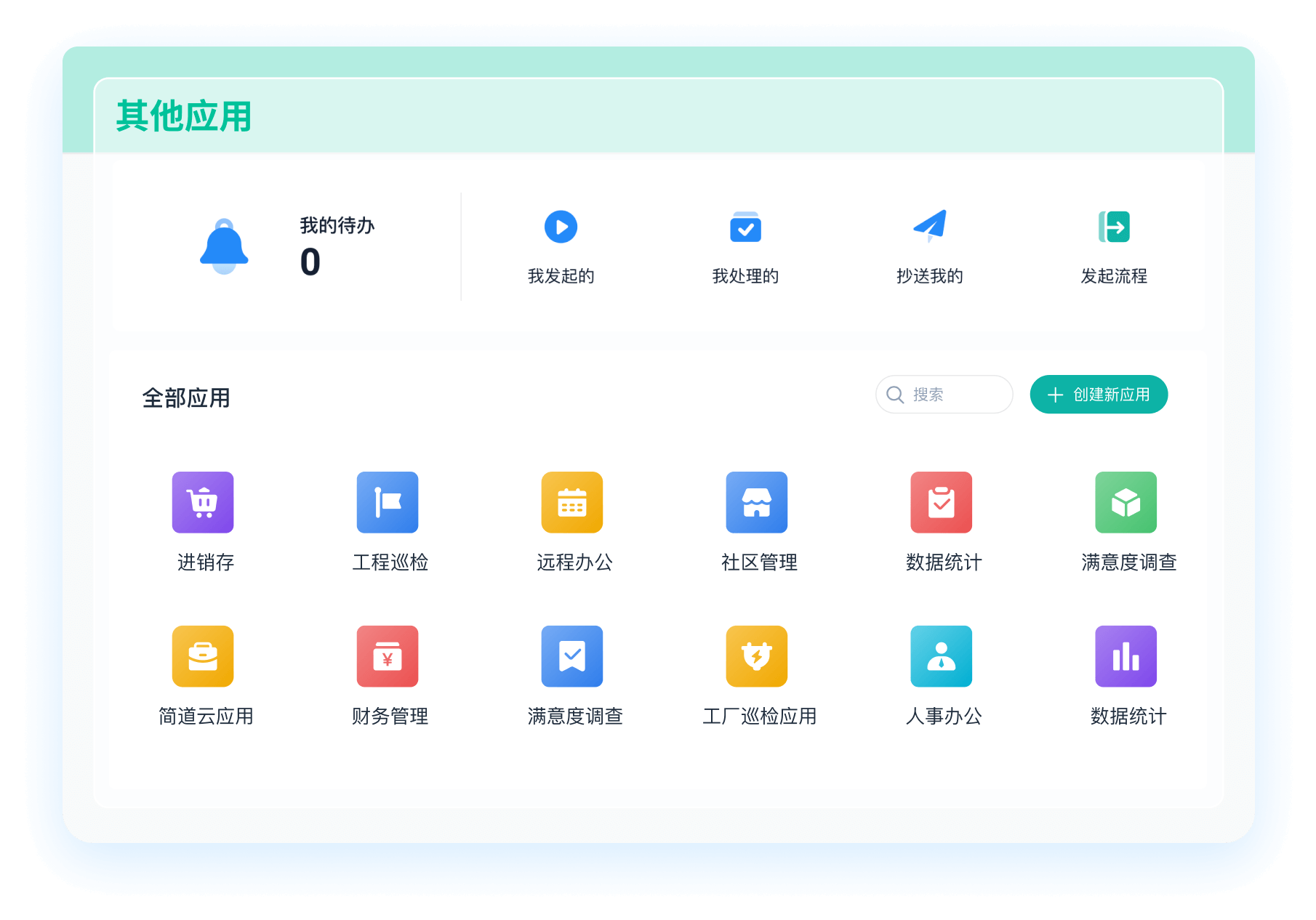
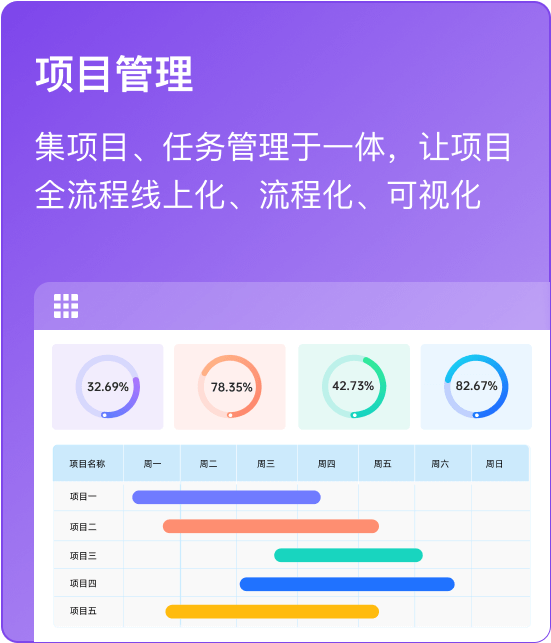
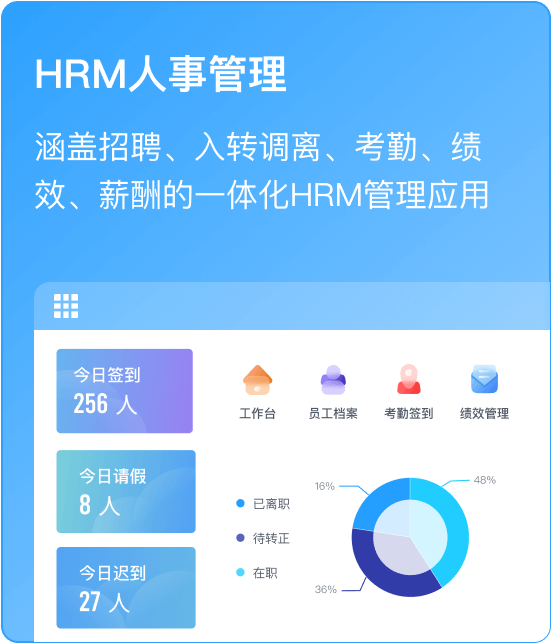
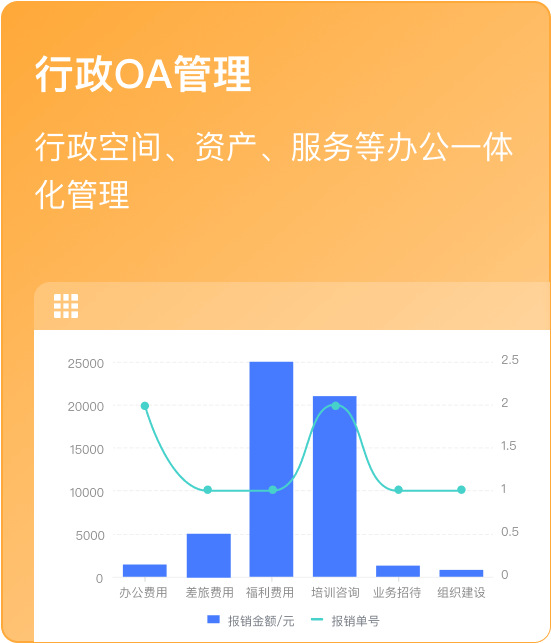
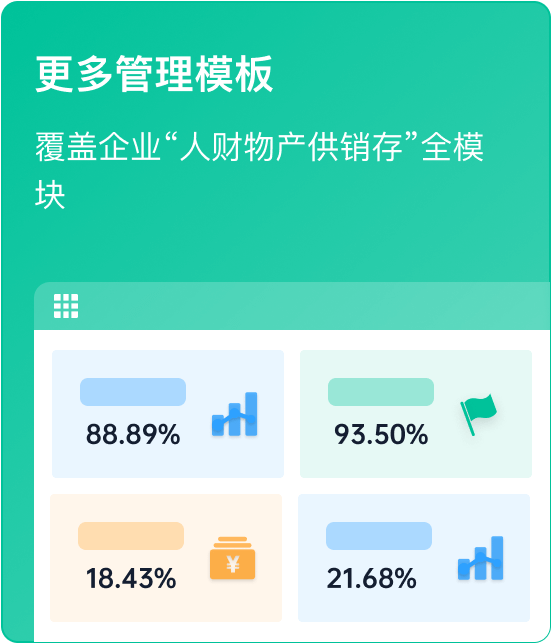
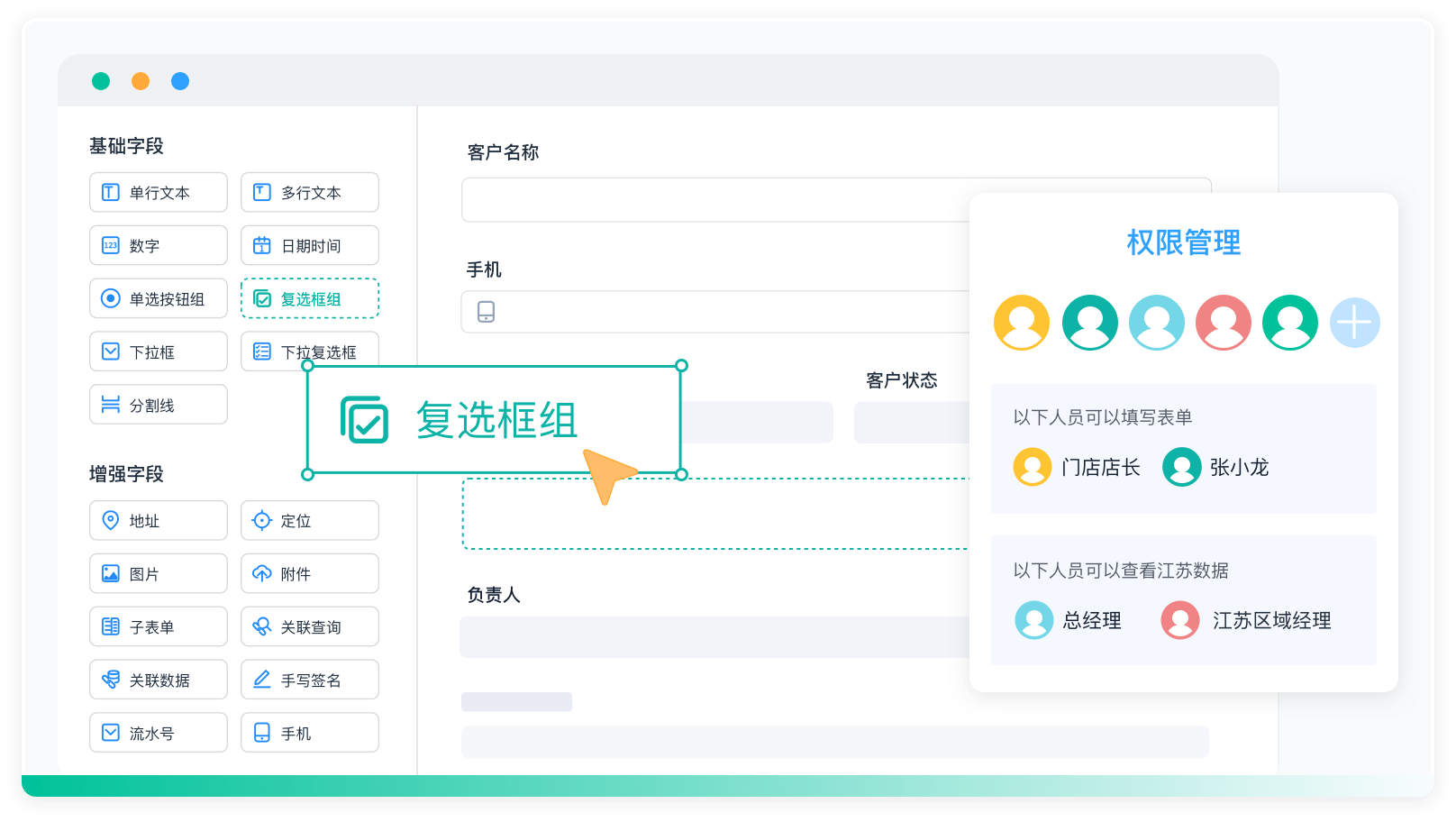
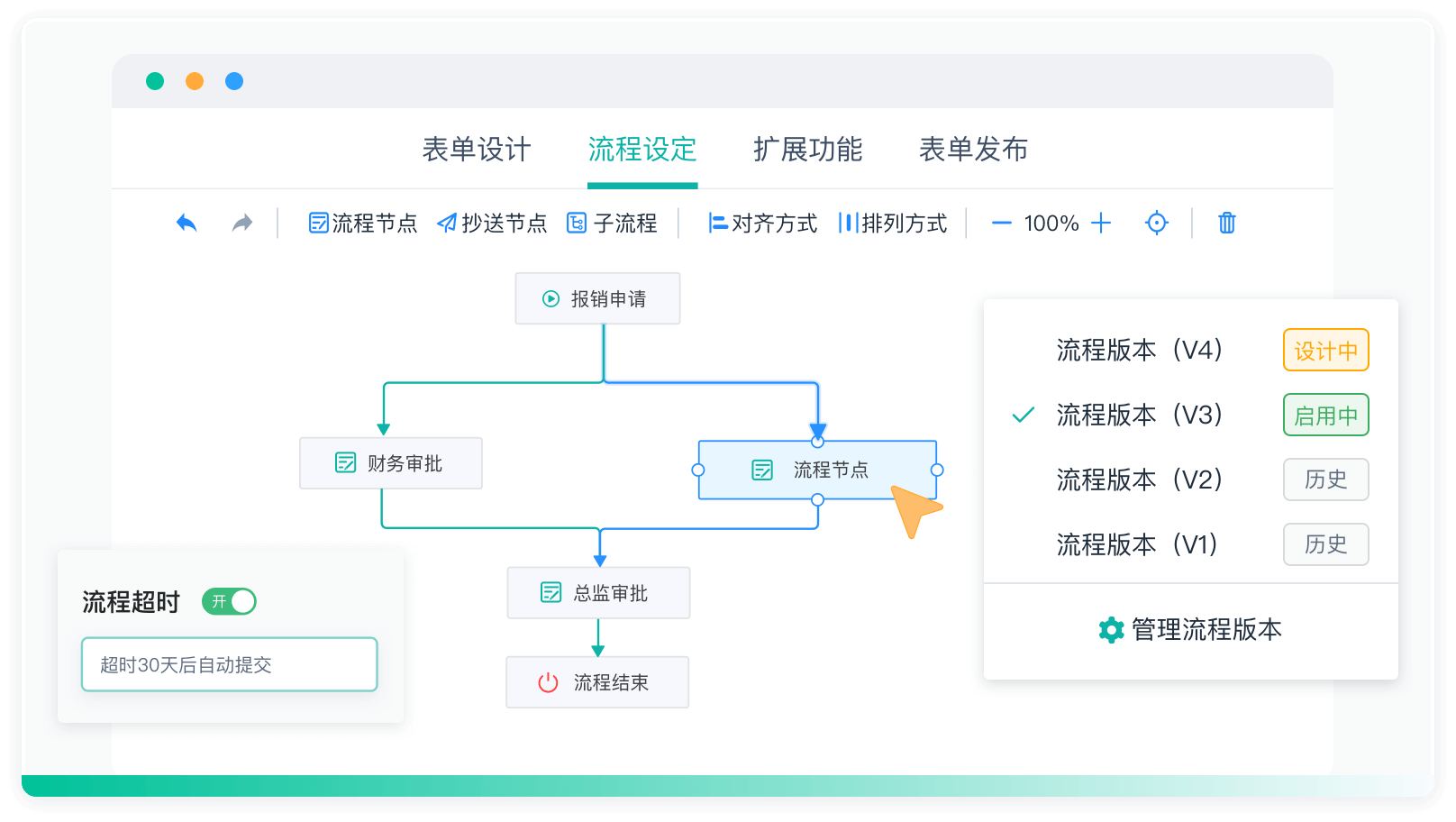
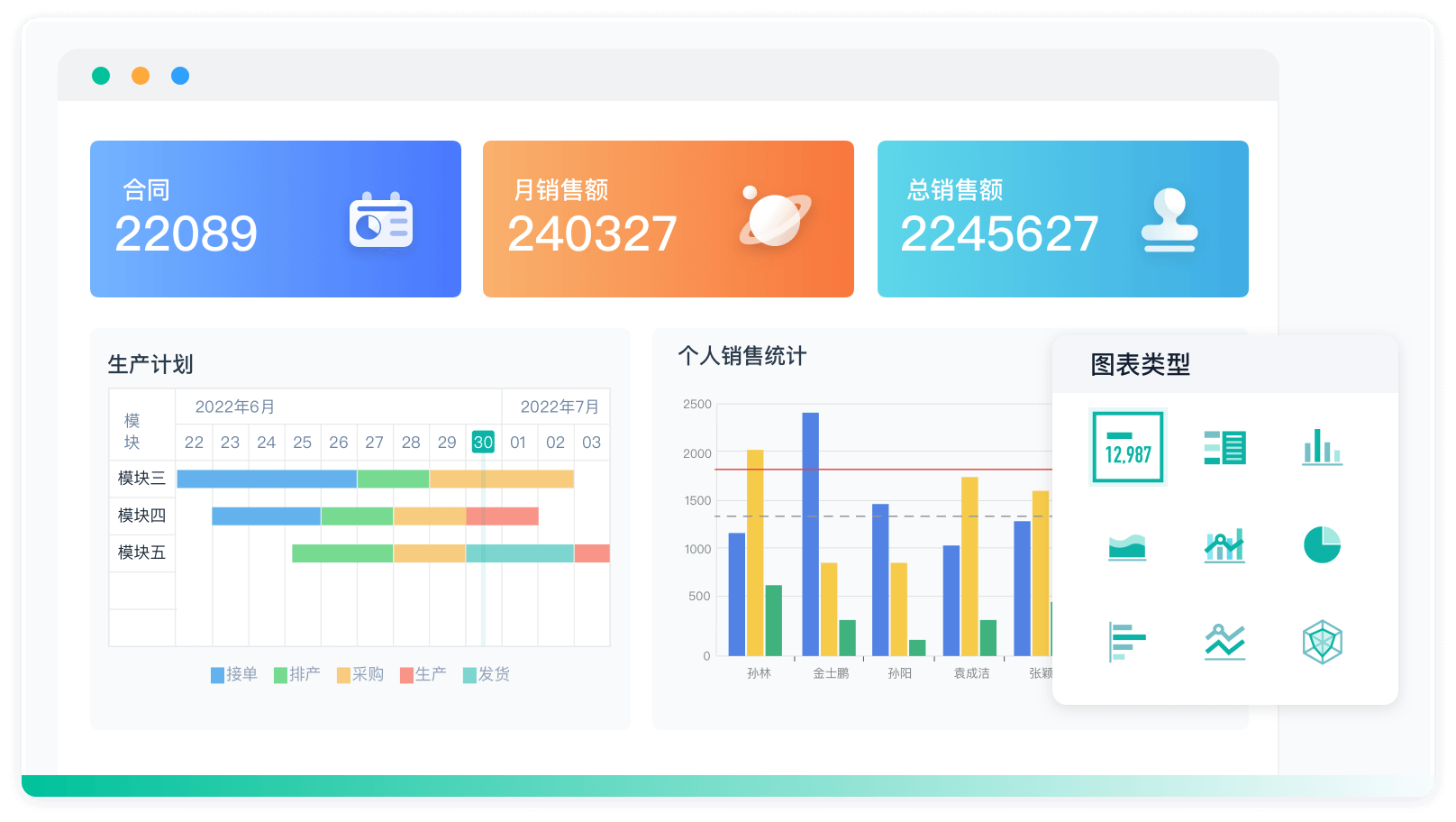
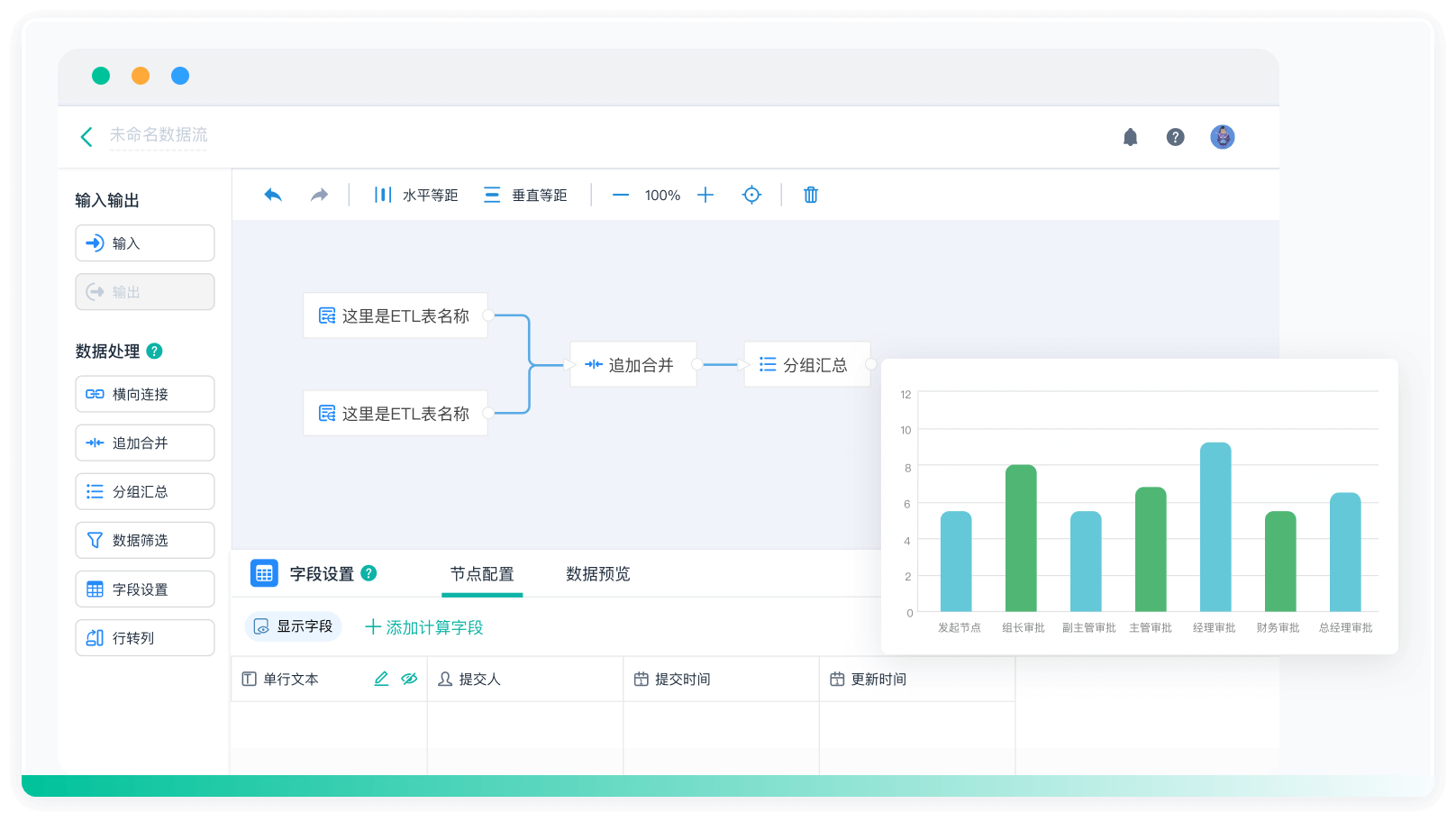
最后,推荐一个好用的零代码开发平台,5分钟即可搭建一个管理软件:
地址: https://s.fanruan.com/x6aj1;
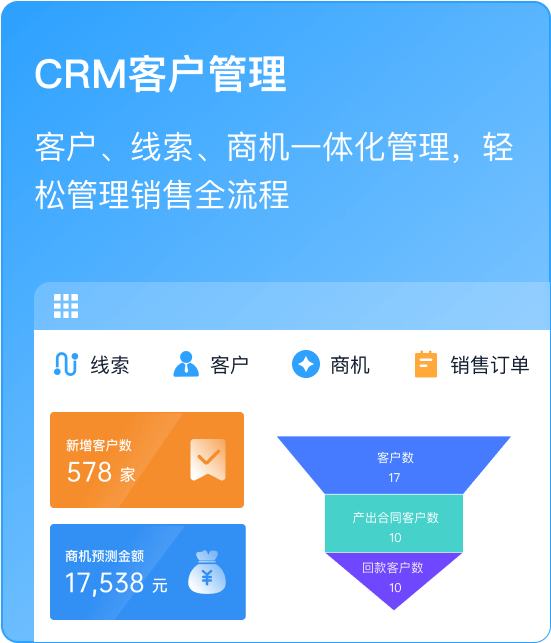
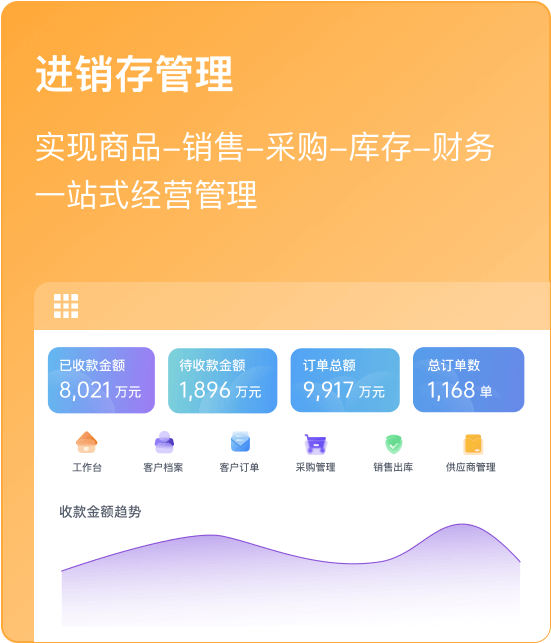
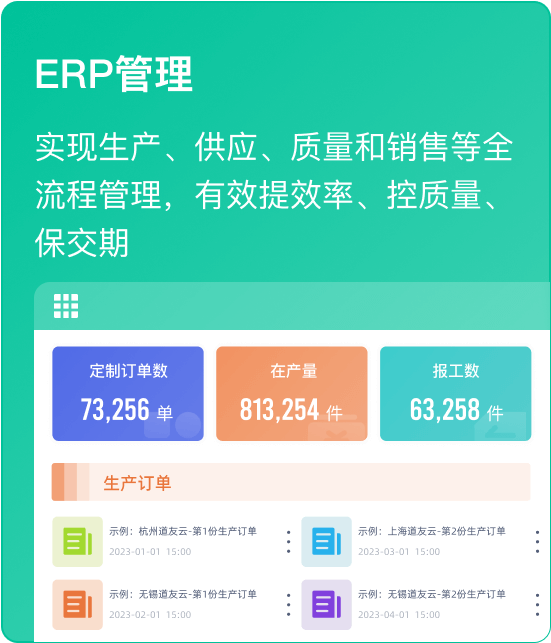
100+企业管理系统模板免费使用>>>无需下载,在线安装:
地址: https://s.fanruan.com/7wtn5;




























































 《零代码开发知识图谱》
 《零代码
新动能》案例集
《零代码
新动能》案例集
 《企业零代码系统搭建指南》