
 阅读时间:8 分钟
  浏览量:939次


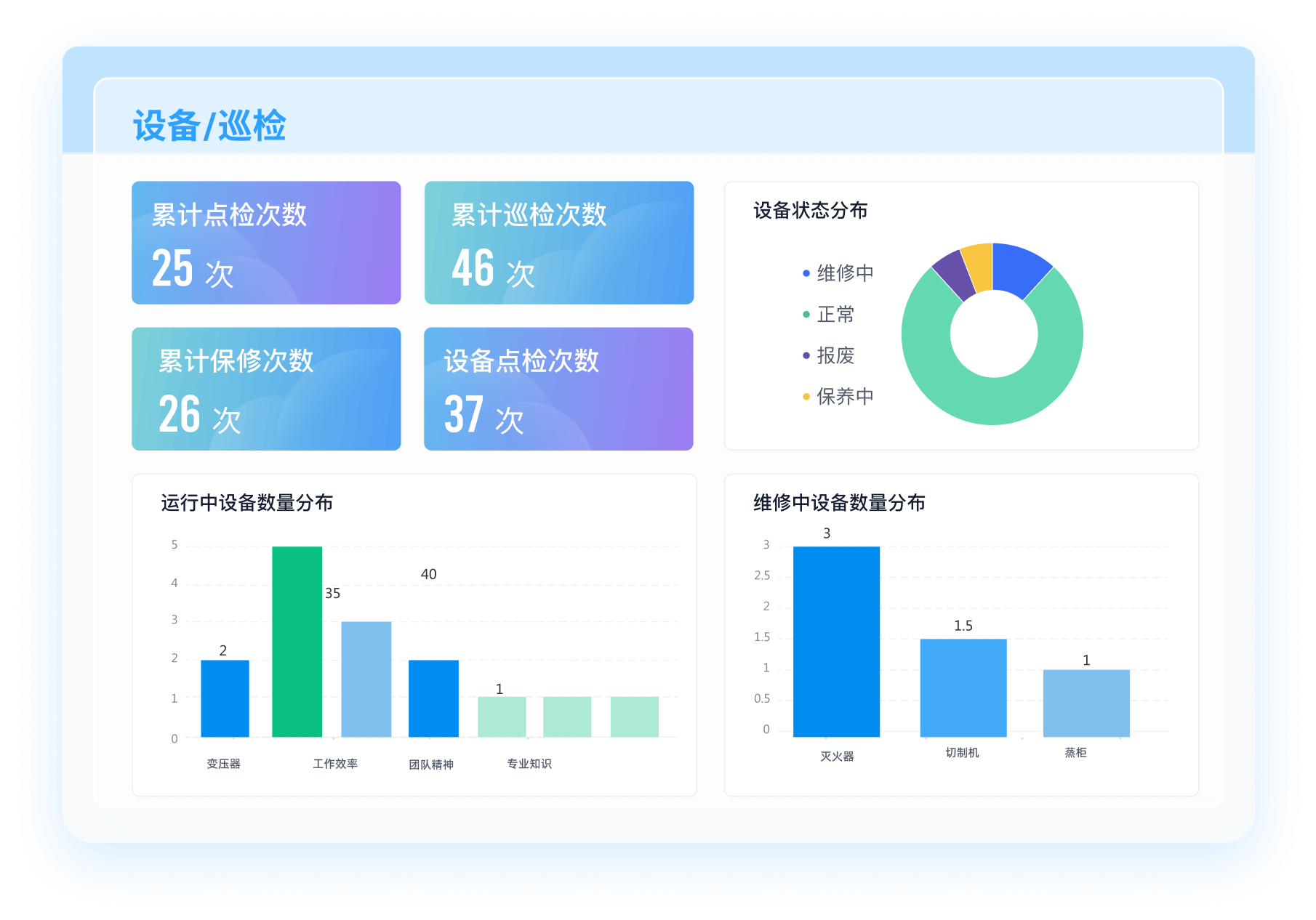
An Equipment Management System (EMS) provides comprehensive solutions for managing, tracking, and maintaining equipment in various industries. Key features include real-time tracking, maintenance scheduling, and inventory management. Real-time tracking ensures that equipment is always accounted for, improving efficiency and reducing losses. Maintenance scheduling helps in prolonging the lifespan of the equipment and prevents unexpected downtimes. Inventory management keeps track of equipment availability, ensuring that necessary tools are always on hand. Real-time tracking, for example, allows companies to monitor equipment location and status, reducing the risk of loss or theft and optimizing equipment utilization.
I、REAL-TIME TRACKING
Real-time tracking is crucial for an effective EMS. This feature enables organizations to monitor the location and status of their equipment continuously. With GPS and RFID technology, businesses can see where their assets are at any given moment. This reduces the chances of equipment loss or theft and ensures that resources are allocated efficiently. For instance, in construction, knowing the exact location of heavy machinery can save time and money by avoiding unnecessary transport and ensuring that equipment is available when needed. Moreover, real-time data can help in predictive maintenance by analyzing the equipment's usage patterns, thus preventing potential failures.
II、MAINTENANCE SCHEDULING
Maintenance scheduling is a vital component of an EMS, ensuring that all equipment is regularly serviced and in optimal working condition. This feature helps in planning and automating maintenance tasks, reducing the likelihood of unexpected breakdowns. Scheduled maintenance activities can include routine checks, part replacements, and software updates. By maintaining a strict schedule, companies can extend the lifespan of their equipment, improve safety, and avoid costly repairs. Additionally, a well-maintained fleet of equipment performs better, leading to increased productivity and efficiency. For example, in the healthcare industry, regularly maintained medical devices ensure accurate diagnostics and patient safety.
III、INVENTORY MANAGEMENT
Inventory management within an EMS allows businesses to keep track of their equipment inventory, ensuring that necessary tools are always available when needed. This feature helps in monitoring equipment availability, usage, and condition. By having a clear overview of the inventory, companies can make informed decisions about purchasing new equipment, retiring old ones, and reallocating resources. Effective inventory management also aids in budget planning and cost control. For instance, in manufacturing, knowing the exact number of functional machines can help in planning production schedules and avoiding downtime due to equipment shortages.
IV、DATA ANALYTICS AND REPORTING
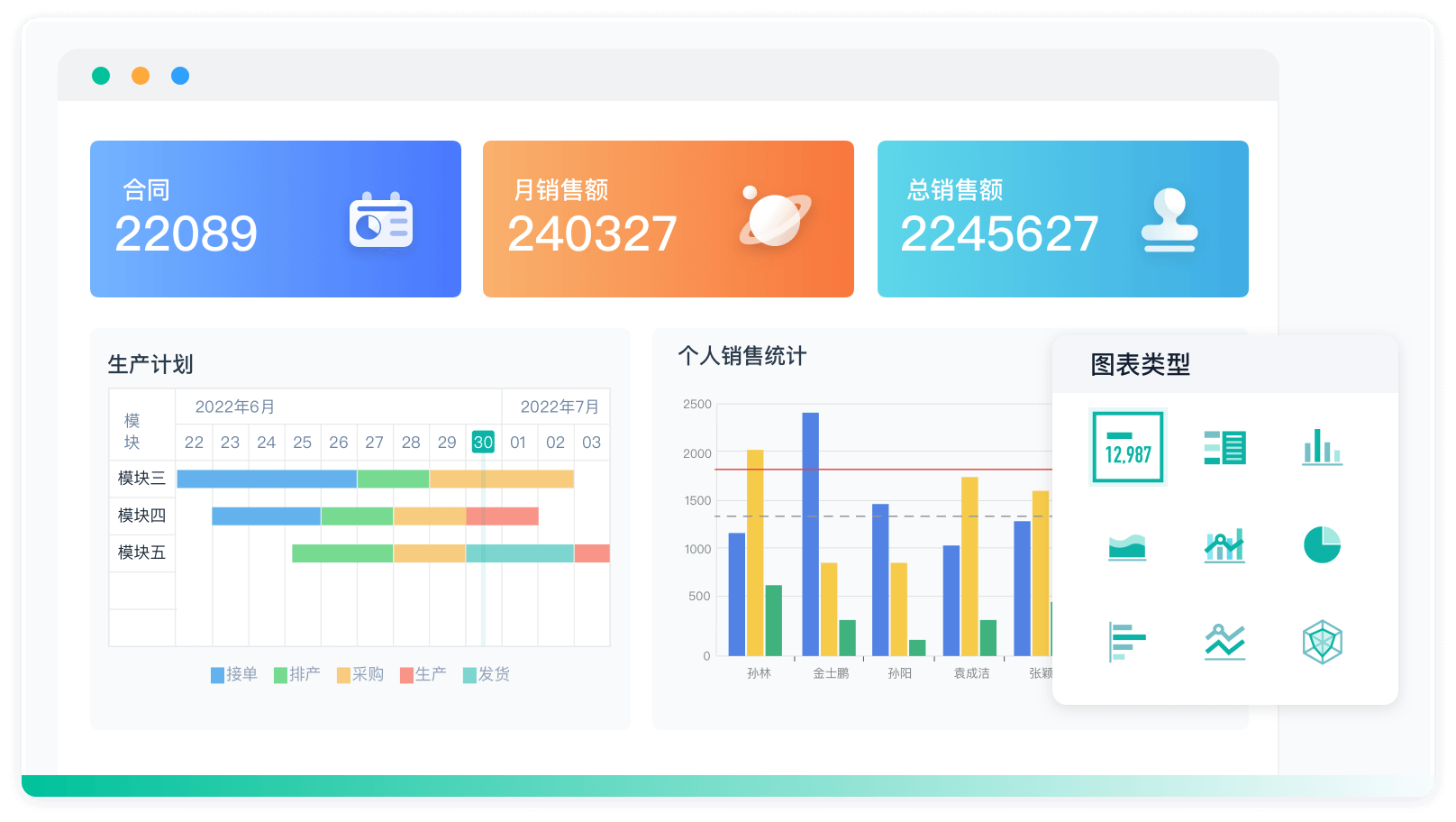
An advanced EMS includes data analytics and reporting capabilities, providing insights into equipment performance, usage patterns, and maintenance history. These insights help in making data-driven decisions, optimizing equipment usage, and improving overall operational efficiency. Reports can be customized to show various metrics such as downtime, repair costs, and utilization rates. By analyzing this data, companies can identify trends, predict future needs, and plan accordingly. For example, in logistics, analyzing vehicle usage data can help in route optimization and reducing fuel consumption, leading to significant cost savings.
V、USER ACCESS AND PERMISSIONS
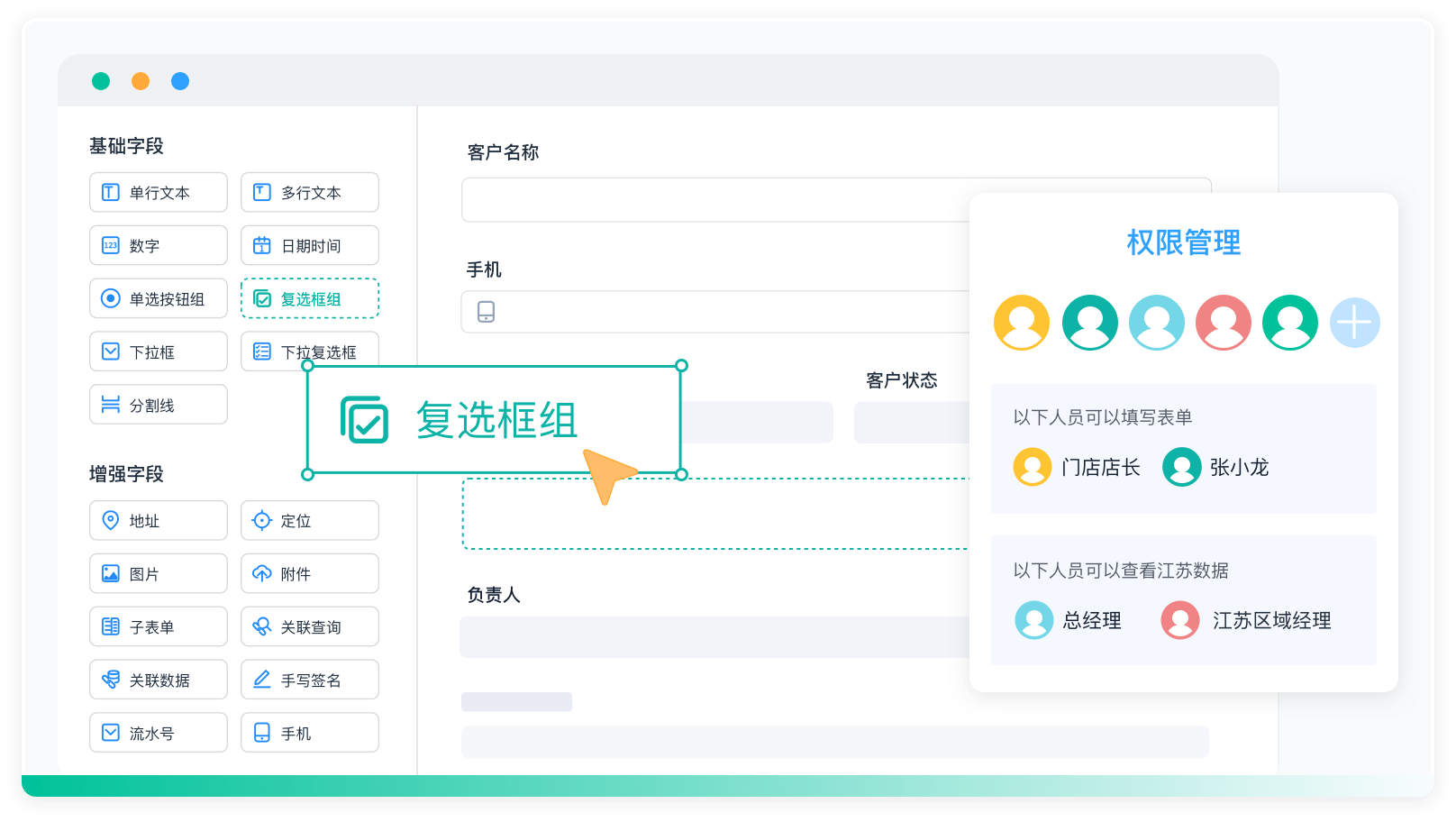
Managing user access and permissions is essential in an EMS to ensure that only authorized personnel can access or modify equipment information. This feature helps in maintaining data security and integrity. Different levels of access can be assigned based on roles, ensuring that users have the necessary permissions to perform their tasks without compromising sensitive information. For instance, maintenance technicians might need access to maintenance schedules and equipment manuals, while managers may require access to usage reports and financial data. By controlling access, companies can prevent unauthorized changes and ensure that data remains accurate and reliable.
VI、INTEGRATION WITH OTHER SYSTEMS
Integration capabilities allow an EMS to work seamlessly with other business systems such as ERP, CRM, and financial software. This integration ensures that data flows smoothly across different platforms, enhancing overall operational efficiency. For example, integrating an EMS with an ERP system can provide real-time updates on equipment status and availability, helping in better resource planning and allocation. Similarly, integration with financial systems can streamline budgeting and cost tracking, providing a comprehensive view of the equipment lifecycle costs. In the oil and gas industry, such integrations can help in monitoring drilling equipment and managing supply chain logistics effectively.
VII、MOBILE ACCESS AND REMOTE MANAGEMENT
Modern EMS solutions offer mobile access and remote management capabilities, allowing users to monitor and manage equipment from anywhere. This feature is particularly useful for field operations where on-site management is not always possible. Mobile apps provide real-time updates, alert notifications, and the ability to perform maintenance tasks remotely. For instance, in agriculture, farmers can use mobile devices to track the location and status of their tractors and other machinery, ensuring efficient field operations. Remote management also allows for quick response to any issues, reducing downtime and improving overall productivity.
VIII、CUSTOMIZATION AND SCALABILITY
A good EMS should be customizable and scalable to meet the specific needs of different industries and businesses. Customization options allow companies to tailor the system to their unique requirements, adding or removing features as needed. Scalability ensures that the system can grow with the business, accommodating an increasing number of equipment and users. For example, a small manufacturing company might start with basic tracking and maintenance features and later expand to include advanced analytics and integration capabilities as they grow. This flexibility ensures that the EMS remains relevant and useful as the business evolves.
IX、USER-FRIENDLY INTERFACE
An intuitive and user-friendly interface is essential for ensuring that all users can easily navigate and utilize the EMS. A well-designed interface minimizes the learning curve and increases user adoption. Features such as dashboards, visual reports, and easy-to-navigate menus enhance the user experience. For instance, in the education sector, a simple interface can help staff quickly locate and manage educational equipment, ensuring smooth operations and minimizing disruptions. A user-friendly system also reduces the likelihood of errors and increases overall efficiency.
X、COST-EFFECTIVENESS
Implementing an EMS can lead to significant cost savings by improving equipment utilization, reducing downtime, and minimizing maintenance costs. By keeping track of equipment usage and condition, companies can avoid unnecessary purchases and repairs. Additionally, automated maintenance schedules and real-time tracking reduce the need for manual oversight, saving labor costs. For example, in the construction industry, effective equipment management can lead to more efficient project execution, reducing delays and associated costs. The initial investment in an EMS can quickly pay off through these operational efficiencies and cost savings.
相关问答FAQs:
设备管理系统(Equipment Management System)是指一种用于监控、管理和维护各种设备的系统。以下是设备管理系统的一些相关英文术语及其解释:
-
Asset Tracking – 资产追踪:通过条形码、RFID等技术,实时监控设备的位置和状态。
-
Preventive Maintenance – 预防性维护:定期对设备进行检查和维护,以避免潜在故障。
-
Downtime – 停机时间:设备因故障或维护而无法正常运行的时间。
-
Inventory Management – 库存管理:管理设备和备件的库存,确保适时补充。
-
Lifecycle Management – 生命周期管理:对设备从采购、使用到报废的整个生命周期进行管理。
-
Performance Metrics – 绩效指标:用来评估设备性能的各种指标,如效率、故障率等。
-
Compliance Tracking – 合规追踪:确保设备符合行业标准和法规要求。
-
Data Analytics – 数据分析:对设备使用和维护数据进行分析,以优化管理和决策。
-
User Access Control – 用户访问控制:管理谁可以访问设备管理系统及其数据。
-
Reporting Tools – 报告工具:生成关于设备状态、维护历史等的报告,以便于决策。
这些术语和概念是设备管理系统中常见的组成部分,帮助企业更有效地管理和维护其设备,提高运营效率。






























































 《零代码开发知识图谱》
 《零代码
新动能》案例集
《零代码
新动能》案例集
 《企业零代码系统搭建指南》