
 阅读时间:8 分钟
  浏览量:881次


An instrument and equipment management system is essential for any organization that relies on various tools and machines for its operations. These systems help track inventory, schedule maintenance, ensure compliance, and optimize usage. Effective management of equipment reduces downtime, extends the lifespan of assets, and enhances overall productivity. For example, by ensuring that each piece of equipment is regularly maintained, the system can prevent unexpected failures, saving time and money in the long run. Such systems often include features for automated alerts, user access control, and detailed reporting, all of which contribute to streamlined operations.
I. INTRODUCTION TO INSTRUMENT AND EQUIPMENT MANAGEMENT SYSTEMS
An instrument and equipment management system is a comprehensive software solution designed to oversee the life cycle of an organization’s assets. It helps manage everything from acquisition and utilization to maintenance and eventual decommissioning. The system is pivotal in industries like manufacturing, healthcare, and research, where equipment reliability is crucial.
Core Features of such systems often include inventory management, maintenance scheduling, compliance tracking, and reporting capabilities. These features are tailored to ensure that organizations can maintain high operational standards while minimizing costs and risks associated with equipment failure.
II. IMPORTANCE OF EQUIPMENT MANAGEMENT IN INDUSTRIES
In industries like healthcare, manufacturing, and research, the importance of equipment management cannot be overstated. In healthcare, for instance, the precision and reliability of instruments can be a matter of life and death. Manufacturing relies heavily on machines for production, and downtime can significantly impact productivity and profitability. Research facilities require precise and well-maintained instruments to ensure accurate results.
The instrument and equipment management system helps mitigate risks associated with equipment failure, ensuring that all tools are in working condition and ready for use. This system also supports regulatory compliance by maintaining records of maintenance and calibrations, which are often required by law.
III. FEATURES OF A COMPREHENSIVE MANAGEMENT SYSTEM
A comprehensive management system for instruments and equipment should include:
-
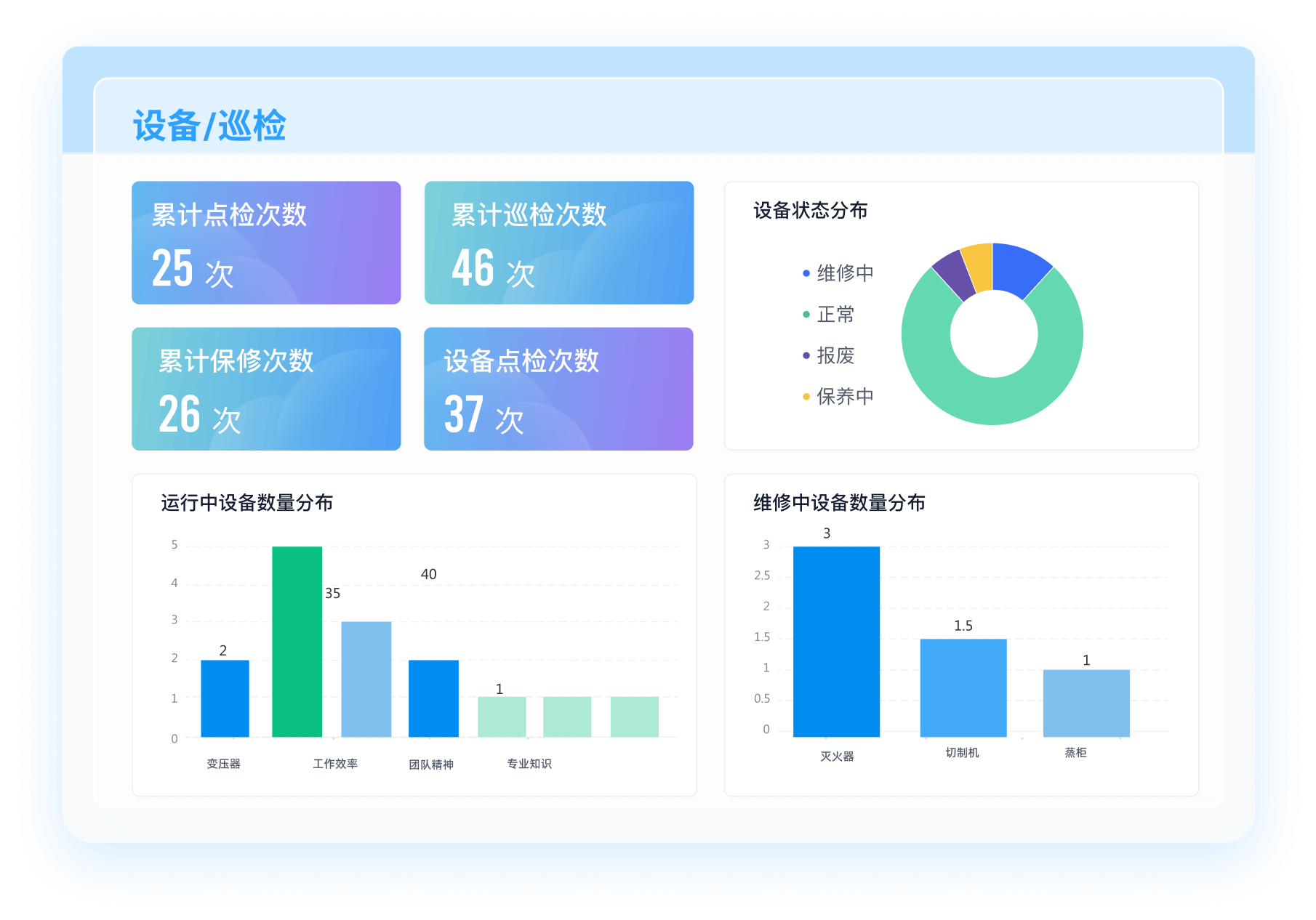
Inventory Management: Keeping track of all equipment, including location, usage, and condition. This feature ensures that organizations know the status of their assets at all times.
-
Maintenance Scheduling: Automated scheduling of regular maintenance tasks to prevent equipment failures and extend the life of assets. This can include routine checks, calibration, and repairs.
-
Compliance Tracking: Ensuring that all equipment meets industry standards and regulations. The system maintains records of inspections, certifications, and other compliance-related activities.
-
User Access Control: Restricting access to certain equipment or system features to authorized personnel only. This enhances security and ensures that only trained individuals use the equipment.
-
Reporting and Analytics: Providing detailed reports on equipment usage, maintenance history, and other critical metrics. These insights help organizations make informed decisions about asset management.
-
Integration Capabilities: The ability to integrate with other systems within the organization, such as enterprise resource planning (ERP) systems, to provide a unified view of operations.
IV. BENEFITS OF IMPLEMENTING A MANAGEMENT SYSTEM
Implementing an instrument and equipment management system offers numerous benefits:
-
Improved Equipment Utilization: By tracking usage, the system helps organizations ensure that equipment is used efficiently, reducing idle time and maximizing return on investment.
-
Reduced Downtime: Scheduled maintenance and timely repairs reduce the likelihood of unexpected breakdowns, minimizing downtime and maintaining production schedules.
-
Enhanced Compliance: With automated compliance tracking, organizations can easily meet regulatory requirements, avoiding fines and legal issues.
-
Cost Savings: Efficient management reduces the costs associated with emergency repairs, downtime, and equipment replacement. It also optimizes inventory levels, reducing the need for excess stock.
-
Data-Driven Decision Making: The system provides valuable insights through reporting and analytics, enabling organizations to make informed decisions about equipment management.
V. CHALLENGES IN IMPLEMENTING AND MAINTAINING THE SYSTEM
While the benefits of an instrument and equipment management system are clear, implementing and maintaining such a system can pose challenges:
-
Initial Costs: The cost of acquiring and setting up the system can be significant, especially for smaller organizations. However, this cost is often offset by the long-term savings and efficiency gains.
-
Training Requirements: Staff need to be trained to use the system effectively. This requires time and resources but is crucial for the system’s success.
-
Integration with Existing Systems: Integrating the management system with existing software can be complex, particularly if the systems are outdated or incompatible.
-
Data Migration: Moving data from existing systems to the new management system can be time-consuming and requires careful planning to avoid data loss.
-
Ongoing Maintenance and Updates: The system itself requires regular maintenance and updates to ensure it continues to meet the organization’s needs and keeps up with technological advancements.
VI. CASE STUDIES AND REAL-WORLD APPLICATIONS
Healthcare: In a hospital setting, an instrument and equipment management system ensures that all medical devices are regularly calibrated and maintained, which is critical for patient safety. It also tracks the usage of disposable items, ensuring they are replenished as needed.
Manufacturing: A manufacturing plant uses the system to monitor machinery across multiple production lines. The system schedules preventive maintenance, reducing the risk of machine breakdowns and ensuring that production targets are met.
Research: In a research laboratory, the system helps manage a diverse range of instruments, ensuring that each one is in optimal condition. It also tracks the calibration of sensitive equipment, which is essential for the accuracy of experimental results.
VII. FUTURE TRENDS IN EQUIPMENT MANAGEMENT
The future of instrument and equipment management systems is likely to be shaped by advancements in technology. Artificial Intelligence (AI) and Machine Learning (ML) are expected to play a significant role in predictive maintenance, where the system can predict when equipment is likely to fail and schedule maintenance accordingly.
Internet of Things (IoT) integration will enable real-time monitoring of equipment, providing immediate insights into the condition of assets. This will allow for more dynamic and responsive maintenance strategies.
Cloud-based solutions are becoming increasingly popular, offering greater flexibility and scalability. These solutions allow organizations to access the system from anywhere, facilitating remote management of equipment.
Blockchain technology may also be used for tracking and verifying maintenance records, ensuring data integrity and enhancing compliance.
VIII. CONCLUSION: OPTIMIZING OPERATIONS THROUGH EFFECTIVE MANAGEMENT
An instrument and equipment management system is an indispensable tool for organizations aiming to optimize their operations. By ensuring that all equipment is well-maintained, compliant, and efficiently utilized, these systems help reduce costs, enhance productivity, and support regulatory compliance. As technology evolves, these systems will continue to offer even more sophisticated tools for managing assets, helping organizations stay competitive in a rapidly changing environment.
相关问答FAQs:
FAQs关于仪器与设备管理系统
1. 什么是仪器与设备管理系统?
仪器与设备管理系统是一种专门设计用于管理和维护企业或实验室中各类仪器和设备的软件工具。其主要功能包括设备的采购、维护、校准、报废以及使用记录等。通过该系统,管理者能够实时监控设备的状态,确保设备的正常运行,提升工作效率,并减少因设备故障造成的损失。系统通常还可以生成报告,帮助管理者做出更好的决策。
2. 仪器与设备管理系统有哪些主要功能?
仪器与设备管理系统的主要功能涵盖多个方面,具体包括:
- 资产管理:记录设备的基本信息,如型号、规格、购置日期、使用状态等。
- 维护管理:安排和记录设备的定期维护和保养,确保设备始终处于最佳状态。
- 校准管理:跟踪设备的校准周期,提醒相关人员进行校准,确保测量结果的准确性。
- 使用记录:记录设备的使用情况,包括使用者、使用时间和使用目的等,方便追溯和分析。
- 报废管理:对不再使用的设备进行报废处理,及时更新资产清单。
- 报告生成:系统能够自动生成各类报告,帮助管理者进行分析和决策。
3. 为什么企业需要实施仪器与设备管理系统?
企业实施仪器与设备管理系统有诸多优势。首先,它能够提高设备的利用率,降低设备闲置率,确保设备的高效使用。其次,系统能够减少人工管理的错误,提升数据的准确性和可靠性。此外,通过定期维护和校准,企业可以降低设备故障率,延长设备的使用寿命,从而节省了维修和替换的成本。最后,仪器与设备管理系统可以帮助企业符合相关的法规和标准,确保合规性,减少潜在的法律风险。
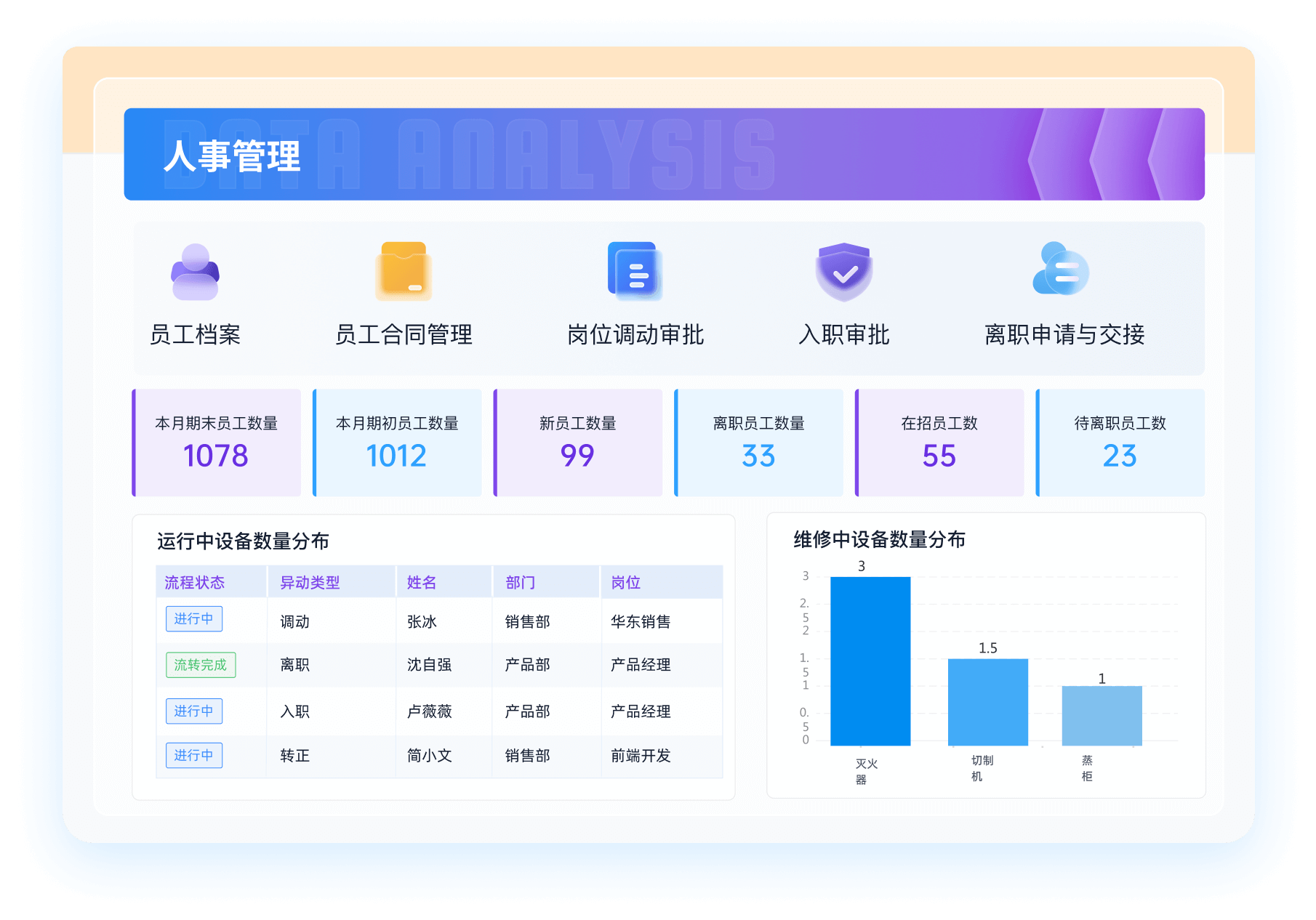
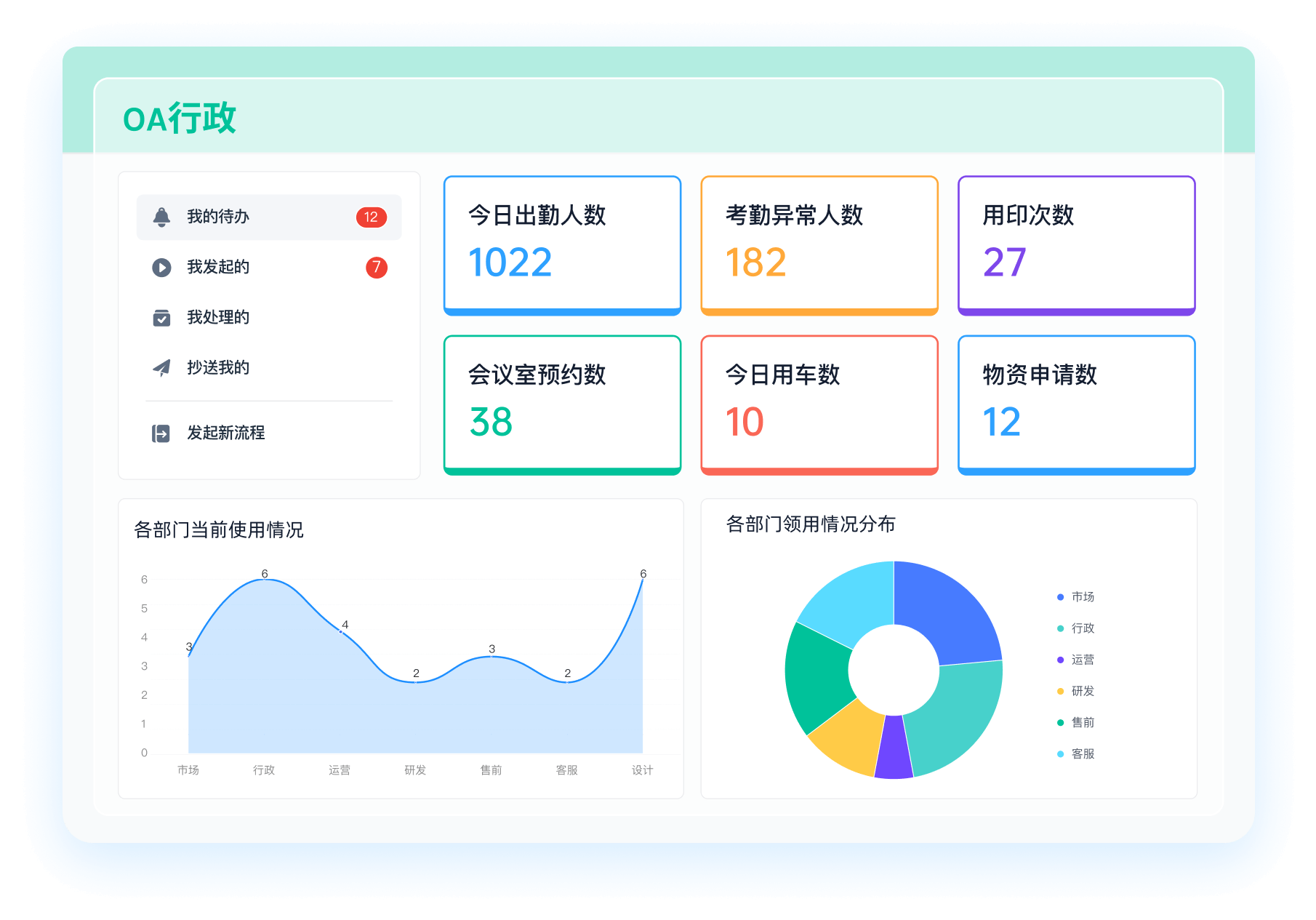
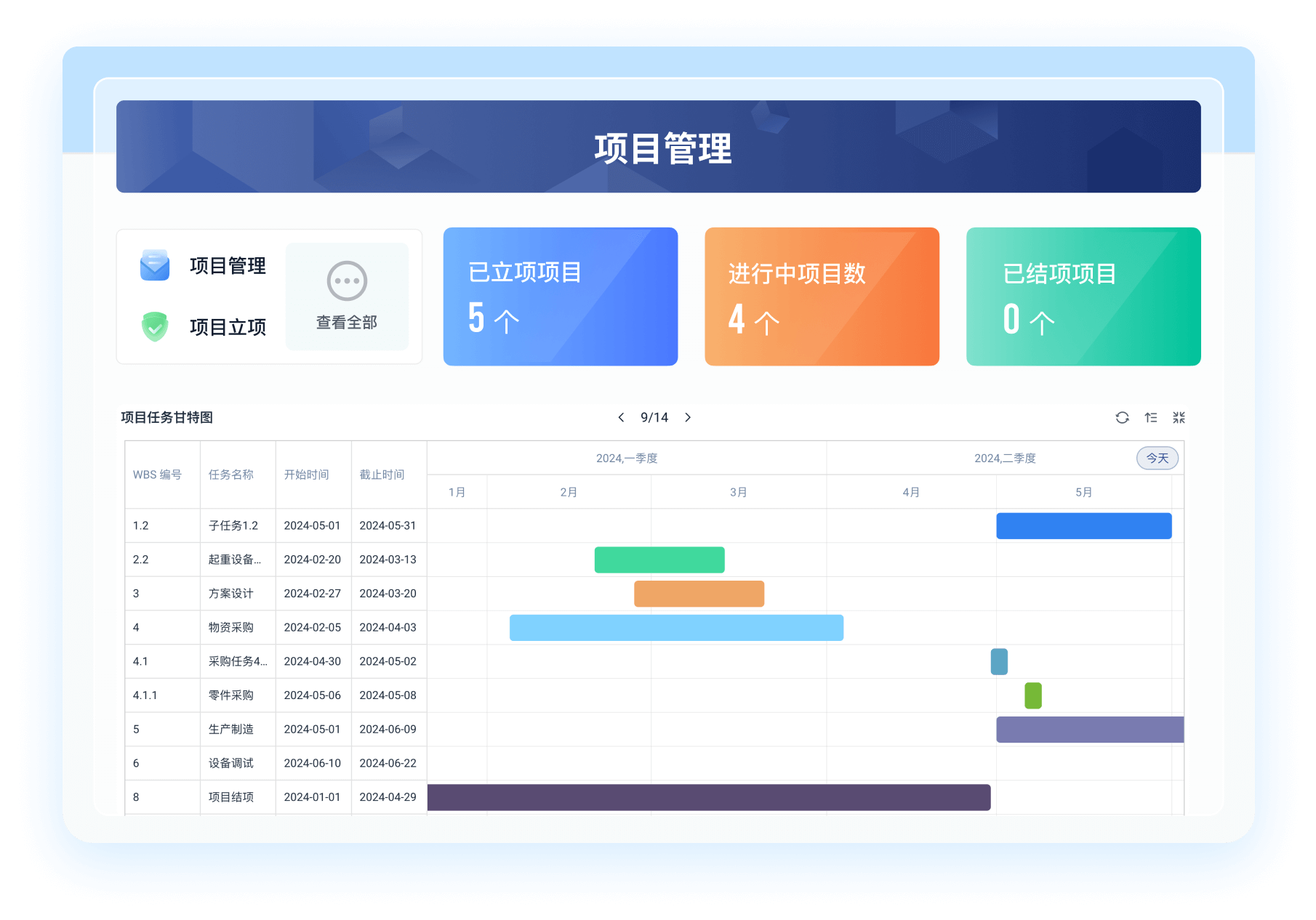
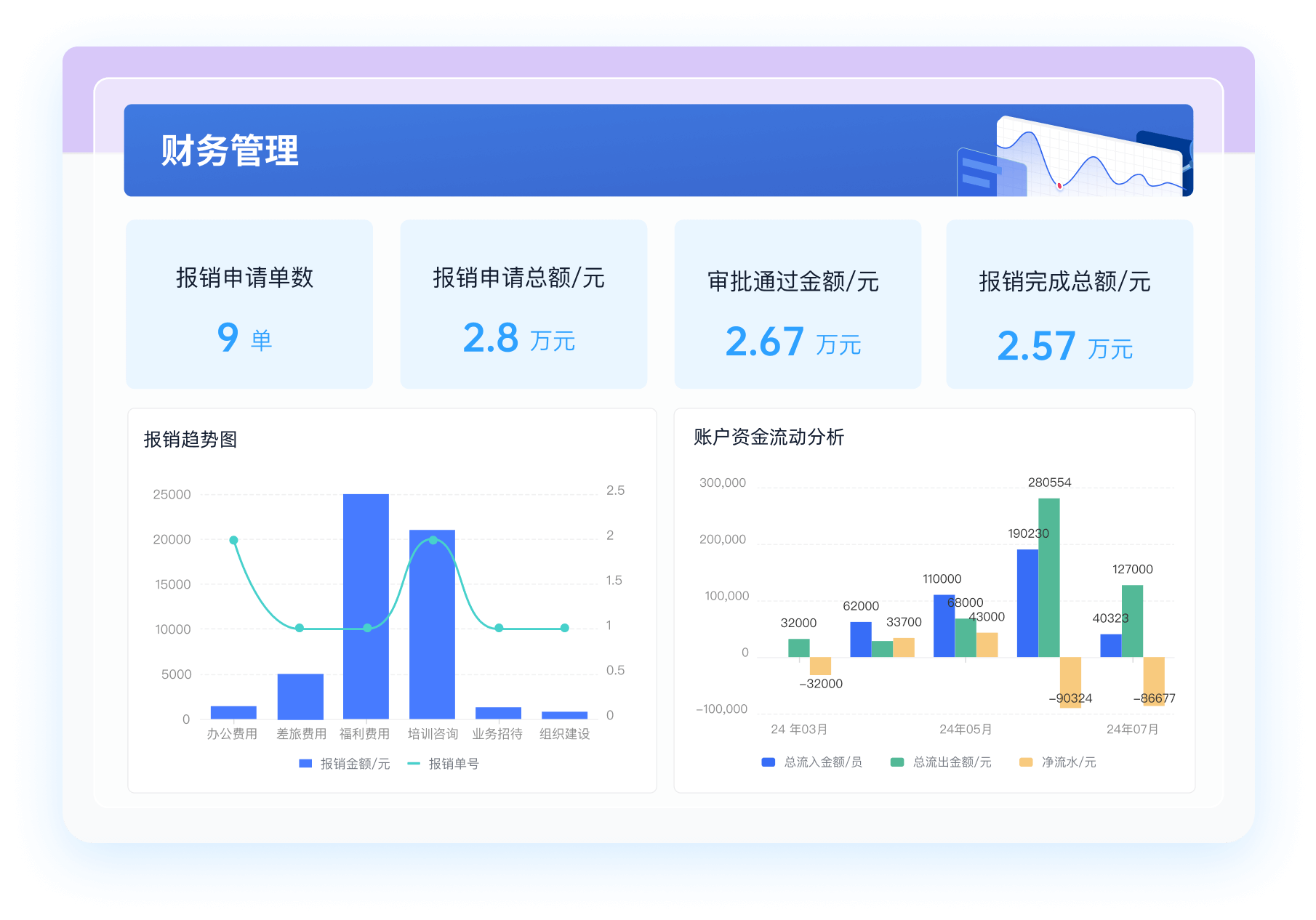
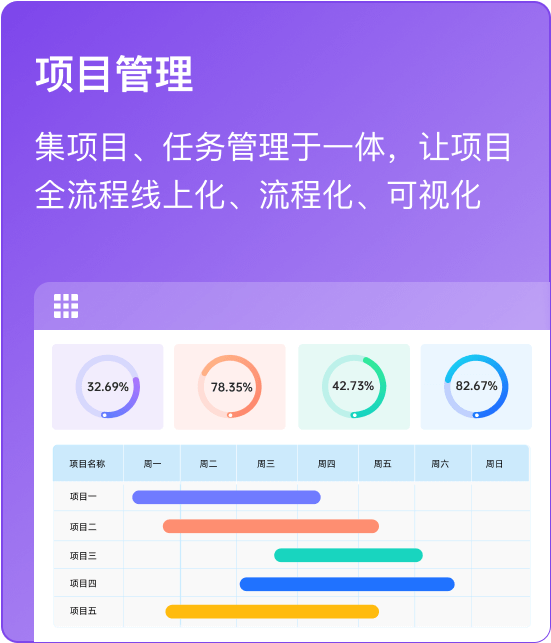
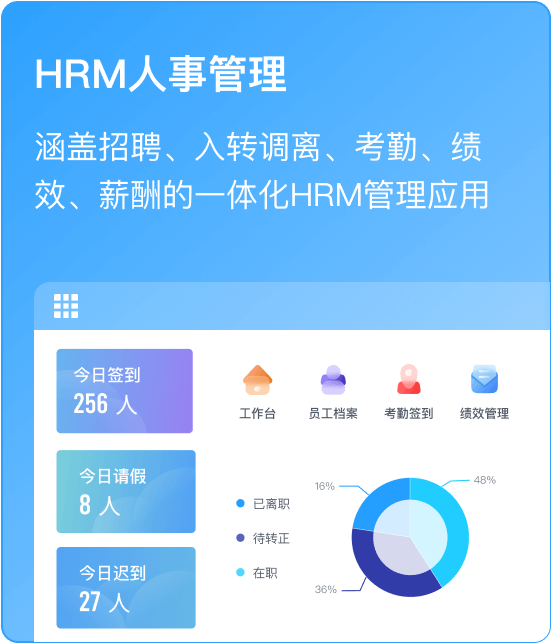
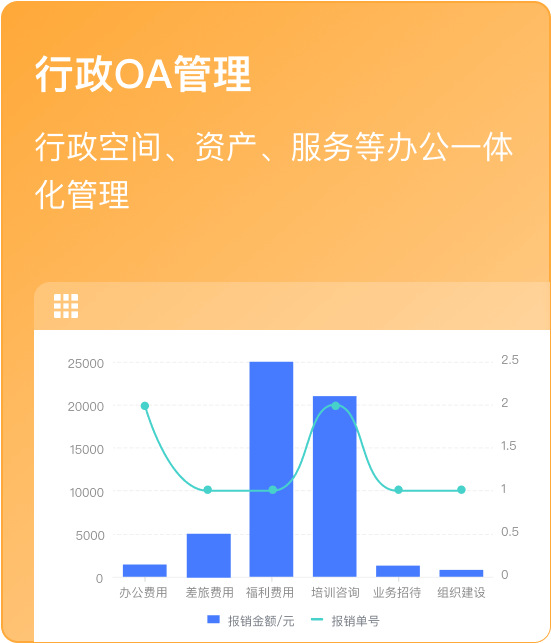
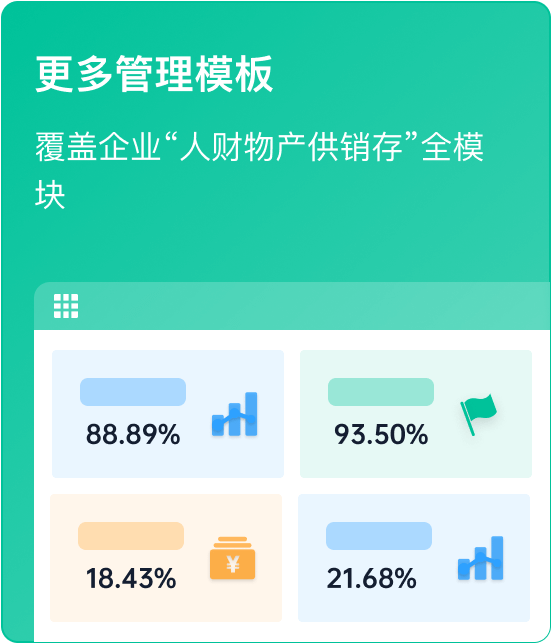
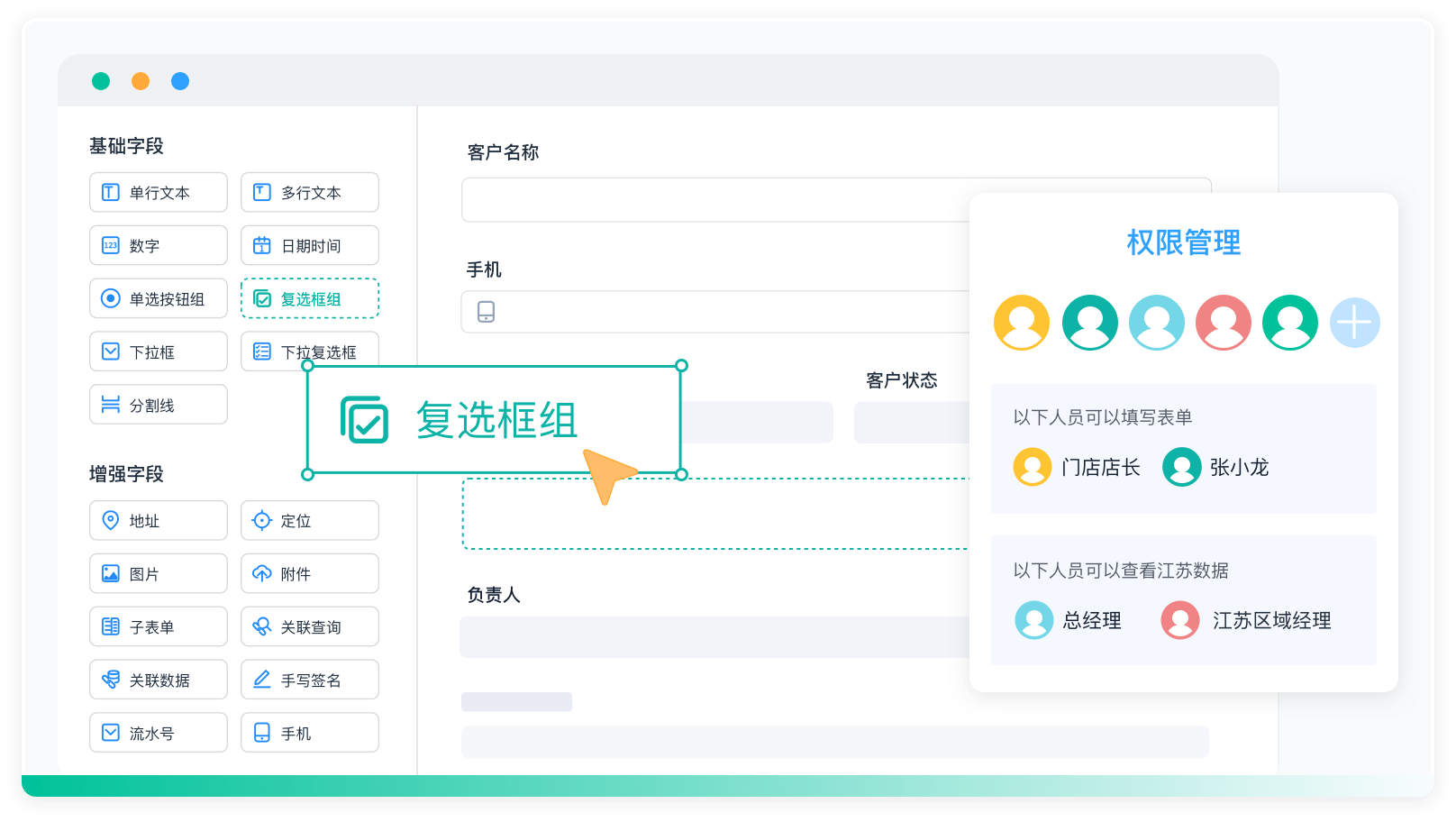
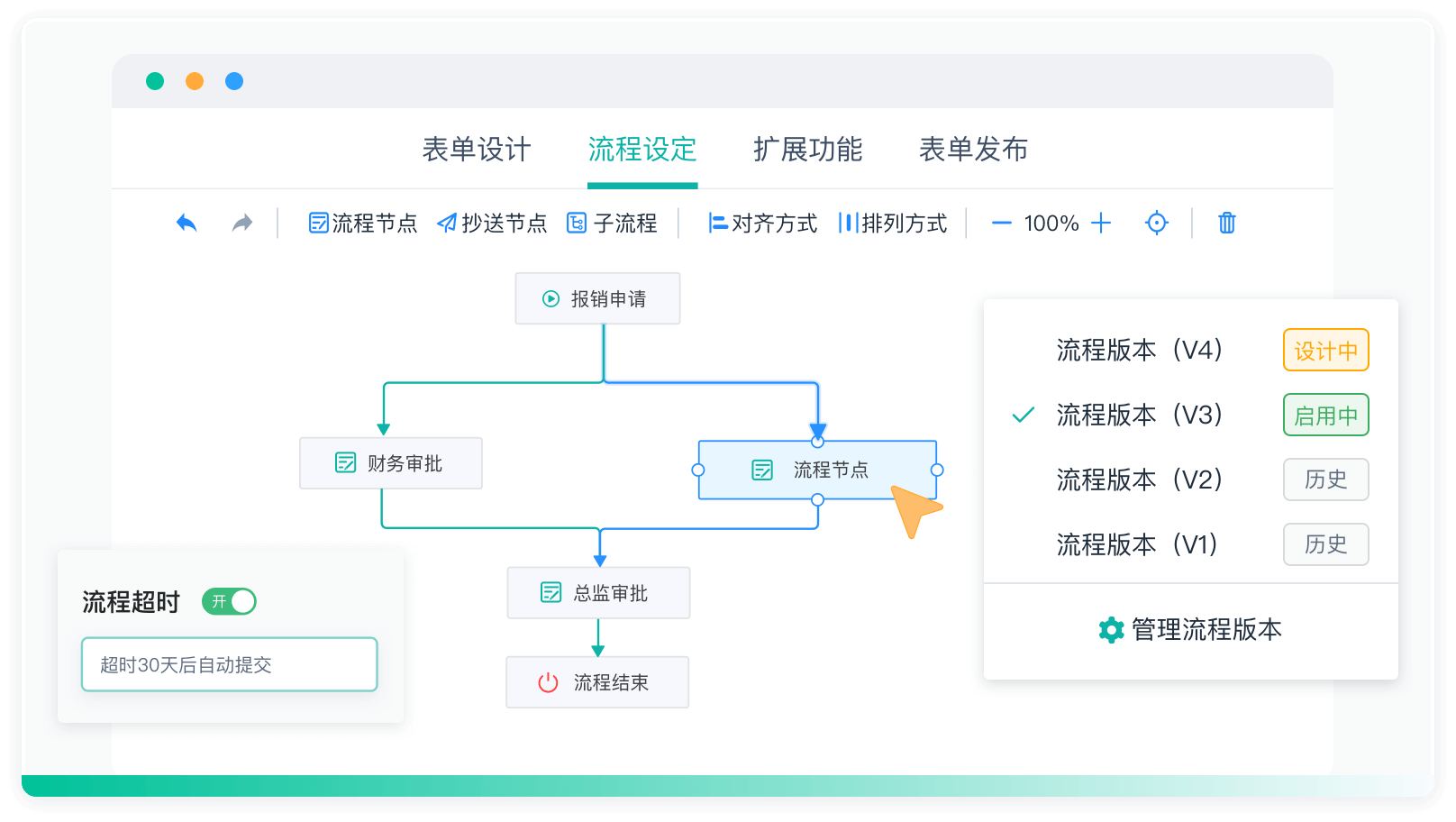
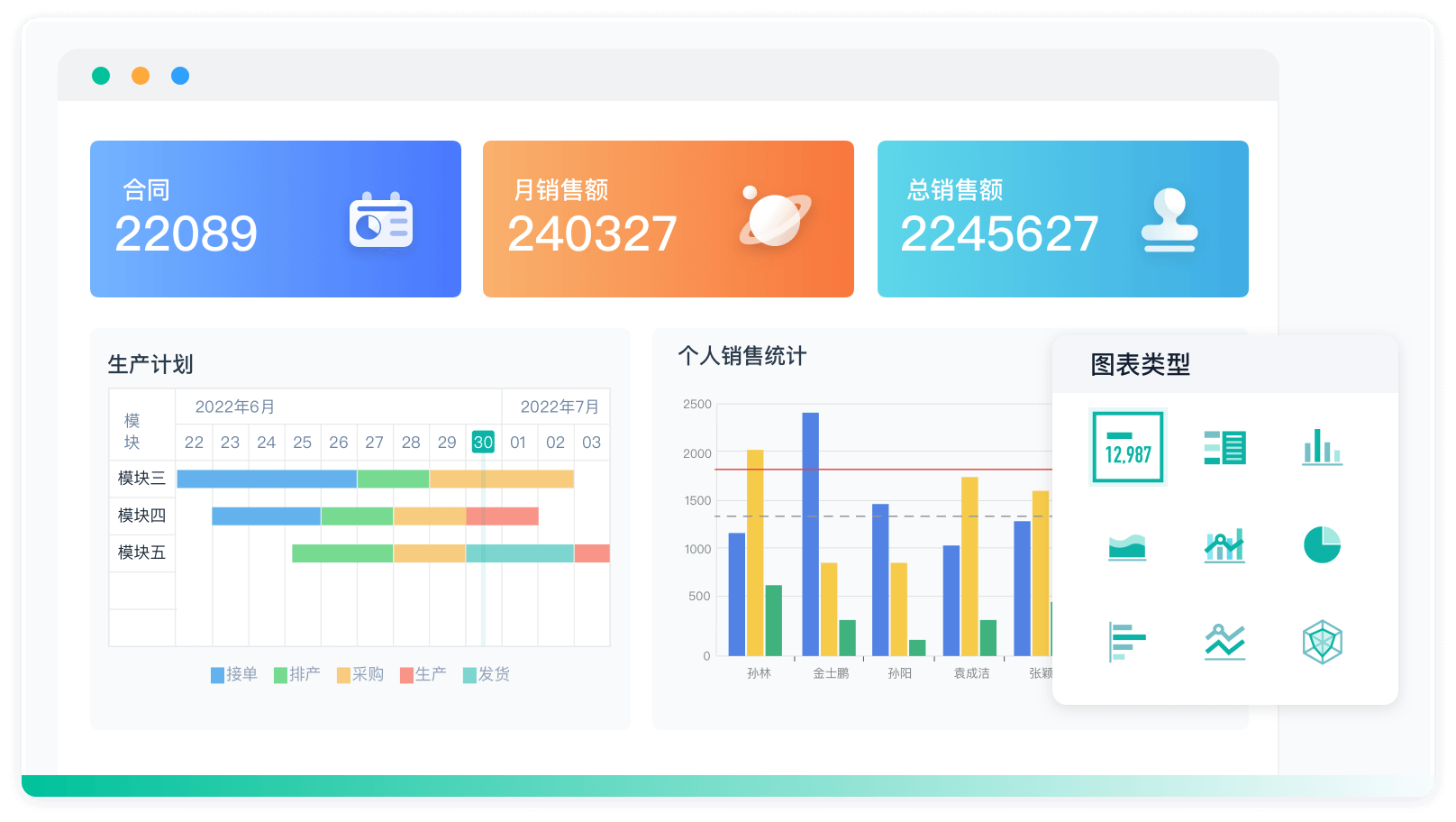
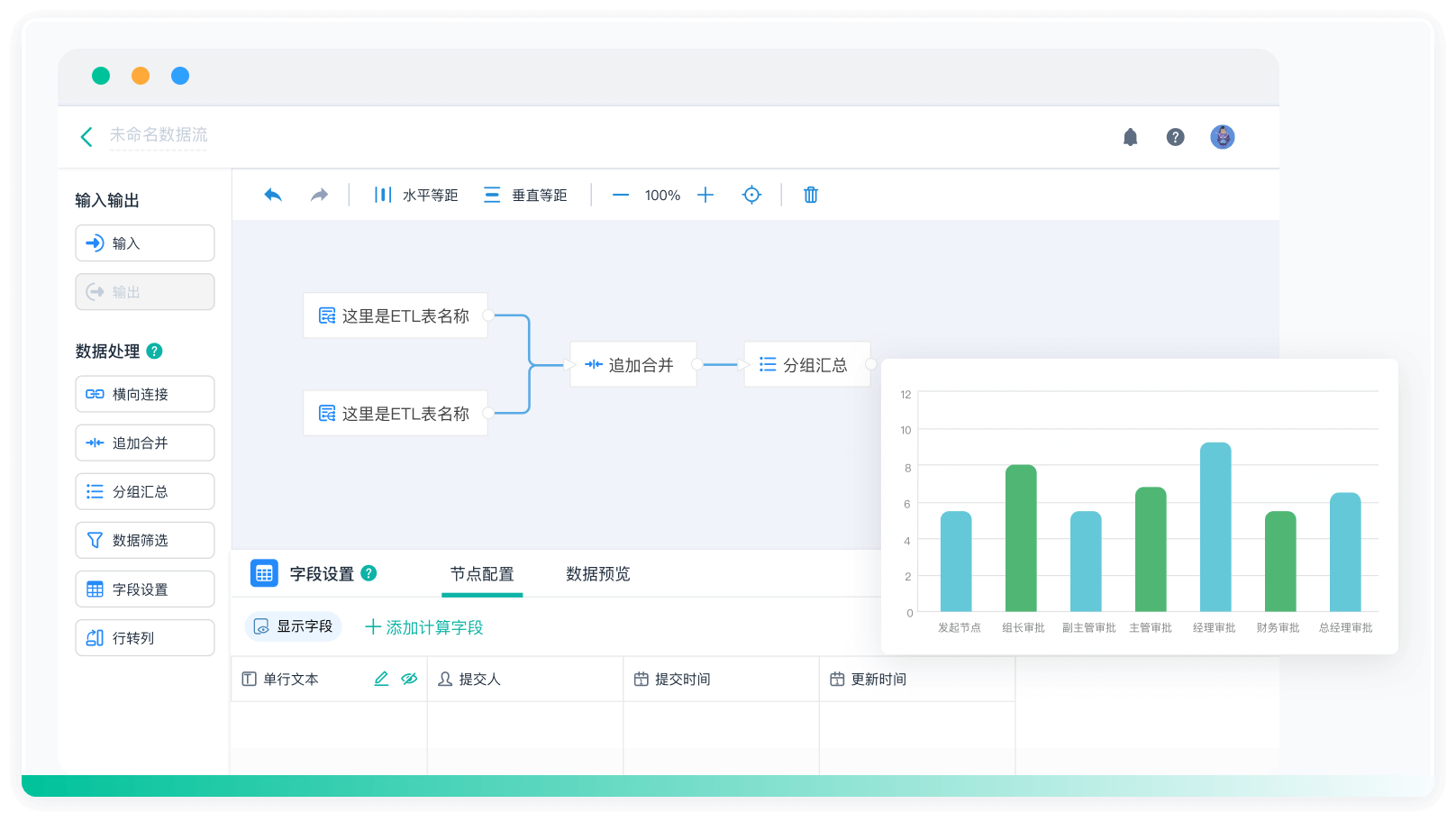
为企业提供一种高效的解决方案,推荐一个好用的零代码开发平台,5分钟即可搭建一个管理软件:
地址: https://s.fanruan.com/x6aj1;
100+企业管理系统模板免费使用>>>无需下载,在线安装:
地址: https://s.fanruan.com/7wtn5;

























































 《零代码开发知识图谱》
 《零代码
新动能》案例集
《零代码
新动能》案例集
 《企业零代码系统搭建指南》