 阅读时间:6 分钟
  浏览量:9386次


Facility and Equipment Management System is essential for efficient operations in any organization. Centralized data, predictive maintenance, compliance management are crucial elements of a robust management system. For example, centralized data allows for easy access and updates to all equipment information, reducing errors and improving efficiency.
一、CENTRALIZED DATA
Centralized data in a Facility and Equipment Management System means all information related to equipment and facilities is stored in a single, accessible database. This centralization enhances data accuracy and accessibility, allowing managers to quickly retrieve information, update records, and ensure consistency across the organization. Having a single source of truth for all equipment data minimizes the risk of discrepancies and errors that can occur with decentralized data storage. Additionally, centralized data systems often come with integrated tools for analysis and reporting, which can help in making informed decisions.
The impact of centralized data is significant in various ways. Improved decision-making is one of the primary benefits. With all data readily available, managers can make more informed decisions regarding maintenance schedules, equipment replacement, and resource allocation. Furthermore, centralized data systems often provide real-time updates, enabling managers to respond promptly to any issues that arise, thereby reducing downtime and increasing operational efficiency.
Enhanced collaboration is another key advantage. When data is centralized, different departments within an organization can access and use the same information, facilitating better communication and collaboration. For instance, the maintenance team can easily check the usage history and current status of equipment before performing any maintenance work, while the procurement team can access information about equipment needing replacement. This interconnected approach ensures that everyone is on the same page, leading to more coordinated and effective operations.
二、PREDICTIVE MAINTENANCE
Predictive maintenance involves using data analysis tools and techniques to predict when equipment failures might occur so that maintenance can be performed just in time to prevent them. This proactive approach helps in minimizing downtime and extending the lifespan of equipment. Predictive maintenance relies heavily on data collected from various sensors and monitoring devices installed on the equipment. This data includes information on vibration, temperature, noise, and other operational parameters. By analyzing this data, the system can identify patterns and trends that indicate potential failures.
The advantages of predictive maintenance are substantial. Reduced operational costs are a significant benefit, as maintenance activities are performed only when necessary, avoiding the costs associated with unnecessary routine maintenance. Additionally, this approach helps in preventing major failures that could result in expensive repairs or replacements. Predictive maintenance also contributes to increased equipment reliability and availability, ensuring that equipment is operational when needed and reducing unexpected downtime.
Furthermore, predictive maintenance supports better resource planning. By predicting when maintenance will be needed, organizations can schedule maintenance activities during periods of low demand, minimizing the impact on operations. This planning also allows for better management of maintenance staff and resources, ensuring that the necessary tools and parts are available when needed.
三、COMPLIANCE MANAGEMENT
Compliance management in a Facility and Equipment Management System ensures that all equipment and facilities adhere to relevant regulations, standards, and internal policies. This aspect of the system helps organizations avoid legal issues, fines, and penalties that can arise from non-compliance. Compliance management involves regular inspections, audits, and documentation to ensure that all equipment meets the required standards. The system can also keep track of certifications and licenses, alerting managers when renewals are due.
Effective compliance management provides several benefits. Mitigation of legal risks is a primary advantage, as adhering to regulations reduces the likelihood of facing legal action or fines. Moreover, maintaining compliance demonstrates a commitment to safety and quality, which can enhance the organization's reputation and credibility with customers, partners, and regulatory bodies.
Compliance management also supports continuous improvement. By regularly reviewing and updating compliance procedures, organizations can identify areas for improvement and implement changes to enhance safety, efficiency, and performance. This proactive approach ensures that the organization remains up-to-date with evolving regulations and standards, maintaining a high level of operational excellence.
四、INTEGRATED ASSET TRACKING
Integrated asset tracking involves using technology to monitor and manage the location, status, and condition of equipment and facilities. This integration provides real-time visibility into asset utilization and availability, facilitating better management and decision-making. Technologies such as RFID, GPS, and IoT are commonly used in integrated asset tracking systems. These technologies allow for automatic data collection and real-time updates, ensuring that managers have accurate and up-to-date information about all assets.
The benefits of integrated asset tracking are numerous. Improved asset utilization is a key advantage, as managers can track the usage of equipment and identify underutilized assets that can be redeployed or disposed of. This optimization helps in maximizing the return on investment for all assets. Additionally, integrated asset tracking supports enhanced maintenance planning, as real-time data on asset condition and usage can inform maintenance schedules and activities.
Increased security and loss prevention is another significant benefit. By continuously monitoring the location and status of assets, organizations can quickly detect and respond to any unauthorized movement or usage, reducing the risk of theft or loss. Furthermore, integrated asset tracking can provide valuable insights into asset lifecycle management, helping organizations make informed decisions about asset acquisition, maintenance, and replacement.
五、USER-FRIENDLY INTERFACE
A user-friendly interface is crucial for the effective use of a Facility and Equipment Management System. An intuitive and easy-to-navigate interface ensures that users can quickly learn and efficiently use the system, reducing the time and effort required for training and onboarding. A well-designed interface typically includes features such as dashboards, customizable views, and easy access to key functions. These features help users quickly find the information they need and perform tasks efficiently.
The advantages of a user-friendly interface extend beyond ease of use. Increased user adoption is a significant benefit, as employees are more likely to use a system that they find easy to navigate and understand. Higher user adoption leads to more comprehensive and accurate data entry, enhancing the overall effectiveness of the system. Additionally, a user-friendly interface can contribute to improved productivity, as users spend less time searching for information or figuring out how to perform tasks.
Enhanced data accuracy and consistency is another key advantage. When users find the system easy to use, they are more likely to enter data correctly and consistently, reducing errors and discrepancies. This accuracy is crucial for effective decision-making and overall system performance. Furthermore, a user-friendly interface can support better collaboration and communication within the organization, as users can easily share information and work together using the system.
六、CUSTOMIZABLE REPORTING
Customizable reporting allows organizations to generate reports tailored to their specific needs and preferences. This feature is essential for effective monitoring, analysis, and decision-making. Customizable reporting typically includes options for selecting data fields, filters, and formats. This flexibility enables users to create reports that highlight the most relevant information for their purposes.
The benefits of customizable reporting are extensive. Improved decision-making is a primary advantage, as tailored reports provide insights that are directly relevant to the organization's goals and objectives. By focusing on the most critical data, managers can make more informed decisions and take appropriate actions to enhance operations.
Enhanced transparency and accountability is another significant benefit. Customizable reports can be used to track performance metrics, monitor compliance, and evaluate the effectiveness of maintenance activities. This transparency ensures that all stakeholders have access to the same information, fostering accountability and encouraging continuous improvement.
Better resource allocation is also supported by customizable reporting. By providing detailed insights into asset utilization, maintenance costs, and other key metrics, these reports help managers allocate resources more effectively, ensuring that they are used where they are needed most. This optimization contributes to overall operational efficiency and cost savings.
七、MOBILE ACCESS
Mobile access to a Facility and Equipment Management System allows users to access and update information from anywhere, at any time, using mobile devices such as smartphones and tablets. This feature enhances flexibility and responsiveness, enabling users to perform tasks and make decisions on the go. Mobile access typically includes features such as real-time updates, offline access, and mobile-friendly interfaces. These features ensure that users can effectively use the system even when they are not at their desks.
The advantages of mobile access are numerous. Increased flexibility and productivity is a key benefit, as users can perform tasks and access information from anywhere, reducing downtime and enhancing efficiency. This flexibility is particularly valuable for field workers and maintenance teams, who can update records and access information while on site, ensuring that they have the most up-to-date information.
Improved responsiveness is another significant advantage. With mobile access, managers can quickly respond to issues and make decisions without being tied to their desks. This responsiveness helps in minimizing downtime and ensuring that operations run smoothly. Additionally, mobile access supports better communication and collaboration, as users can easily share information and updates with colleagues, regardless of their location.
Enhanced data accuracy is also a key benefit of mobile access. By allowing users to enter data directly into the system while on site, mobile access reduces the risk of errors and discrepancies that can occur when data is recorded on paper and entered later. This real-time data entry ensures that the system always contains accurate and up-to-date information, supporting effective decision-making and overall system performance.
In conclusion, a Facility and Equipment Management System with features such as centralized data, predictive maintenance, compliance management, integrated asset tracking, a user-friendly interface, customizable reporting, and mobile access can significantly enhance the efficiency and effectiveness of an organization's operations. By leveraging these features, organizations can improve decision-making, increase productivity, and ensure compliance with relevant regulations, ultimately contributing to their overall success and sustainability.
相关问答FAQs:
FAQs关于设施设备管理系统
1. 什么是设施设备管理系统,它的主要功能是什么?
设施设备管理系统是一种专门设计用于帮助企业和组织管理其所有设施和设备的软件工具。它的主要功能包括设备的采购、维护、监控、资产跟踪以及故障排除等。通过这一系统,企业能够实时获取设备的状态信息,制定设备的维护计划,从而延长设备的使用寿命并降低故障率。管理者可以通过系统生成详细的报告,帮助决策和资源分配。此外,设施设备管理系统通常还具备报警功能,当设备出现异常时能够及时通知相关人员,确保企业的运营不受影响。
2. 设施设备管理系统如何提高企业的运营效率?
设施设备管理系统通过多种方式提升企业的运营效率。首先,它提供了集中化的数据管理,使得所有设备的相关信息都可以在一个平台上进行查看和管理,减少了信息孤岛的现象。其次,系统自动化的维护提醒功能,可以确保设备得到及时的保养,从而减少故障的发生。此外,系统还能够通过数据分析预测设备的使用趋势,帮助企业合理安排采购和更新计划,避免不必要的支出。通过精确的资产跟踪,企业可以有效减少设备的闲置和浪费,从而提升整体的资源利用率。
3. 企业在选择设施设备管理系统时应考虑哪些因素?
在选择设施设备管理系统时,企业应考虑多个关键因素。首先是系统的功能是否满足企业的实际需求,包括设备监控、维护管理、报表生成等。其次,系统的用户友好性也非常重要,易于操作的界面能够降低员工的学习成本。第三,系统的兼容性和可扩展性也是不可忽视的,尤其是对于未来可能进行的技术升级和业务扩展。此外,售后服务的质量、系统的安全性以及价格的合理性也应被纳入考虑范围。企业可通过试用版本或咨询专业人士来进一步评估合适的系统。
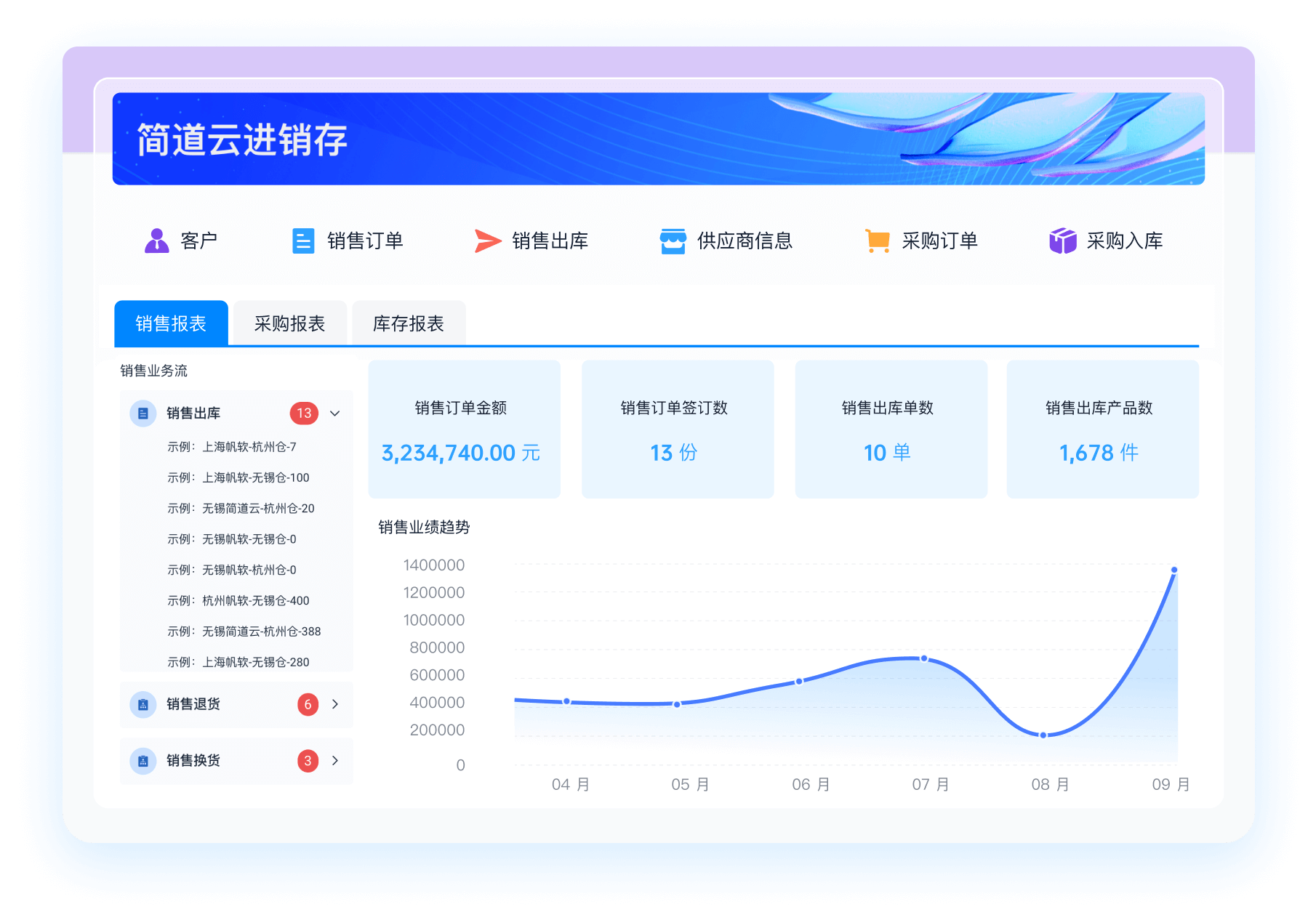
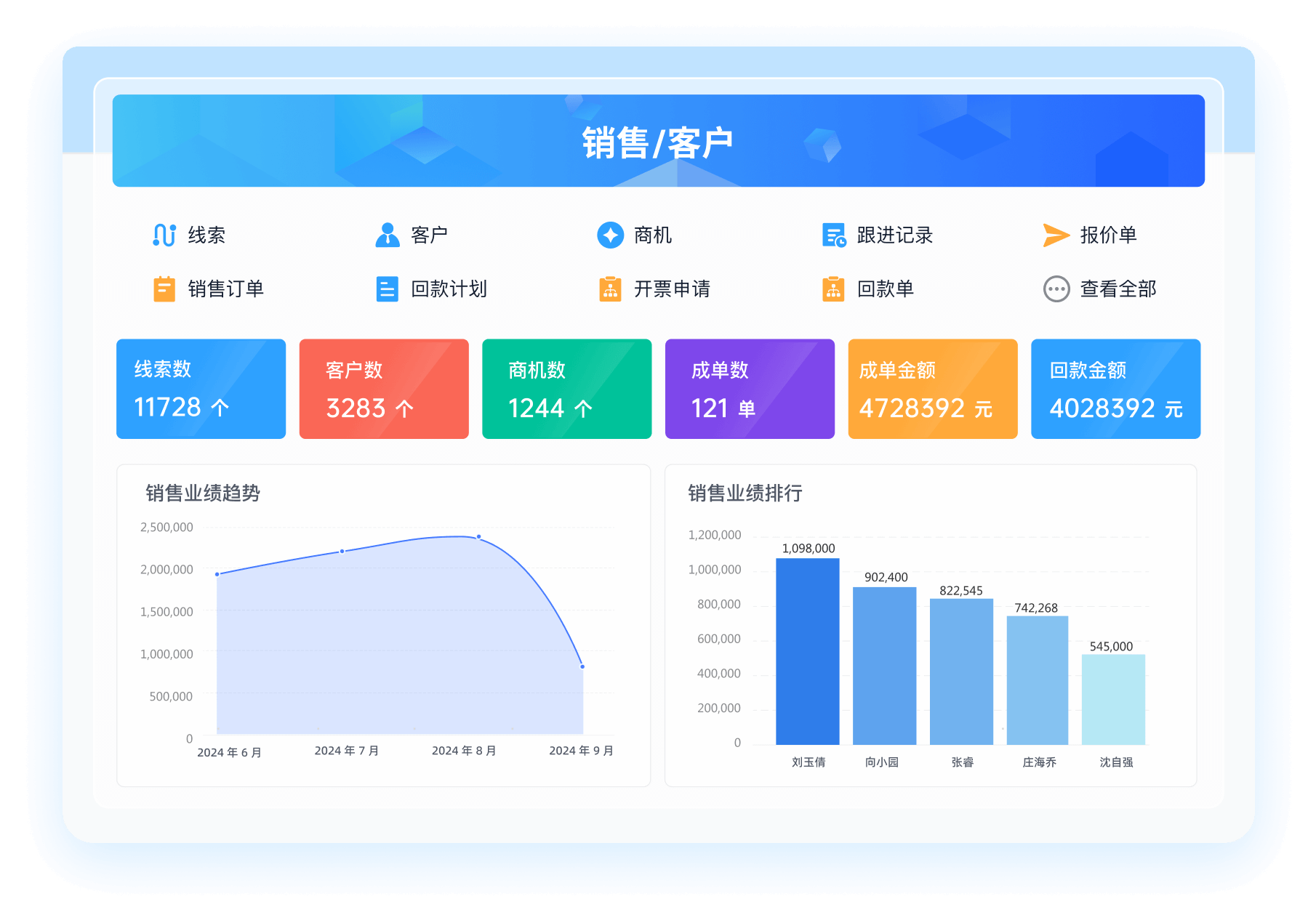
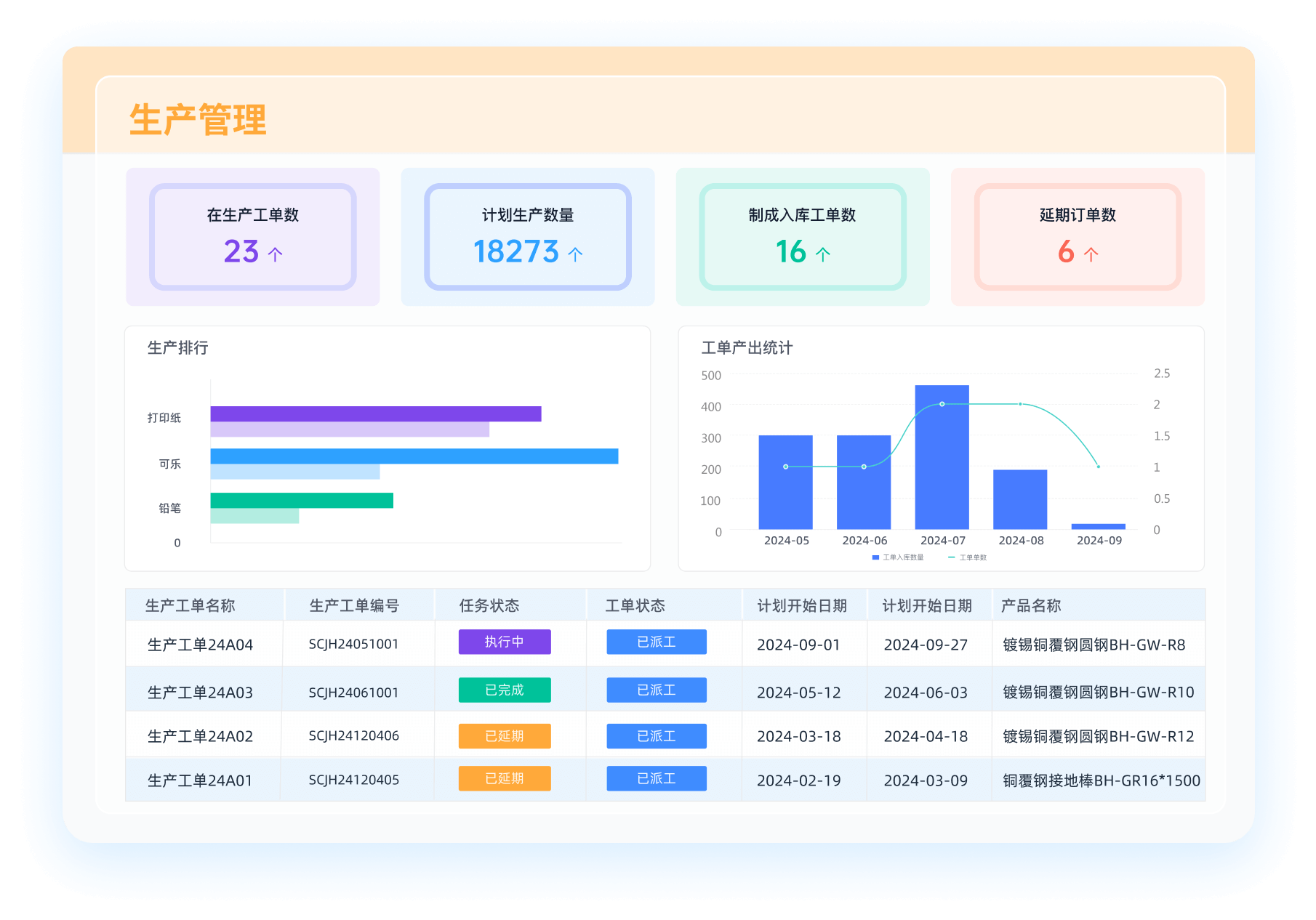
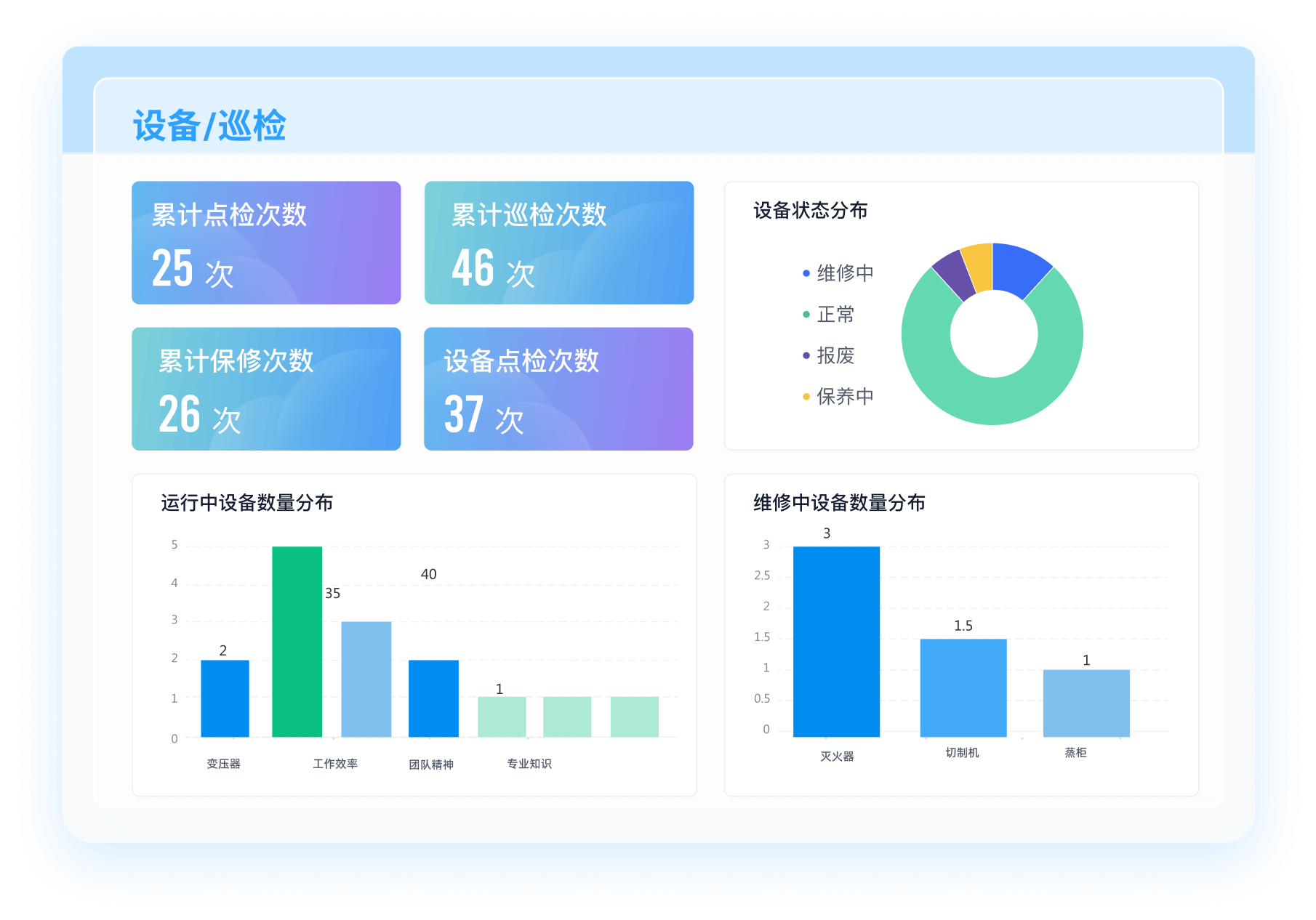
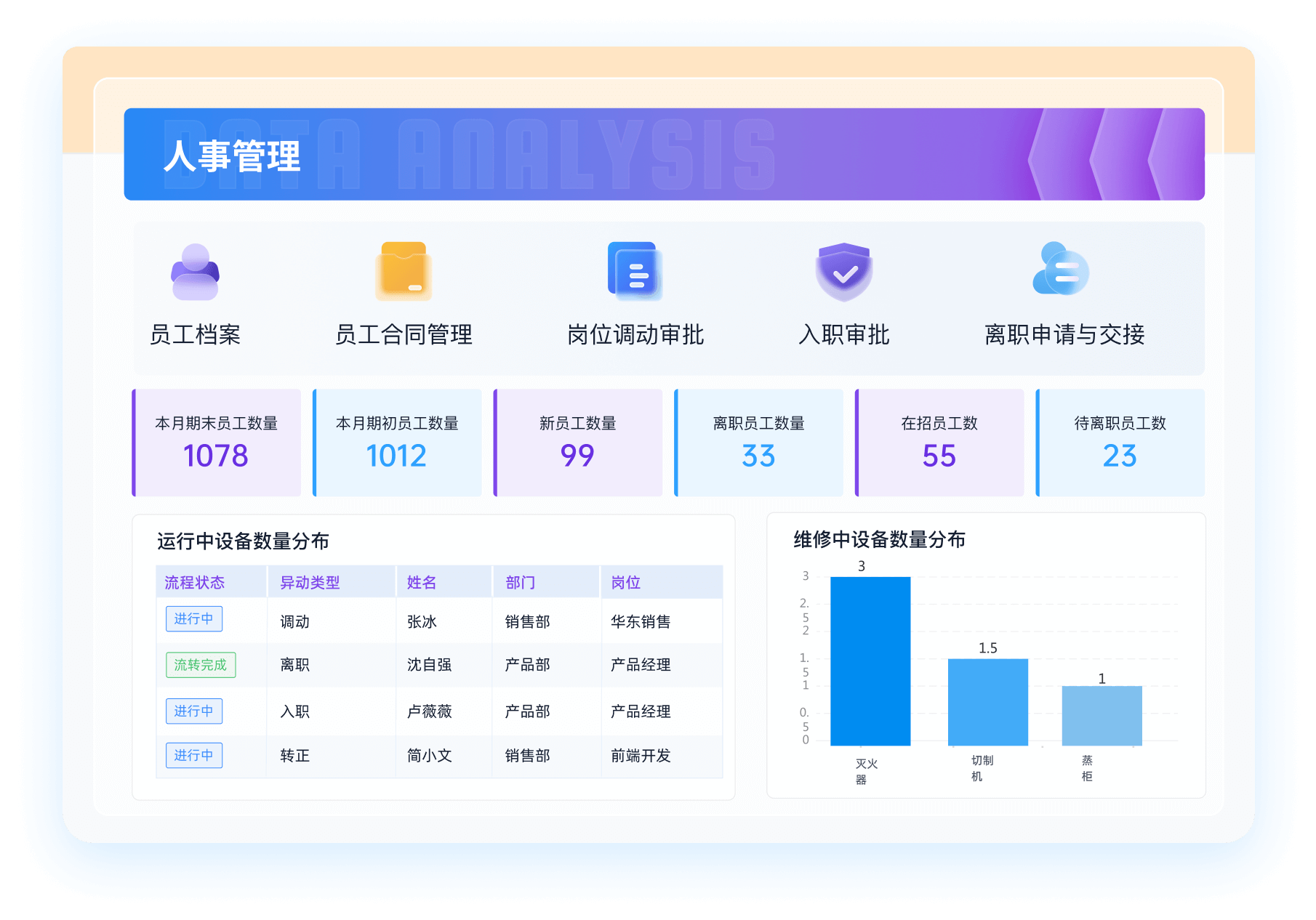
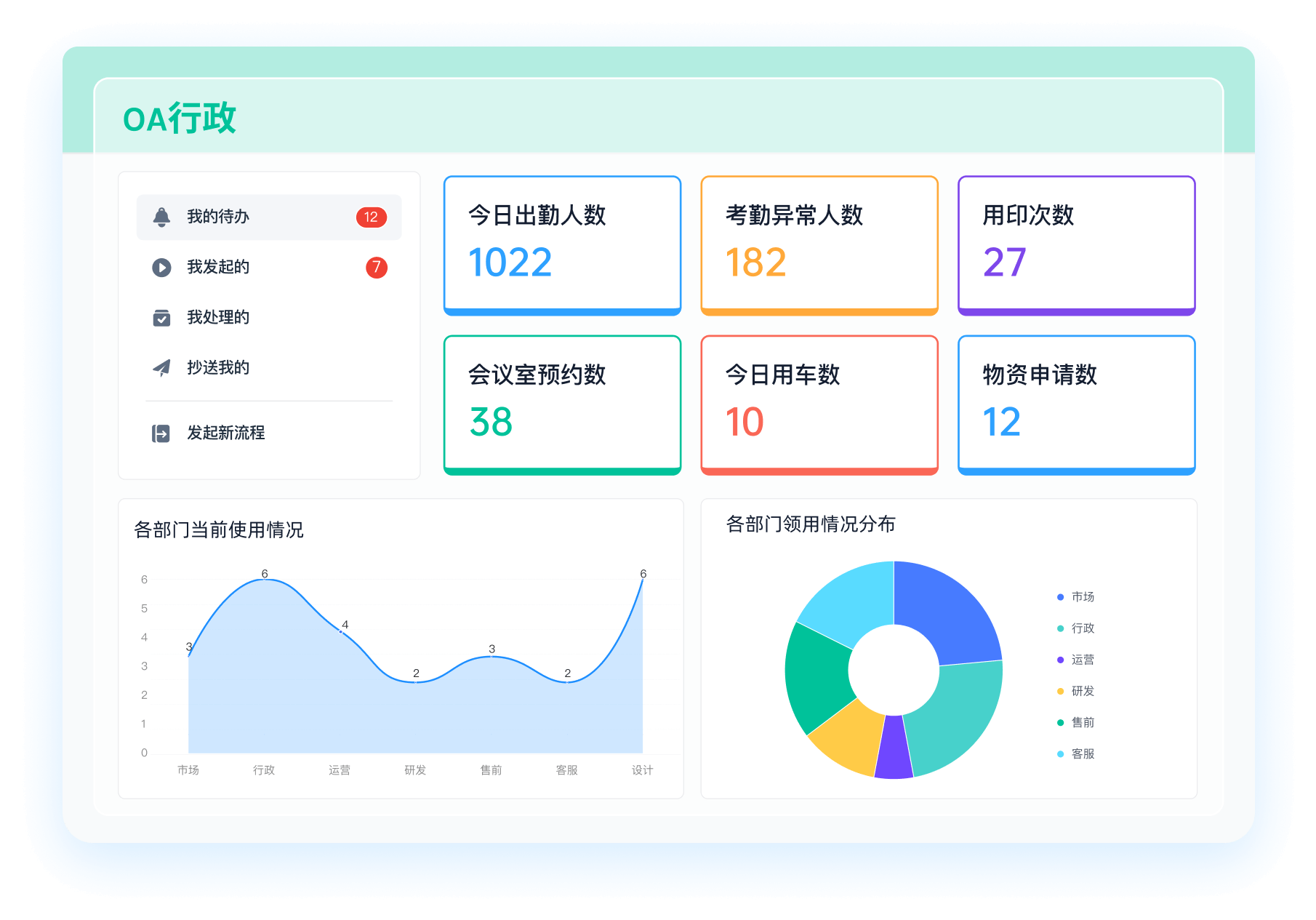
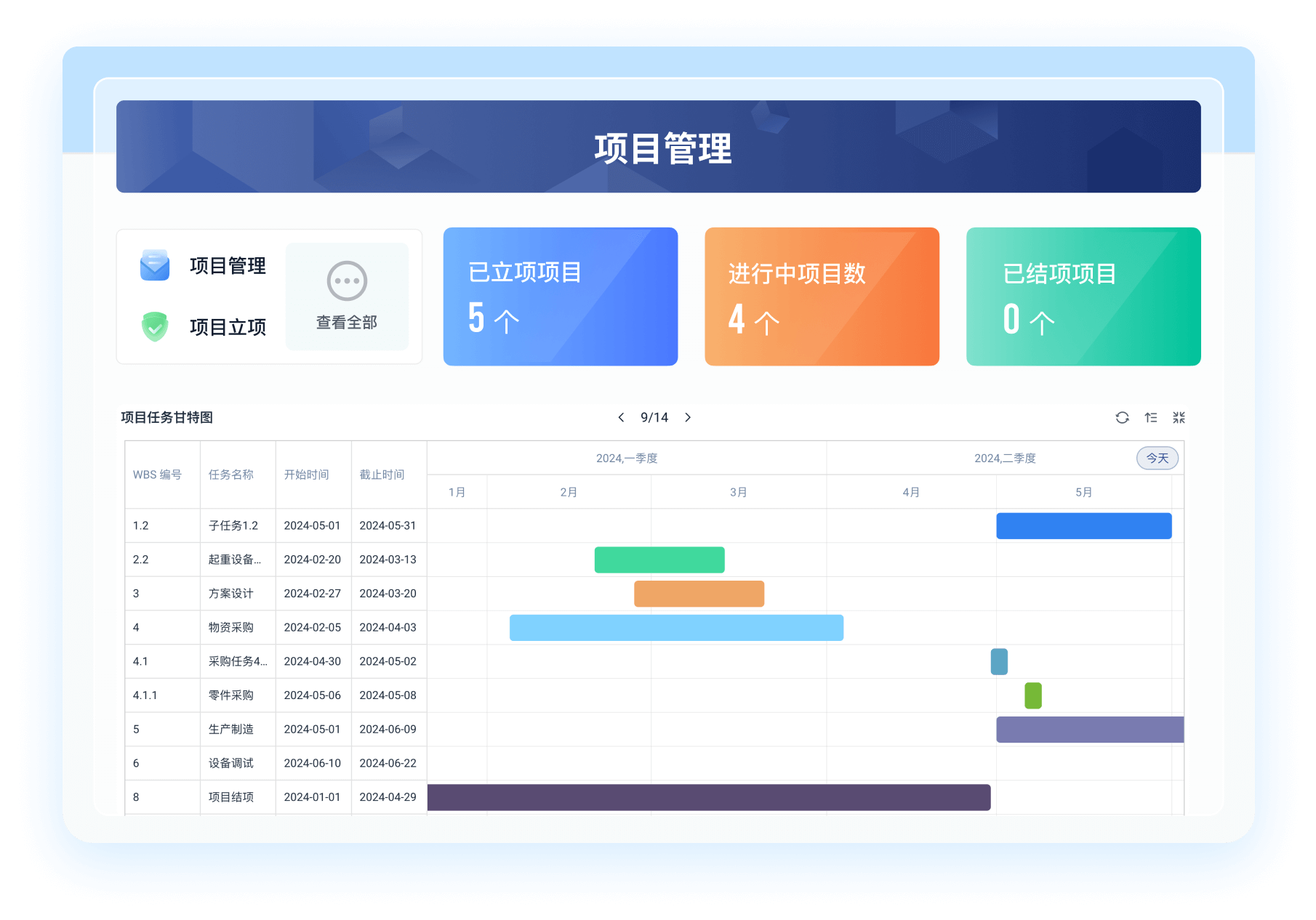
推荐一个好用的零代码开发平台,5分钟即可搭建一个管理软件:
地址: https://s.fanruan.com/x6aj1;
100+企业管理系统模板免费使用>>>无需下载,在线安装:
地址: https://s.fanruan.com/7wtn5;





































 《零代码开发知识图谱》
 《零代码
新动能》案例集
《零代码
新动能》案例集
 《企业零代码系统搭建指南》