
 阅读时间:8 分钟
  浏览量:8324次


一、实验设备管理系统c语言文档
实验设备管理系统是通过C语言编写的,其核心功能包括设备信息的添加、删除、修改、查询,设备的借用与归还管理,系统用户的权限管理,设备状态的实时监控。其中,设备信息管理是系统的基础功能,通过该功能可以对实验设备进行详细的管理,包括设备名称、型号、编号、购置日期、使用状态等信息的录入和维护。这不仅有助于实验室管理人员快速了解设备的基本情况,还能有效避免设备的重复采购与闲置浪费。接下来,我们将详细介绍实验设备管理系统的各个功能模块及其实现方法。
一、设备信息管理
设备信息管理是实验设备管理系统中最基础的模块。该模块主要包括设备信息的添加、删除、修改和查询功能。
设备信息添加:在设备购置后,管理人员需要将设备的详细信息录入系统。这包括设备名称、型号、编号、购置日期、使用状态等。通过C语言的结构体和文件操作,可以实现设备信息的录入和存储。
struct Device {
    char name[50];
    char model[50];
    char id[20];
    char purchaseDate[20];
    char status[20];
};
void addDevice() {
    struct Device newDevice;
    FILE *fp = fopen("devices.dat", "ab");
    printf("Enter device name: ");
    scanf("%s", newDevice.name);
    printf("Enter device model: ");
    scanf("%s", newDevice.model);
    printf("Enter device ID: ");
    scanf("%s", newDevice.id);
    printf("Enter purchase date: ");
    scanf("%s", newDevice.purchaseDate);
    printf("Enter device status: ");
    scanf("%s", newDevice.status);
    fwrite(&newDevice, sizeof(struct Device), 1, fp);
    fclose(fp);
}
设备信息删除:当设备不再使用或报废时,管理人员需要将其信息从系统中删除。可以通过设备编号或其他唯一标识来定位并删除设备信息。
void deleteDevice(char *id) {
    struct Device device;
    FILE *fp = fopen("devices.dat", "rb");
    FILE *temp = fopen("temp.dat", "wb");
    while (fread(&device, sizeof(struct Device), 1, fp)) {
        if (strcmp(device.id, id) != 0) {
            fwrite(&device, sizeof(struct Device), 1, temp);
        }
    }
    fclose(fp);
    fclose(temp);
    remove("devices.dat");
    rename("temp.dat", "devices.dat");
}
设备信息修改:管理人员可以对已有设备的信息进行修改,如设备状态、购置日期等。通过读取设备信息并修改后重新写入文件,可以实现该功能。
void modifyDevice(char *id) {
    struct Device device;
    FILE *fp = fopen("devices.dat", "rb+");
    while (fread(&device, sizeof(struct Device), 1, fp)) {
        if (strcmp(device.id, id) == 0) {
            printf("Enter new device status: ");
            scanf("%s", device.status);
            fseek(fp, -sizeof(struct Device), SEEK_CUR);
            fwrite(&device, sizeof(struct Device), 1, fp);
            break;
        }
    }
    fclose(fp);
}
设备信息查询:管理人员可以通过设备名称、型号或编号等条件查询设备的详细信息。通过遍历文件中的设备记录并匹配查询条件,可以实现该功能。
void searchDevice(char *name) {
    struct Device device;
    FILE *fp = fopen("devices.dat", "rb");
    while (fread(&device, sizeof(struct Device), 1, fp)) {
        if (strcmp(device.name, name) == 0) {
            printf("Device Name: %s\n", device.name);
            printf("Device Model: %s\n", device.model);
            printf("Device ID: %s\n", device.id);
            printf("Purchase Date: %s\n", device.purchaseDate);
            printf("Device Status: %s\n", device.status);
            break;
        }
    }
    fclose(fp);
}
二、设备借用与归还管理
设备借用与归还管理是实验设备管理系统的重要功能模块。该模块主要包括设备的借用登记、归还登记和借用记录查询功能。
设备借用登记:当实验人员需要借用设备时,需要登记设备的借用信息,包括借用人、借用日期、预计归还日期等。通过修改设备状态并记录借用信息,可以实现该功能。
struct BorrowRecord {
    char deviceId[20];
    char borrower[50];
    char borrowDate[20];
    char returnDate[20];
};
void borrowDevice(char *id, char *borrower, char *borrowDate, char *returnDate) {
    struct Device device;
    struct BorrowRecord record;
    FILE *fp = fopen("devices.dat", "rb+");
    FILE *borrowFp = fopen("borrow_records.dat", "ab");
    while (fread(&device, sizeof(struct Device), 1, fp)) {
        if (strcmp(device.id, id) == 0 && strcmp(device.status, "available") == 0) {
            strcpy(device.status, "borrowed");
            fseek(fp, -sizeof(struct Device), SEEK_CUR);
            fwrite(&device, sizeof(struct Device), 1, fp);
            strcpy(record.deviceId, id);
            strcpy(record.borrower, borrower);
            strcpy(record.borrowDate, borrowDate);
            strcpy(record.returnDate, returnDate);
            fwrite(&record, sizeof(struct BorrowRecord), 1, borrowFp);
            break;
        }
    }
    fclose(fp);
    fclose(borrowFp);
}
设备归还登记:当设备归还时,需要更新设备的状态并记录归还信息。通过修改设备状态并删除或更新借用记录,可以实现该功能。
void returnDevice(char *id) {
    struct Device device;
    struct BorrowRecord record;
    FILE *fp = fopen("devices.dat", "rb+");
    FILE *borrowFp = fopen("borrow_records.dat", "rb");
    FILE *tempFp = fopen("temp.dat", "wb");
    while (fread(&device, sizeof(struct Device), 1, fp)) {
        if (strcmp(device.id, id) == 0 && strcmp(device.status, "borrowed") == 0) {
            strcpy(device.status, "available");
            fseek(fp, -sizeof(struct Device), SEEK_CUR);
            fwrite(&device, sizeof(struct Device), 1, fp);
        }
    }
    while (fread(&record, sizeof(struct BorrowRecord), 1, borrowFp)) {
        if (strcmp(record.deviceId, id) != 0) {
            fwrite(&record, sizeof(struct BorrowRecord), 1, tempFp);
        }
    }
    fclose(fp);
    fclose(borrowFp);
    fclose(tempFp);
    remove("borrow_records.dat");
    rename("temp.dat", "borrow_records.dat");
}
借用记录查询:管理人员可以通过设备编号或借用人等条件查询设备的借用记录。通过遍历借用记录文件并匹配查询条件,可以实现该功能。
void searchBorrowRecord(char *deviceId) {
    struct BorrowRecord record;
    FILE *fp = fopen("borrow_records.dat", "rb");
    while (fread(&record, sizeof(struct BorrowRecord), 1, fp)) {
        if (strcmp(record.deviceId, deviceId) == 0) {
            printf("Device ID: %s\n", record.deviceId);
            printf("Borrower: %s\n", record.borrower);
            printf("Borrow Date: %s\n", record.borrowDate);
            printf("Return Date: %s\n", record.returnDate);
            break;
        }
    }
    fclose(fp);
}
三、系统用户权限管理
系统用户权限管理是实验设备管理系统的安全保障模块。该模块主要包括用户注册、登录和权限分配功能。
用户注册:新用户可以通过注册功能创建系统账户,包括用户名、密码和权限等级等信息。通过C语言的结构体和文件操作,可以实现用户信息的录入和存储。
struct User {
    char username[50];
    char password[50];
    int role; // 0 for admin, 1 for user
};
void registerUser(char *username, char *password, int role) {
    struct User newUser;
    FILE *fp = fopen("users.dat", "ab");
    strcpy(newUser.username, username);
    strcpy(newUser.password, password);
    newUser.role = role;
    fwrite(&newUser, sizeof(struct User), 1, fp);
    fclose(fp);
}
用户登录:用户可以通过登录功能进入系统,系统会验证用户的用户名和密码,并根据用户的权限等级进行相应的操作。
int loginUser(char *username, char *password) {
    struct User user;
    FILE *fp = fopen("users.dat", "rb");
    while (fread(&user, sizeof(struct User), 1, fp)) {
        if (strcmp(user.username, username) == 0 && strcmp(user.password, password) == 0) {
            fclose(fp);
            return user.role;
        }
    }
    fclose(fp);
    return -1; // login failed
}
权限分配:系统管理员可以对用户的权限进行管理,分配或调整用户的权限等级,以确保系统的安全和正常运行。
void changeUserRole(char *username, int newRole) {
    struct User user;
    FILE *fp = fopen("users.dat", "rb+");
    while (fread(&user, sizeof(struct User), 1, fp)) {
        if (strcmp(user.username, username) == 0) {
            user.role = newRole;
            fseek(fp, -sizeof(struct User), SEEK_CUR);
            fwrite(&user, sizeof(struct User), 1, fp);
            break;
        }
    }
    fclose(fp);
}
四、设备状态实时监控
设备状态实时监控是实验设备管理系统的高级功能模块。该模块主要包括设备状态的实时更新和监控报警功能。
设备状态实时更新:系统需要实时更新设备的使用状态,以确保设备信息的准确性。通过定时任务或设备状态变化时触发更新,可以实现该功能。
void updateDeviceStatus(char *id, char *newStatus) {
    struct Device device;
    FILE *fp = fopen("devices.dat", "rb+");
    while (fread(&device, sizeof(struct Device), 1, fp)) {
        if (strcmp(device.id, id) == 0) {
            strcpy(device.status, newStatus);
            fseek(fp, -sizeof(struct Device), SEEK_CUR);
            fwrite(&device, sizeof(struct Device), 1, fp);
            break;
        }
    }
    fclose(fp);
}
监控报警功能:当设备出现异常状态或超过使用期限时,系统需要发出报警提示。通过定时检查设备状态和使用期限,可以实现该功能。
void monitorDevices() {
    struct Device device;
    FILE *fp = fopen("devices.dat", "rb");
    time_t now = time(NULL);
    struct tm *now_tm = localtime(&now);
    char currentDate[20];
    strftime(currentDate, sizeof(currentDate), "%Y-%m-%d", now_tm);
    while (fread(&device, sizeof(struct Device), 1, fp)) {
        if (strcmp(device.status, "faulty") == 0 || strcmp(device.purchaseDate, currentDate) < 0) {
            printf("Alert: Device %s (%s) requires attention!\n", device.name, device.id);
        }
    }
    fclose(fp);
}
实验设备管理系统通过上述功能模块的实现,可以有效地管理实验设备的信息、使用和状态,确保实验室设备的高效利用和安全运行。通过合理的用户权限管理和设备状态监控,系统能够提供强大的安全保障和实时的设备状态反馈,为实验室管理人员提供有力的支持。
相关问答FAQs:
实验设备管理系统C语言文档
一、引言
实验设备管理系统是一种用于管理和维护实验室设备的软件系统。其主要功能包括设备信息的录入、查询、更新、删除、借用和归还等。通过对设备的有效管理,可以提高实验室的使用效率,减少设备闲置和损坏的风险。
二、系统需求分析
在开发实验设备管理系统之前,需要对系统的功能需求进行分析。主要功能包括:
- 设备信息管理:支持设备信息的增、删、改、查。
- 借用管理:记录设备的借用和归还情况。
- 统计分析:对设备的使用情况进行统计,生成相关报告。
- 用户管理:管理用户的权限和信息。
三、系统设计
- 系统架构:采用模块化设计,主要分为用户界面模块、设备管理模块、借用管理模块和统计分析模块。
- 数据结构设计:
- 设备信息结构体:
struct Device { int id; // 设备ID char name[50]; // 设备名称 char type[30]; // 设备类型 int status; // 设备状态 (0: 可用, 1: 借出) char borrower[50]; // 借用者 char borrowDate[11]; // 借用日期 }; - 用户信息结构体:
struct User {
    int userId;            // 用户ID
    char username[50];     // 用户名
    char password[50];     // 密码
    int role;              // 用户角色 (0: 管理员, 1: 普通用户)
};
- 设备信息结构体:
四、系统功能模块
-
设备信息管理模块:
-
添加设备:
void addDevice() { struct Device newDevice; printf("请输入设备ID: "); scanf("%d", &newDevice.id); printf("请输入设备名称: "); scanf("%s", newDevice.name); printf("请输入设备类型: "); scanf("%s", newDevice.type); newDevice.status = 0; // 默认可用 // 将新设备信息保存到文件或数据库 } -
查询设备:
void queryDevice() { int id; printf("请输入设备ID查询: "); scanf("%d", &id); // 从文件或数据库中读取设备信息并显示 } -
删除设备:
void deleteDevice() {
    int id;
    printf("请输入设备ID删除: ");
    scanf("%d", &id);
    // 从文件或数据库中删除设备信息
}
-
-
借用管理模块:
-
借用设备:
void borrowDevice() { int id; printf("请输入设备ID借用: "); scanf("%d", &id); // 更新设备状态为借出,并记录借用者信息和日期 } -
归还设备:
void returnDevice() {
    int id;
    printf("请输入设备ID归还: ");
    scanf("%d", &id);
    // 更新设备状态为可用,并清除借用者信息
}
-
-
统计分析模块:
- 统计设备使用情况:
void statistics() {
    // 读取设备信息并统计借用次数及使用率
}
- 统计设备使用情况:
-
用户管理模块:
- 用户登录:
void login() {
    char username[50], password[50];
    printf("请输入用户名: ");
    scanf("%s", username);
    printf("请输入密码: ");
    scanf("%s", password);
    // 验证用户名和密码
}
- 用户登录:
五、系统实现
在C语言中实现上述功能模块时,可以采用文件存储或数据库存储的方式来持久化数据。文件存储相对简单,适合小型系统,而数据库存储则适用于大型系统。
六、测试与维护
系统开发完成后,需要对各个功能模块进行全面测试,确保系统的稳定性和可靠性。同时,定期进行系统维护,及时修复bug,更新设备信息。
七、结论
实验设备管理系统在实验室管理中发挥着重要作用。通过对设备信息的有效管理,可以提高实验室的使用效率,降低设备损坏的风险。同时,系统的可扩展性和易维护性也是其重要特性。
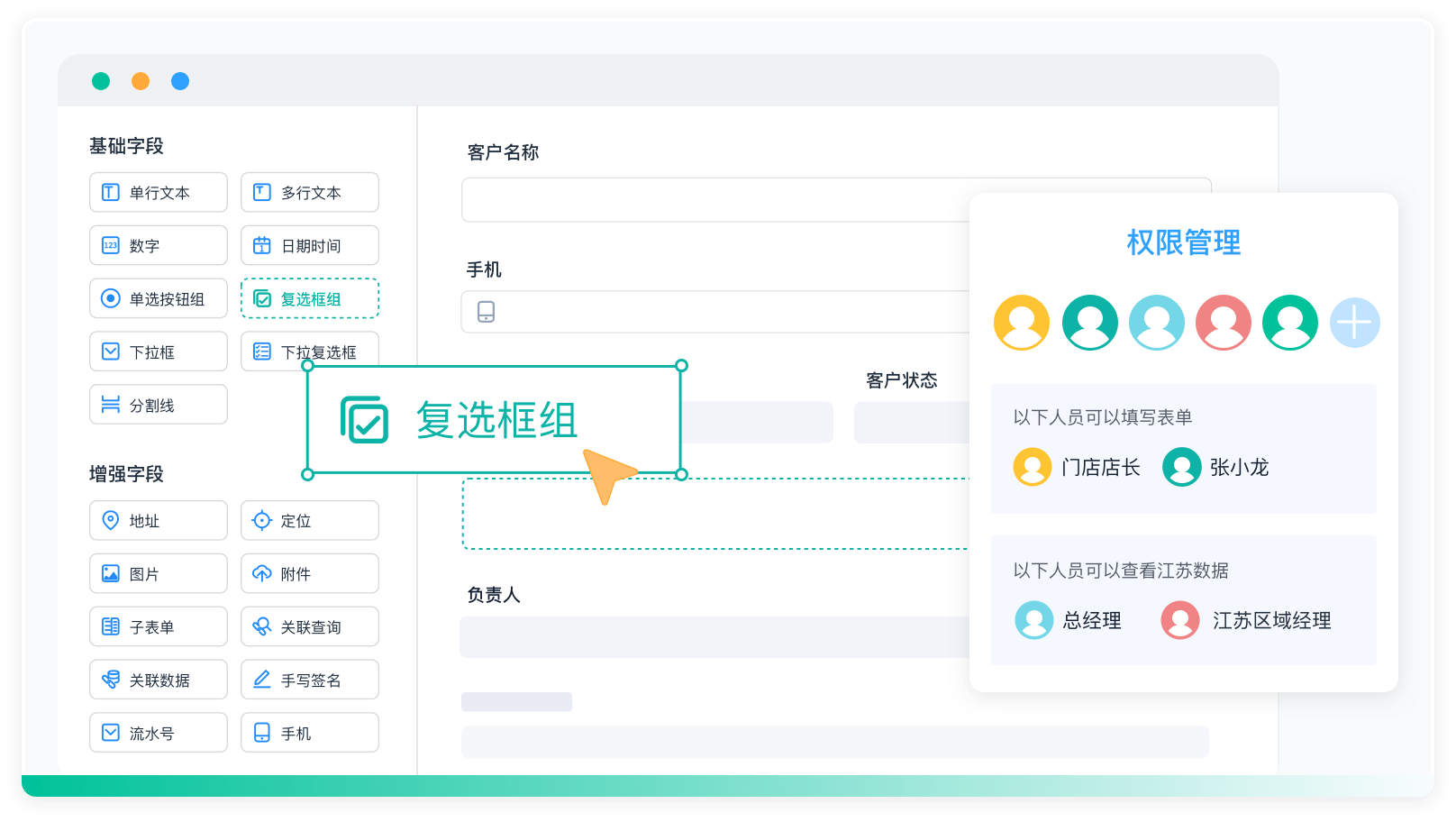
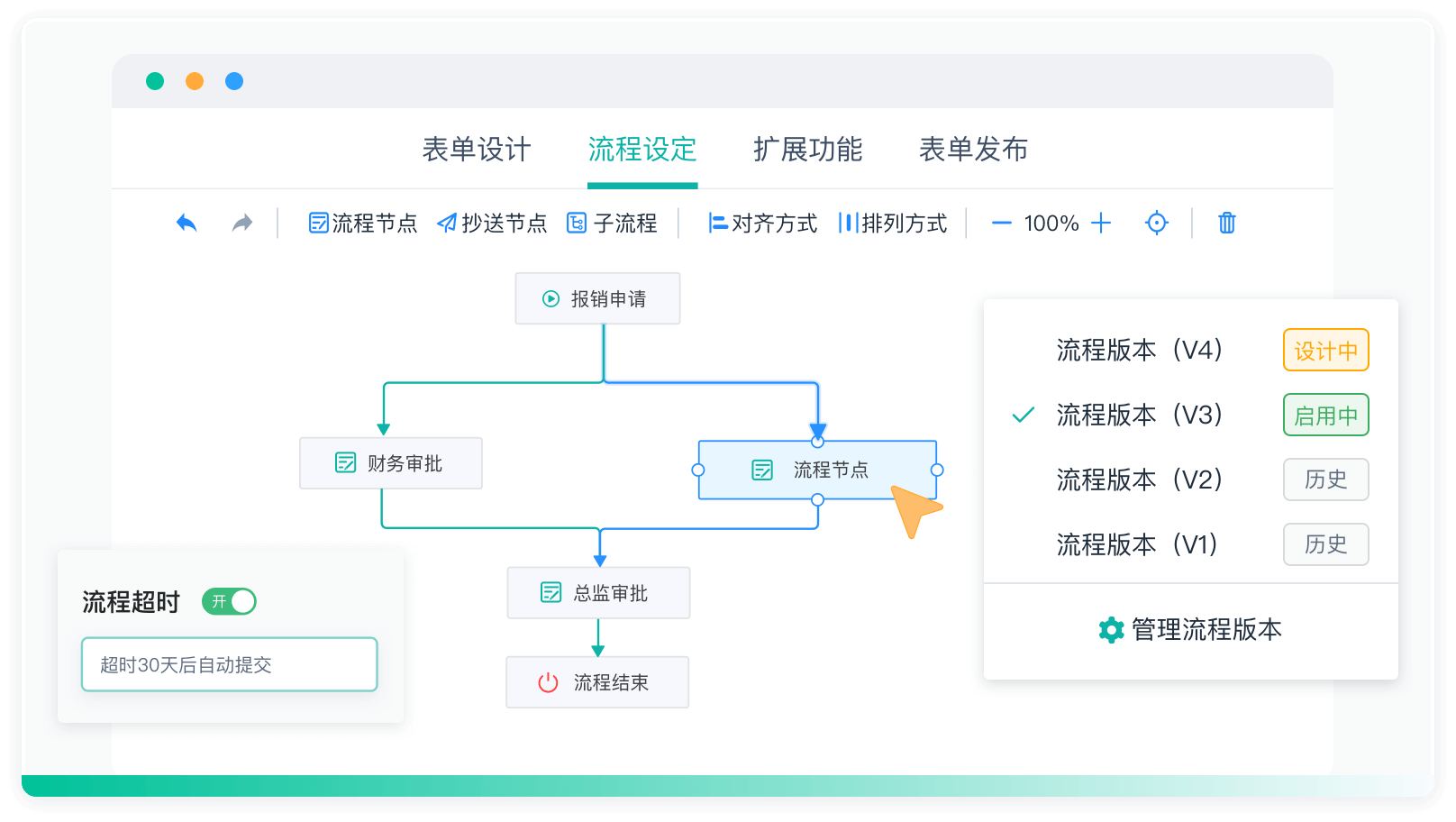
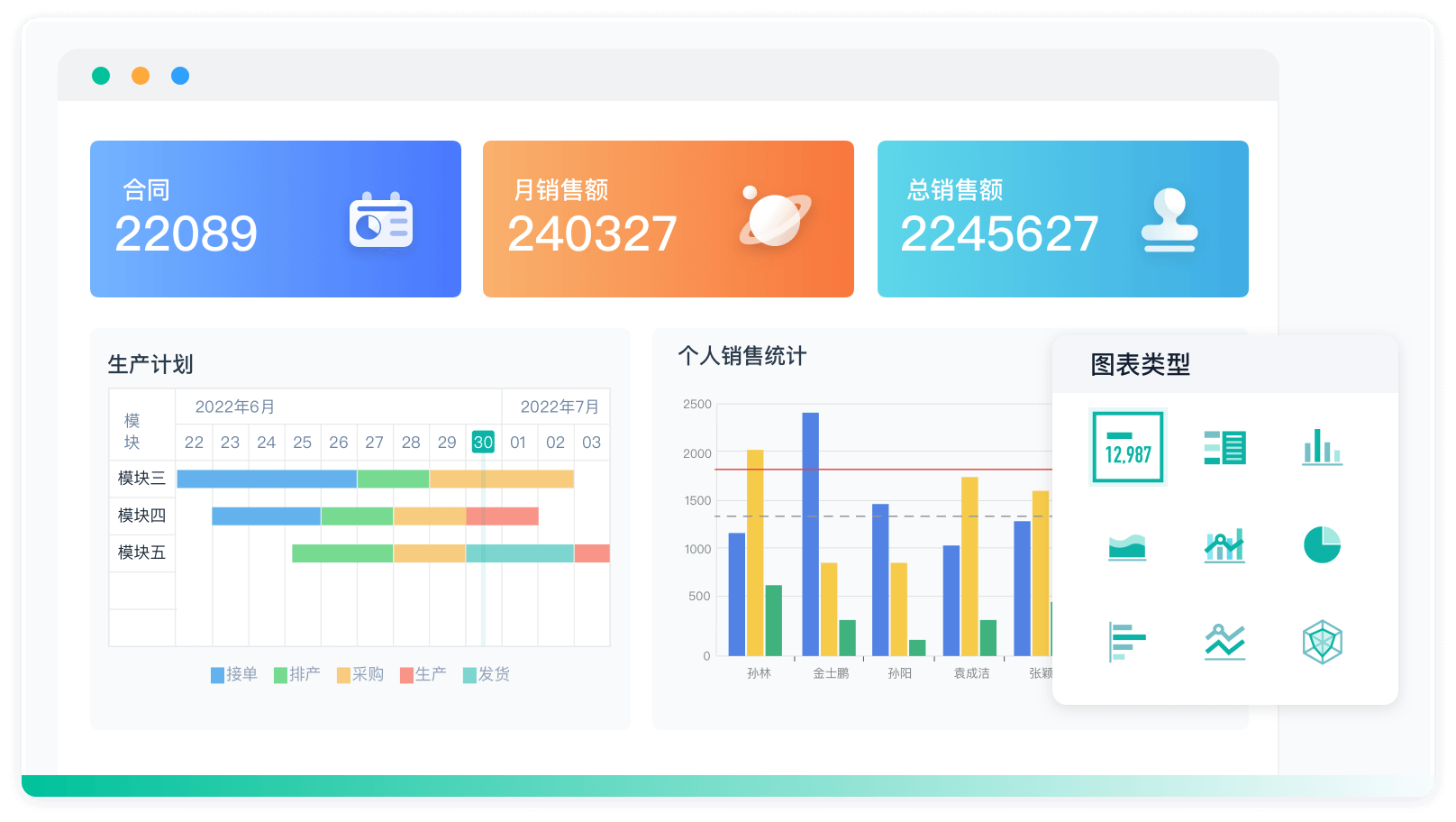
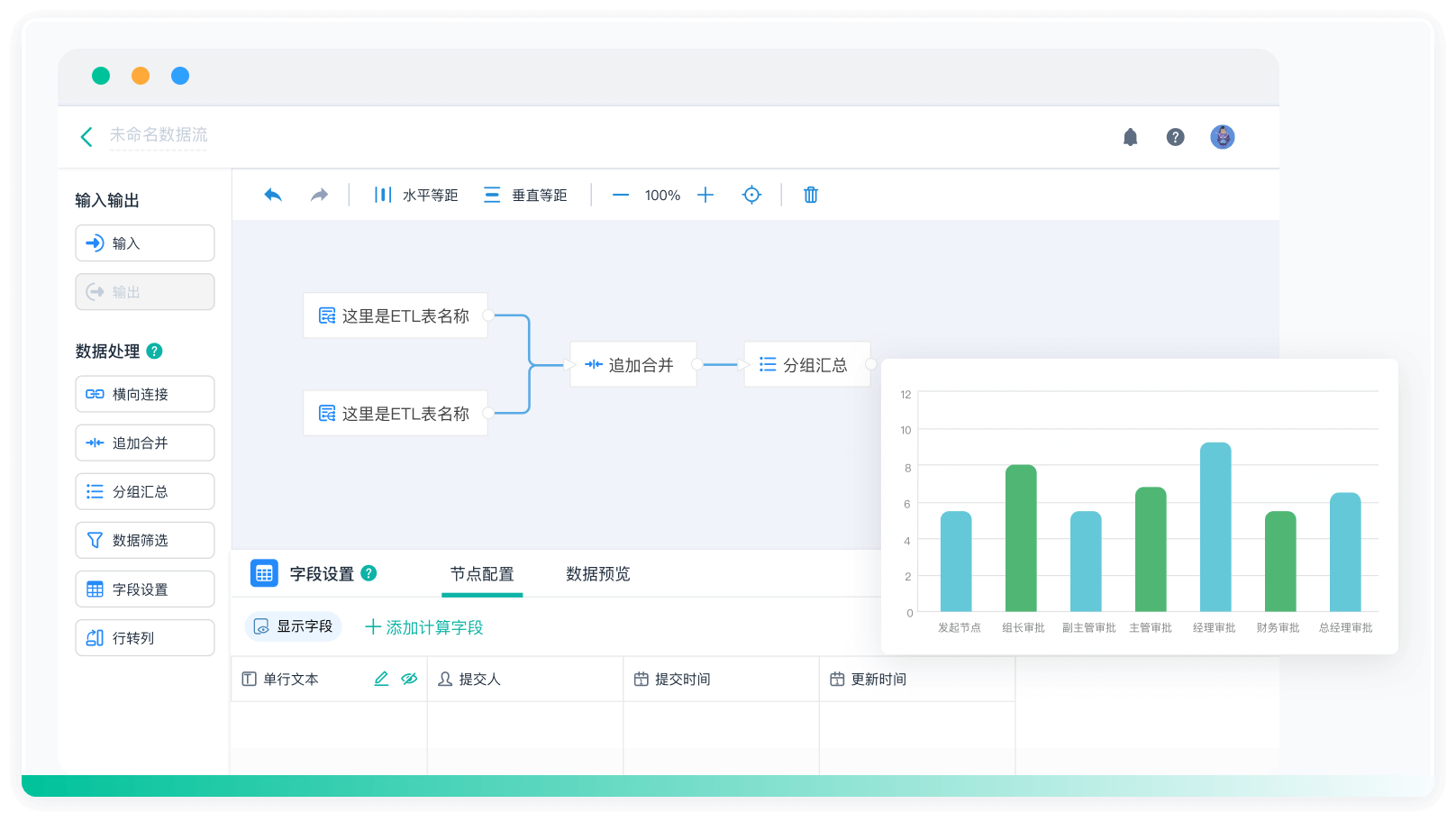
推荐一个好用的零代码开发平台,5分钟即可搭建一个管理软件:
地址: https://s.fanruan.com/x6aj1;
100+企业管理系统模板免费使用>>>无需下载,在线安装:
地址: https://s.fanruan.com/7wtn5;































































 《零代码开发知识图谱》
 《零代码
新动能》案例集
《零代码
新动能》案例集
 《企业零代码系统搭建指南》