 阅读时间:5 分钟
  浏览量:5668次


The English name for an equipment management system is "Equipment Management System (EMS)". The term "Equipment Management System" covers various aspects such as tracking, maintenance, and lifecycle management. A detailed example of the tracking aspect includes monitoring equipment locations, usage, and performance metrics to ensure optimal operation and timely maintenance.
一、TRACKING EQUIPMENT
An Equipment Management System (EMS) includes functionalities to track the location and usage of equipment. Tracking is crucial for industries where equipment is frequently moved or shared among different departments or locations. It helps in reducing the risk of equipment loss, optimizing usage, and ensuring accountability. Advanced EMS solutions use technologies like RFID, GPS, and IoT sensors to provide real-time tracking information. This real-time data can be accessed through dashboards, providing a comprehensive view of equipment status, location, and usage patterns.
二、MAINTENANCE SCHEDULING
Maintenance scheduling is a critical component of EMS, ensuring that all equipment receives timely servicing. Preventive maintenance is planned and executed to prevent unexpected failures and extend the lifespan of equipment. EMS allows for the automation of maintenance schedules, sending alerts and reminders to technicians when equipment is due for service. By maintaining a detailed log of past maintenance activities, the system can help predict future maintenance needs and reduce downtime. Furthermore, integrating with mobile devices allows technicians to update maintenance records in real-time, ensuring that the system always has up-to-date information.
三、LIFECYCLE MANAGEMENT
Lifecycle management in an EMS involves overseeing the entire lifecycle of equipment from acquisition to disposal. This includes planning for procurement, monitoring the equipment’s operational efficiency, and managing end-of-life processes. The system can track performance metrics to identify when equipment is no longer cost-effective to maintain and should be replaced. By analyzing historical data, organizations can make informed decisions about when to upgrade or retire equipment. Proper lifecycle management helps in maximizing the return on investment (ROI) and reducing total cost of ownership (TCO).
四、ASSET ACCOUNTABILITY AND REPORTING
EMS provides robust asset accountability features, ensuring that all equipment is accounted for and properly utilized. Detailed reporting capabilities allow managers to generate reports on equipment status, utilization rates, maintenance history, and financial aspects. These reports are essential for audits, compliance, and strategic planning. By having accurate and comprehensive data, organizations can improve transparency and make data-driven decisions. Additionally, EMS can integrate with other enterprise systems such as ERP and CMMS to provide a unified view of all organizational assets.
五、COST MANAGEMENT
Cost management is another significant benefit of using an EMS. Tracking expenses associated with equipment, including purchase costs, maintenance, repairs, and operational costs, helps in budgeting and financial planning. The system can identify high-cost equipment and suggest alternatives or improvements to reduce expenses. By optimizing equipment usage and maintenance, organizations can achieve cost savings and improve their bottom line. Moreover, cost analysis features enable managers to evaluate the cost-effectiveness of different equipment types and brands, leading to better procurement decisions.
六、USER TRAINING AND COMPLIANCE
EMS often includes features to manage user training and ensure compliance with industry regulations. Tracking user certifications and training schedules ensures that only qualified personnel operate specific equipment, reducing the risk of accidents and improving safety. Compliance management features help in adhering to industry standards and regulations, avoiding fines and legal issues. The system can store documentation and certifications, providing easy access for audits and inspections. By maintaining a high level of compliance, organizations can enhance their reputation and operational efficiency.
七、INTEGRATION WITH OTHER SYSTEMS
An effective EMS should integrate seamlessly with other enterprise systems to provide a holistic view of operations. Integration with ERP, CMMS, and other management systems ensures data consistency and streamlines workflows. For example, integrating EMS with an ERP system can synchronize financial data, improving budget accuracy and financial reporting. Similarly, integration with CMMS enhances maintenance management by combining equipment tracking with maintenance schedules and records. This interoperability ensures that all departments have access to accurate and up-to-date information, facilitating better decision-making and coordination.
八、SCALABILITY AND CUSTOMIZATION
Scalability is an essential feature of modern EMS solutions, allowing the system to grow with the organization. Scalable EMS can accommodate increasing amounts of equipment and users without compromising performance. Customization options enable organizations to tailor the system to their specific needs, adding or modifying features as required. This flexibility ensures that the EMS remains relevant and useful as organizational needs evolve. Additionally, cloud-based EMS solutions offer scalability benefits, providing on-demand resources and eliminating the need for significant upfront investments in hardware and infrastructure.
九、DATA ANALYTICS AND PREDICTIVE MAINTENANCE
Advanced EMS solutions incorporate data analytics and predictive maintenance capabilities. Data analytics provides insights into equipment performance, usage patterns, and maintenance needs, enabling organizations to optimize their operations. Predictive maintenance uses machine learning algorithms to analyze historical data and predict potential equipment failures before they occur. This proactive approach minimizes downtime and reduces maintenance costs by addressing issues before they become critical. By leveraging data analytics and predictive maintenance, organizations can enhance equipment reliability and operational efficiency.
十、SECURITY AND DATA PROTECTION
Security is a critical concern for any EMS, given the sensitive nature of equipment and operational data. Robust security features, including data encryption, user authentication, and access controls, protect against unauthorized access and data breaches. Regular security audits and updates ensure that the system remains secure against emerging threats. Additionally, data protection measures such as backups and disaster recovery plans ensure that data is not lost due to hardware failures or cyberattacks. By prioritizing security, organizations can safeguard their assets and maintain trust with stakeholders.
In conclusion, an Equipment Management System (EMS) provides comprehensive solutions for tracking, maintaining, and managing equipment throughout its lifecycle. With features like real-time tracking, maintenance scheduling, cost management, and data analytics, EMS helps organizations optimize equipment usage, reduce costs, and enhance operational efficiency. Its integration capabilities, scalability, and focus on security make it an indispensable tool for modern enterprises.
相关问答FAQs:
设备管理系统的英文名称是什么?
设备管理系统在英文中通常被称为“Equipment Management System”。这种系统的主要功能是帮助企业或组织有效地跟踪、管理和维护他们的设备和资产。设备管理系统可以涵盖从设备采购、库存管理、维护保养,到故障报告和设备报废的全过程,旨在提高设备的使用效率,降低运营成本。
在现代企业中,设备管理系统越来越受到重视,尤其是在制造业、建筑业和医院等行业。通过使用设备管理系统,企业可以实时监控设备的状态,及时进行维护和保养,从而避免设备故障带来的损失。
设备管理系统的主要功能有哪些?
设备管理系统通常具备多种功能,以满足不同企业的需求。以下是一些主要功能:
-
设备跟踪与管理:可以实时监控设备的位置、状态和使用情况,帮助企业及时了解设备的使用效率。
-
维护管理:系统可以记录每台设备的维护历史,并根据设备的使用情况自动生成维护提醒,确保设备始终处于良好状态。
-
库存管理:帮助企业管理备件和耗材的库存,确保在需要时能够及时获取所需物料,减少停工时间。
-
故障报告和处理:系统可以记录设备故障信息,并提供故障处理流程,帮助企业快速响应故障,减少停机时间。
-
报告与分析:提供数据分析功能,通过生成各种报告,帮助管理层做出更明智的决策,优化设备使用策略。
这些功能使得设备管理系统成为企业管理中不可或缺的一部分,帮助企业在激烈的市场竞争中提高效率和降低成本。
如何选择合适的设备管理系统?
选择合适的设备管理系统时,需要考虑多个因素,以确保系统能够满足企业的特定需求。以下是一些建议:
-
功能需求:首先要明确企业的具体需求,例如设备数量、管理复杂性等,选择具备相关功能的系统。
-
用户体验:系统的界面和操作流程应该简单易用,避免给员工带来额外的培训负担。
-
集成能力:选择能够与现有系统(如ERP、财务系统等)无缝集成的设备管理系统,以实现数据共享和流程优化。
-
成本:评估系统的成本,包括软件许可费、维护费和升级费,确保在预算范围内选择最合适的方案。
-
供应商支持:选择提供良好客户支持的供应商,以便在使用过程中能够及时获得帮助和解决方案。
通过综合考虑这些因素,企业可以找到最适合自己的设备管理系统,从而提升设备管理的效率和效果。
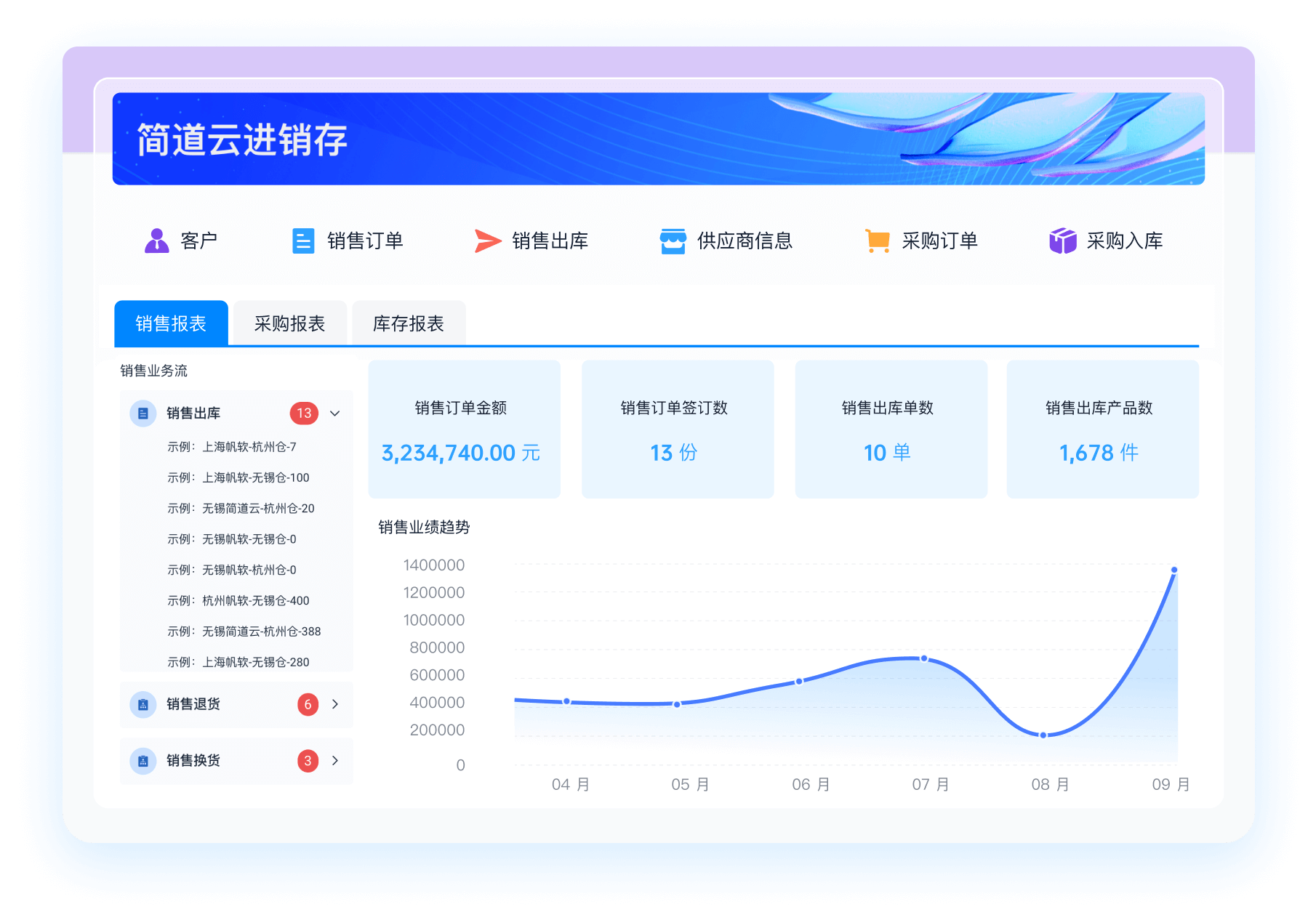
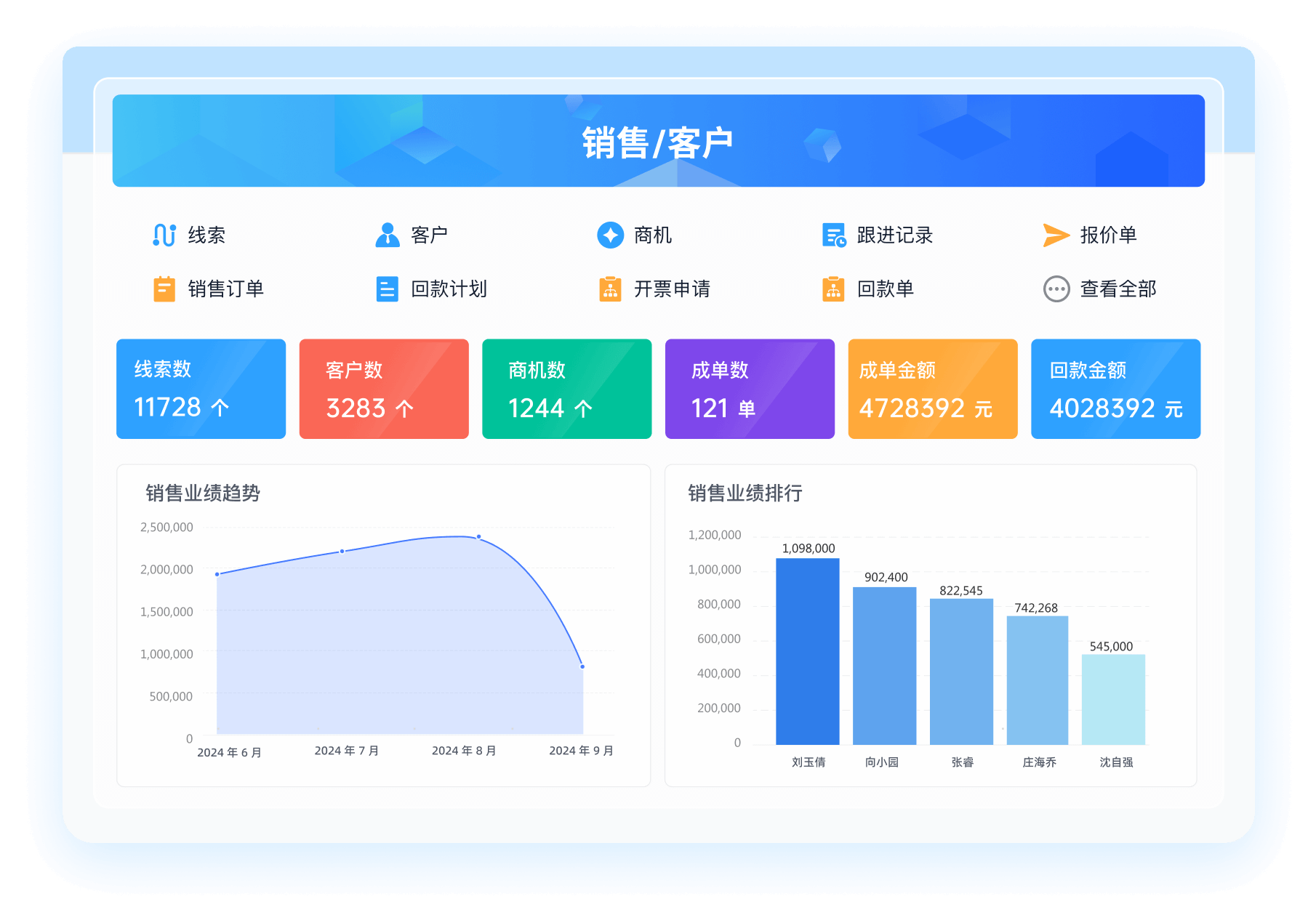
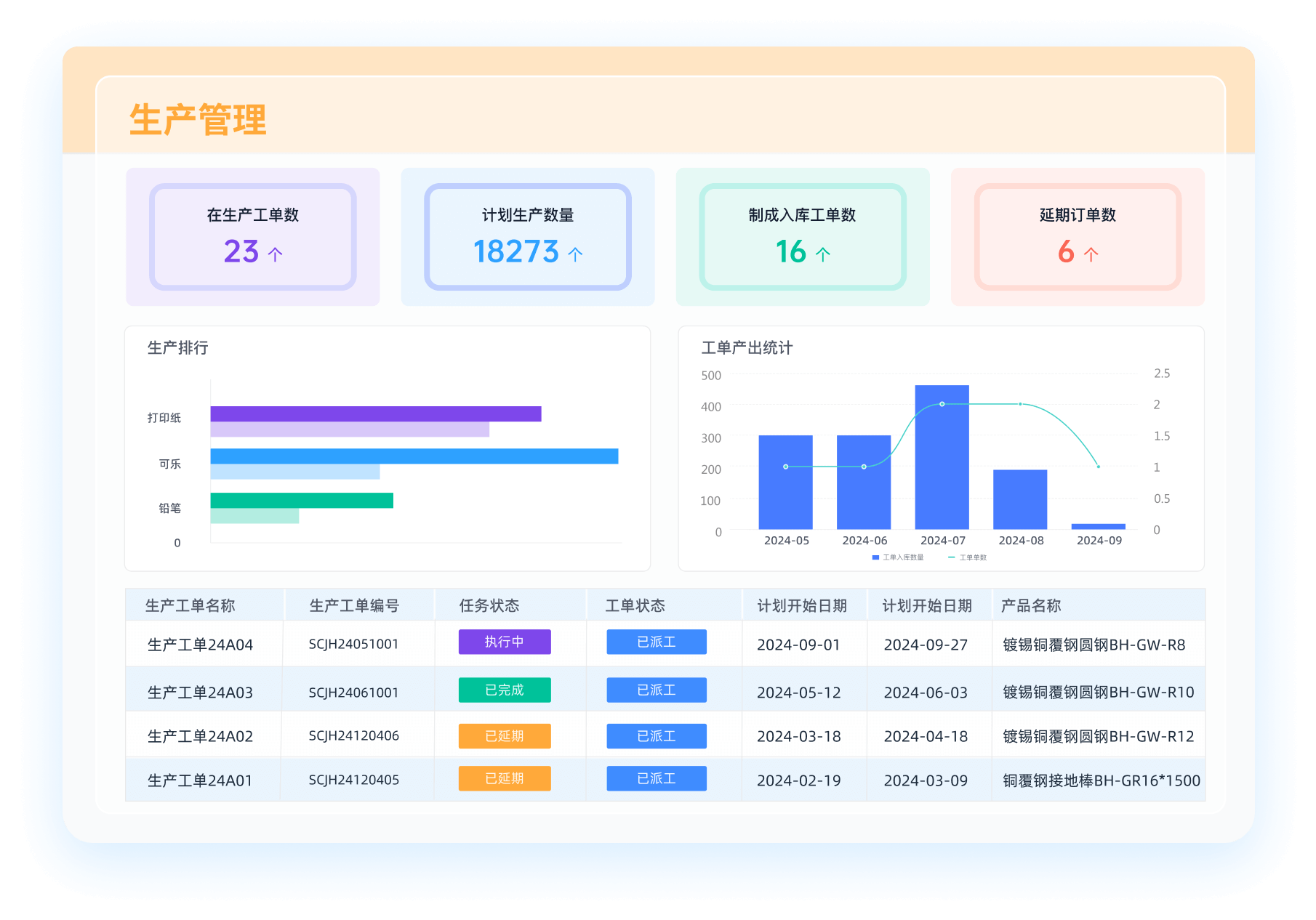
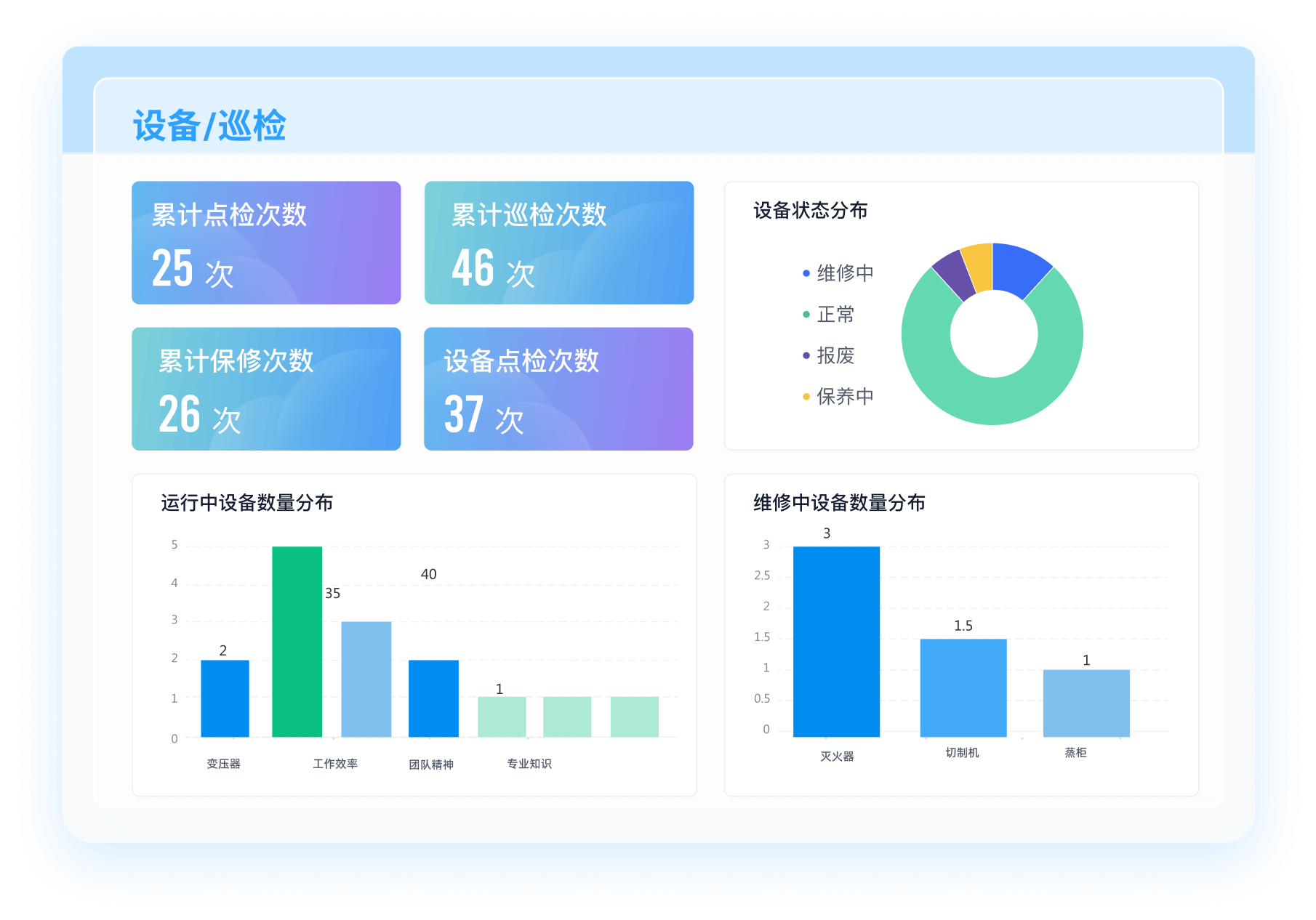
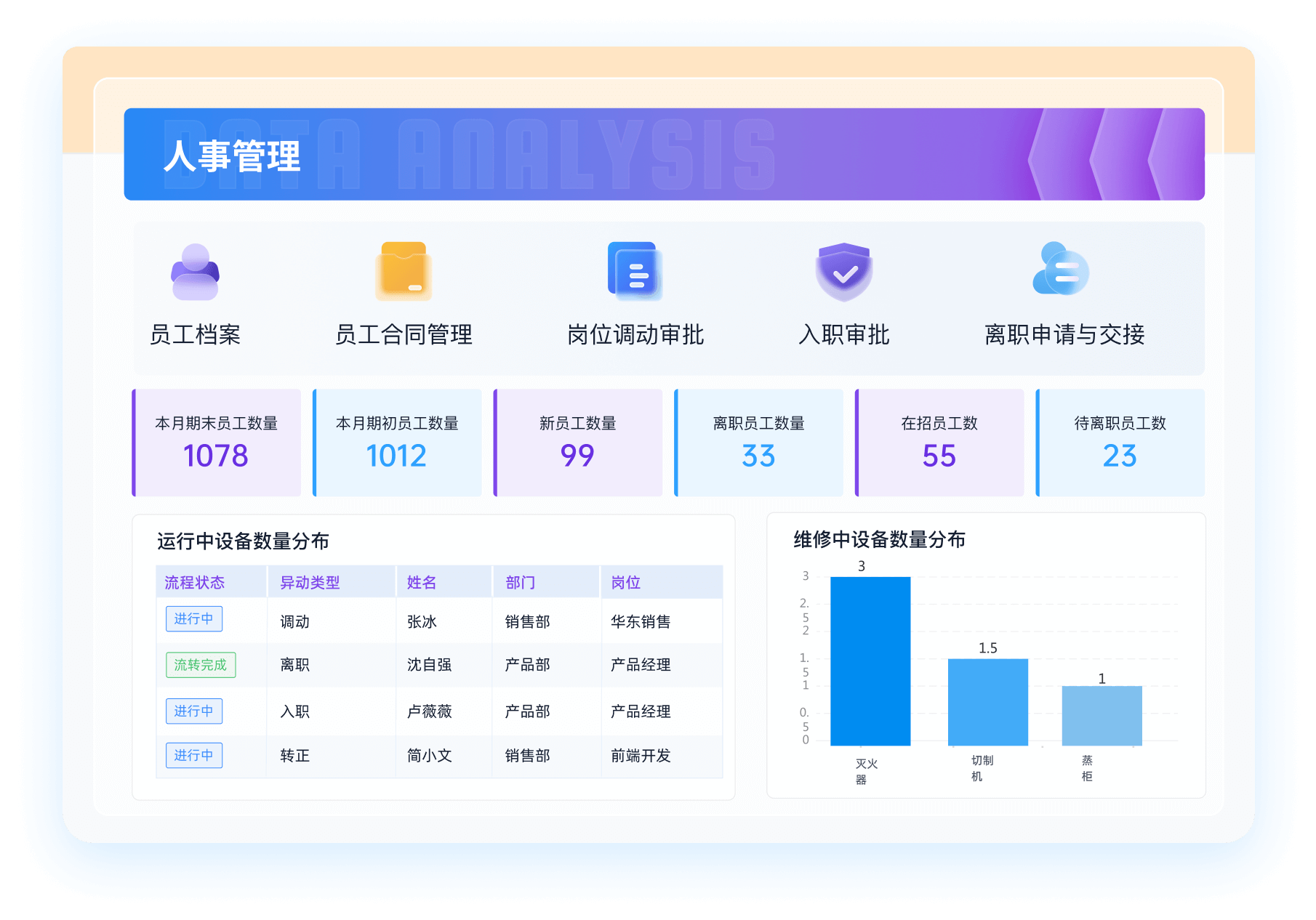
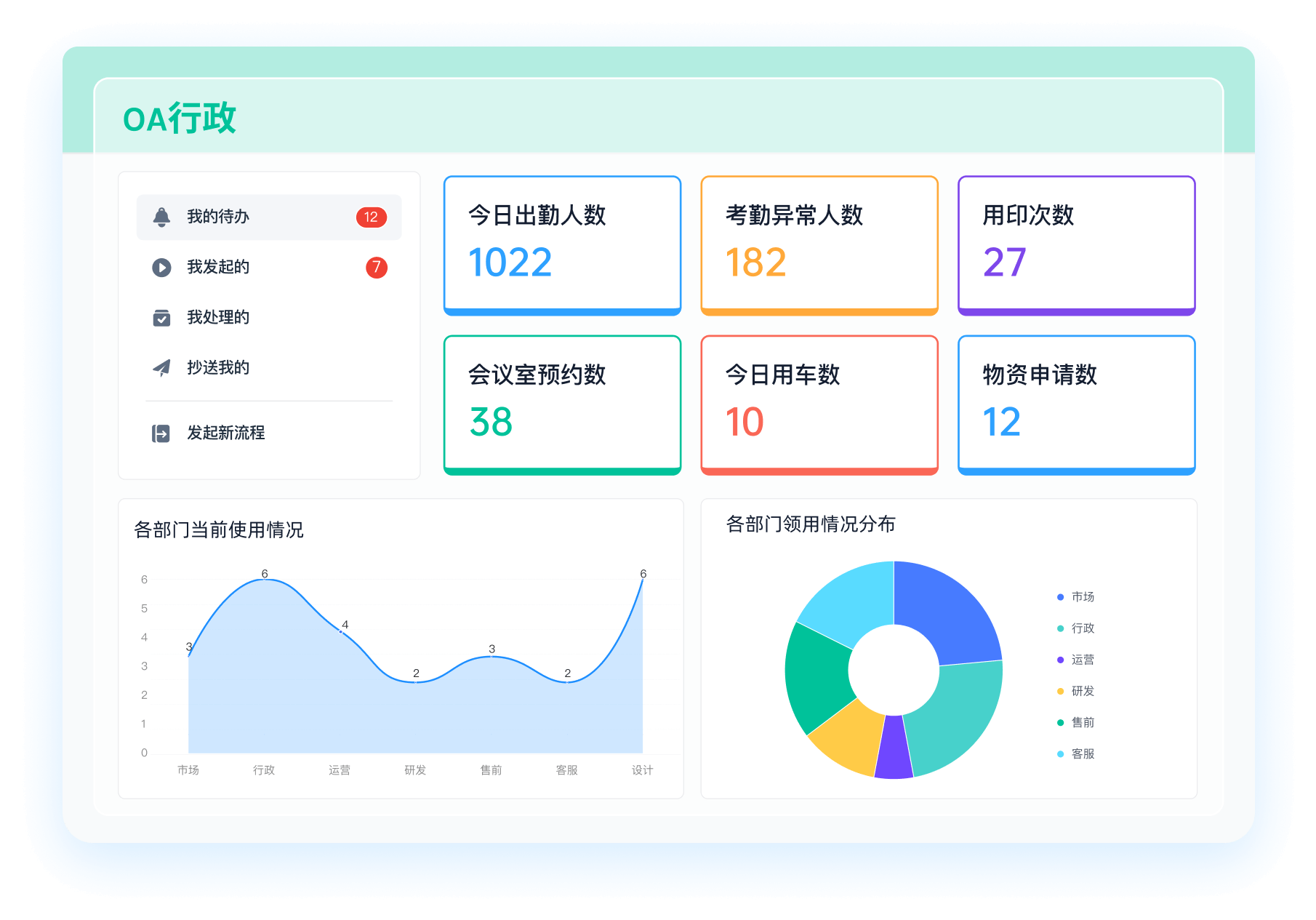
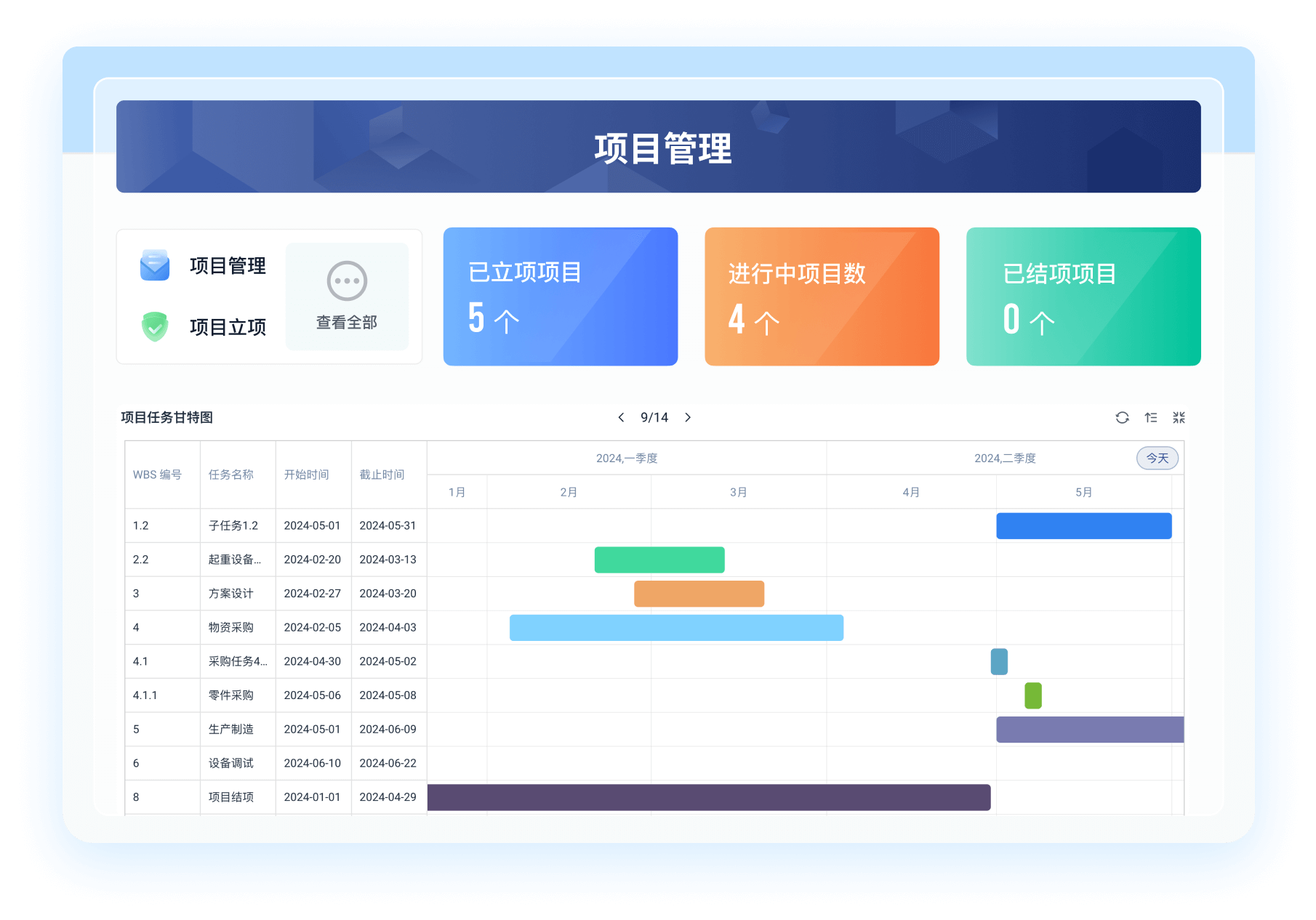
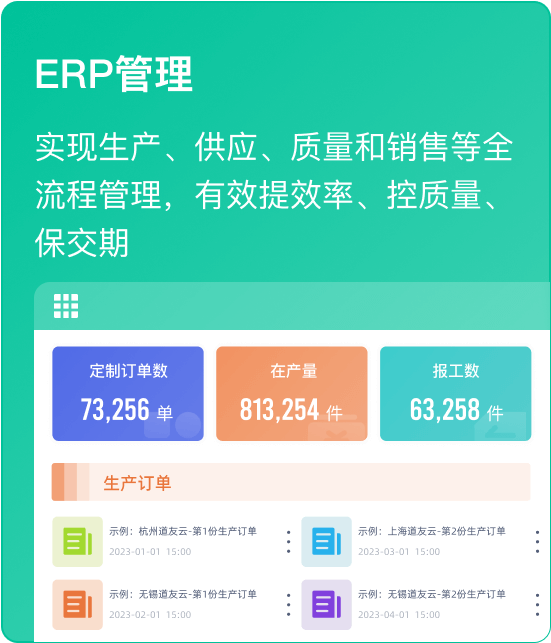
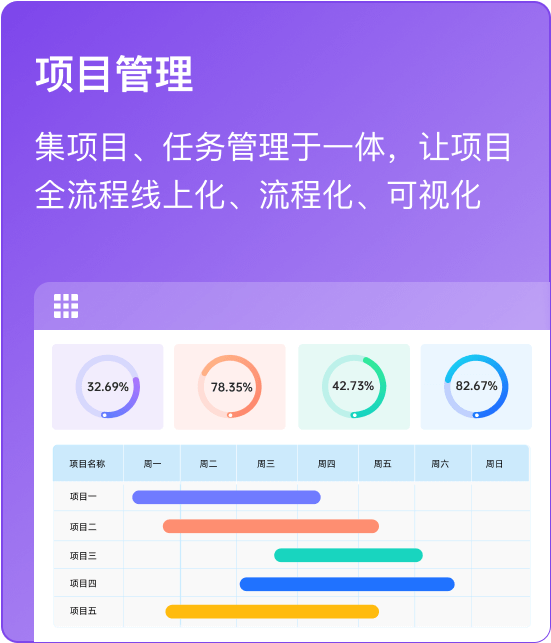
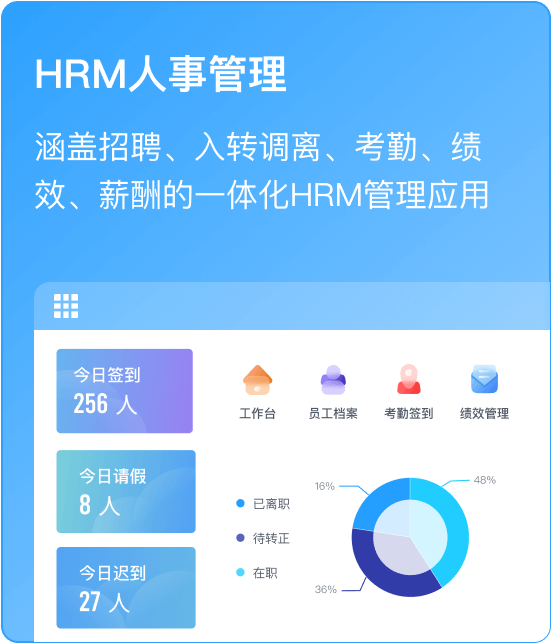
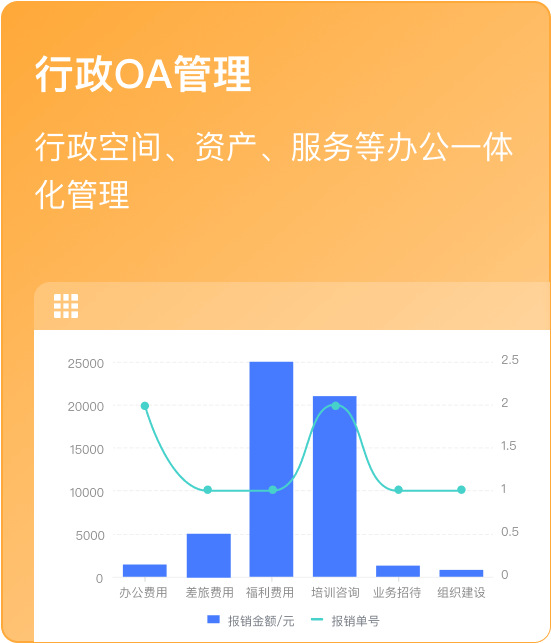
推荐一个好用的零代码开发平台,5分钟即可搭建一个管理软件:
地址: https://s.fanruan.com/x6aj1;
100+企业管理系统模板免费使用>>>无需下载,在线安装:
地址: https://s.fanruan.com/7wtn5;


















































 《零代码开发知识图谱》
 《零代码
新动能》案例集
《零代码
新动能》案例集
 《企业零代码系统搭建指南》