 阅读时间:7 分钟
  浏览量:1836次


在编写进销存代码时,主要关注以下几方面:数据模型设计、功能模块划分、用户界面友好性、性能优化、数据安全性。其中,数据模型设计是最重要的一环,因为它决定了整个系统的数据存储和处理方式。一个好的数据模型能够有效地管理商品、供应商、客户和订单等信息,使系统具有良好的可扩展性和易维护性。本文将详细探讨如何设计一个高效的进销存系统,并提供相关代码示例。
一、数据模型设计
数据模型设计是进销存系统的核心。在设计数据模型时,需要考虑到商品、供应商、客户和订单等多个实体之间的关系。以下是一个简单的数据模型设计示例:
- 商品表(Products)
- 商品ID(ProductID)
- 商品名称(ProductName)
- 商品分类(Category)
- 库存数量(StockQuantity)
- 单位价格(UnitPrice)
- 供应商表(Suppliers)
- 供应商ID(SupplierID)
- 供应商名称(SupplierName)
- 联系方式(ContactInfo)
- 客户表(Customers)
- 客户ID(CustomerID)
- 客户名称(CustomerName)
- 联系方式(ContactInfo)
- 订单表(Orders)
- 订单ID(OrderID)
- 客户ID(CustomerID)
- 订单日期(OrderDate)
- 总金额(TotalAmount)
- 订单明细表(OrderDetails)
- 订单明细ID(OrderDetailID)
- 订单ID(OrderID)
- 商品ID(ProductID)
- 购买数量(Quantity)
- 小计金额(SubtotalAmount)
通过这种设计,可以清晰地管理商品、供应商、客户和订单之间的关系,为后续的功能实现提供坚实的基础。
二、功能模块划分
在进销存系统中,功能模块的划分是实现系统功能的关键。常见的功能模块包括:商品管理、供应商管理、客户管理、订单管理、库存管理和报表分析等。
- 商品管理
- 添加商品
- 修改商品信息
- 删除商品
- 查询商品
- 供应商管理
- 添加供应商
- 修改供应商信息
- 删除供应商
- 查询供应商
- 客户管理
- 添加客户
- 修改客户信息
- 删除客户
- 查询客户
- 订单管理
- 创建订单
- 修改订单
- 删除订单
- 查询订单
- 库存管理
- 入库操作
- 出库操作
- 库存查询
- 报表分析
- 销售报表
- 库存报表
- 采购报表
通过功能模块的划分,可以使系统的设计更加清晰,便于开发和维护。
三、用户界面友好性
用户界面友好性是影响用户体验的重要因素。在设计用户界面时,需要考虑到用户的操作习惯和使用需求。以下是一些设计建议:
- 简洁明了的界面布局
- 直观的操作流程
- 清晰的提示信息
- 方便的查询和筛选功能
- 数据的图表展示
通过以上设计,可以提高用户的操作效率和满意度。
四、性能优化
性能优化是确保系统高效运行的关键。常见的性能优化方法包括:
- 数据库优化
- 建立索引
- 优化查询语句
- 分库分表
- 缓存机制
- 数据缓存
- 页面缓存
- 代码优化
- 减少不必要的循环
- 合理使用异步操作
通过以上优化方法,可以提高系统的响应速度和处理能力。
五、数据安全性
数据安全性是确保系统数据不被泄露或篡改的重要保障。常见的数据安全措施包括:
- 用户权限管理
- 不同角色分配不同权限
- 权限验证
- 数据加密
- 数据传输加密
- 数据存储加密
- 日志记录
- 操作日志
- 异常日志
通过以上措施,可以有效地保护系统数据的安全性。
六、代码示例
以下是一个简单的进销存系统代码示例,使用Python和Flask框架实现:
from flask import Flask, request, jsonify
app = Flask(__name__)
数据库连接配置
from flask_sqlalchemy import SQLAlchemy
app.config['SQLALCHEMY_DATABASE_URI'] = 'sqlite:///inventory.db'
db = SQLAlchemy(app)
数据模型设计
class Product(db.Model):
    id = db.Column(db.Integer, primary_key=True)
    name = db.Column(db.String(80), nullable=False)
    category = db.Column(db.String(80), nullable=False)
    stock_quantity = db.Column(db.Integer, nullable=False)
    unit_price = db.Column(db.Float, nullable=False)
class Supplier(db.Model):
    id = db.Column(db.Integer, primary_key=True)
    name = db.Column(db.String(80), nullable=False)
    contact_info = db.Column(db.String(120), nullable=False)
class Customer(db.Model):
    id = db.Column(db.Integer, primary_key=True)
    name = db.Column(db.String(80), nullable=False)
    contact_info = db.Column(db.String(120), nullable=False)
class Order(db.Model):
    id = db.Column(db.Integer, primary_key=True)
    customer_id = db.Column(db.Integer, db.ForeignKey('customer.id'), nullable=False)
    order_date = db.Column(db.DateTime, nullable=False)
    total_amount = db.Column(db.Float, nullable=False)
class OrderDetail(db.Model):
    id = db.Column(db.Integer, primary_key=True)
    order_id = db.Column(db.Integer, db.ForeignKey('order.id'), nullable=False)
    product_id = db.Column(db.Integer, db.ForeignKey('product.id'), nullable=False)
    quantity = db.Column(db.Integer, nullable=False)
    subtotal_amount = db.Column(db.Float, nullable=False)
创建数据库
with app.app_context():
    db.create_all()
商品管理接口
@app.route('/products', methods=['POST'])
def add_product():
    data = request.get_json()
    new_product = Product(name=data['name'], category=data['category'], stock_quantity=data['stock_quantity'], unit_price=data['unit_price'])
    db.session.add(new_product)
    db.session.commit()
    return jsonify({'message': 'Product added successfully'})
@app.route('/products', methods=['GET'])
def get_products():
    products = Product.query.all()
    return jsonify([{'id': product.id, 'name': product.name, 'category': product.category, 'stock_quantity': product.stock_quantity, 'unit_price': product.unit_price} for product in products])
运行应用
if __name__ == '__main__':
    app.run(debug=True)
通过以上代码示例,可以快速搭建一个简单的进销存系统。更多关于进销存系统的开发和优化,可以参考简道云,简道云官网: https://s.fanruan.com/gwsdp;。
相关问答FAQs:
进销存代码怎么写?
编写进销存系统的代码通常需要考虑几个关键模块,包括商品管理、库存管理、销售管理和进货管理。以下是一些基本的代码示例和实现思路,能够帮助你理解如何搭建一个简单的进销存系统。
1. 商品管理模块
在进销存系统中,商品管理是一个重要模块。你需要能够添加、更新和删除商品信息。
class Product:
    def __init__(self, product_id, name, price, quantity):
        self.product_id = product_id
        self.name = name
        self.price = price
        self.quantity = quantity

class ProductManager:
    def __init__(self):
        self.products = {}

    def add_product(self, product):
        self.products[product.product_id] = product

    def update_product(self, product_id, name=None, price=None, quantity=None):
        if product_id in self.products:
            if name:
                self.products[product_id].name = name
            if price:
                self.products[product_id].price = price
            if quantity:
                self.products[product_id].quantity = quantity

    def delete_product(self, product_id):
        if product_id in self.products:
            del self.products[product_id]

    def list_products(self):
        return [vars(product) for product in self.products.values()]
2. 库存管理模块
库存管理是进销存系统的核心。需要跟踪每个商品的库存数量,并根据销售和进货情况进行更新。
class Inventory:
    def __init__(self):
        self.stock = {}

    def add_stock(self, product_id, quantity):
        if product_id in self.stock:
            self.stock[product_id] += quantity
        else:
            self.stock[product_id] = quantity

    def reduce_stock(self, product_id, quantity):
        if product_id in self.stock and self.stock[product_id] >= quantity:
            self.stock[product_id] -= quantity

    def get_stock(self, product_id):
        return self.stock.get(product_id, 0)
3. 销售管理模块
销售管理模块负责处理客户的购买请求,并更新库存。
class SalesManager:
    def __init__(self, inventory):
        self.inventory = inventory

    def sell_product(self, product_id, quantity):
        if self.inventory.get_stock(product_id) >= quantity:
            self.inventory.reduce_stock(product_id, quantity)
            return f"Sold {quantity} of product {product_id}."
        else:
            return "Not enough stock to sell."
4. 进货管理模块
进货管理模块负责记录新商品的进货情况,并更新库存。
class PurchaseManager:
    def __init__(self, inventory):
        self.inventory = inventory

    def purchase_product(self, product_id, quantity):
        self.inventory.add_stock(product_id, quantity)
        return f"Purchased {quantity} of product {product_id}."
5. 用户界面
一个简单的命令行界面可以帮助用户与系统交互。
def main():
    product_manager = ProductManager()
    inventory = Inventory()
    sales_manager = SalesManager(inventory)
    purchase_manager = PurchaseManager(inventory)

    while True:
        print("1. Add Product")
        print("2. Update Product")
        print("3. Delete Product")
        print("4. List Products")
        print("5. Sell Product")
        print("6. Purchase Product")
        print("7. Exit")

        choice = input("Enter your choice: ")

        if choice == '1':
            product_id = input("Enter product ID: ")
            name = input("Enter product name: ")
            price = float(input("Enter product price: "))
            quantity = int(input("Enter product quantity: "))
            product_manager.add_product(Product(product_id, name, price, quantity))
        elif choice == '2':
            product_id = input("Enter product ID to update: ")
            name = input("Enter new name (leave blank to keep current): ")
            price = input("Enter new price (leave blank to keep current): ")
            quantity = input("Enter new quantity (leave blank to keep current): ")
            product_manager.update_product(product_id, name, float(price) if price else None, int(quantity) if quantity else None)
        elif choice == '3':
            product_id = input("Enter product ID to delete: ")
            product_manager.delete_product(product_id)
        elif choice == '4':
            for product in product_manager.list_products():
                print(product)
        elif choice == '5':
            product_id = input("Enter product ID to sell: ")
            quantity = int(input("Enter quantity to sell: "))
            print(sales_manager.sell_product(product_id, quantity))
        elif choice == '6':
            product_id = input("Enter product ID to purchase: ")
            quantity = int(input("Enter quantity to purchase: "))
            print(purchase_manager.purchase_product(product_id, quantity))
        elif choice == '7':
            break

if __name__ == "__main__":
    main()
6. 数据存储
在实际应用中,数据通常需要持久化存储。可以使用数据库(如MySQL、PostgreSQL等)来存储商品和库存信息。
7. 总结
进销存系统的设计需要考虑多种因素,包括用户需求、系统性能和可扩展性。以上代码提供了一个基本的框架,可以根据具体需求进行扩展和改进。通过不断优化和完善,可以实现一个功能齐全的进销存管理系统。
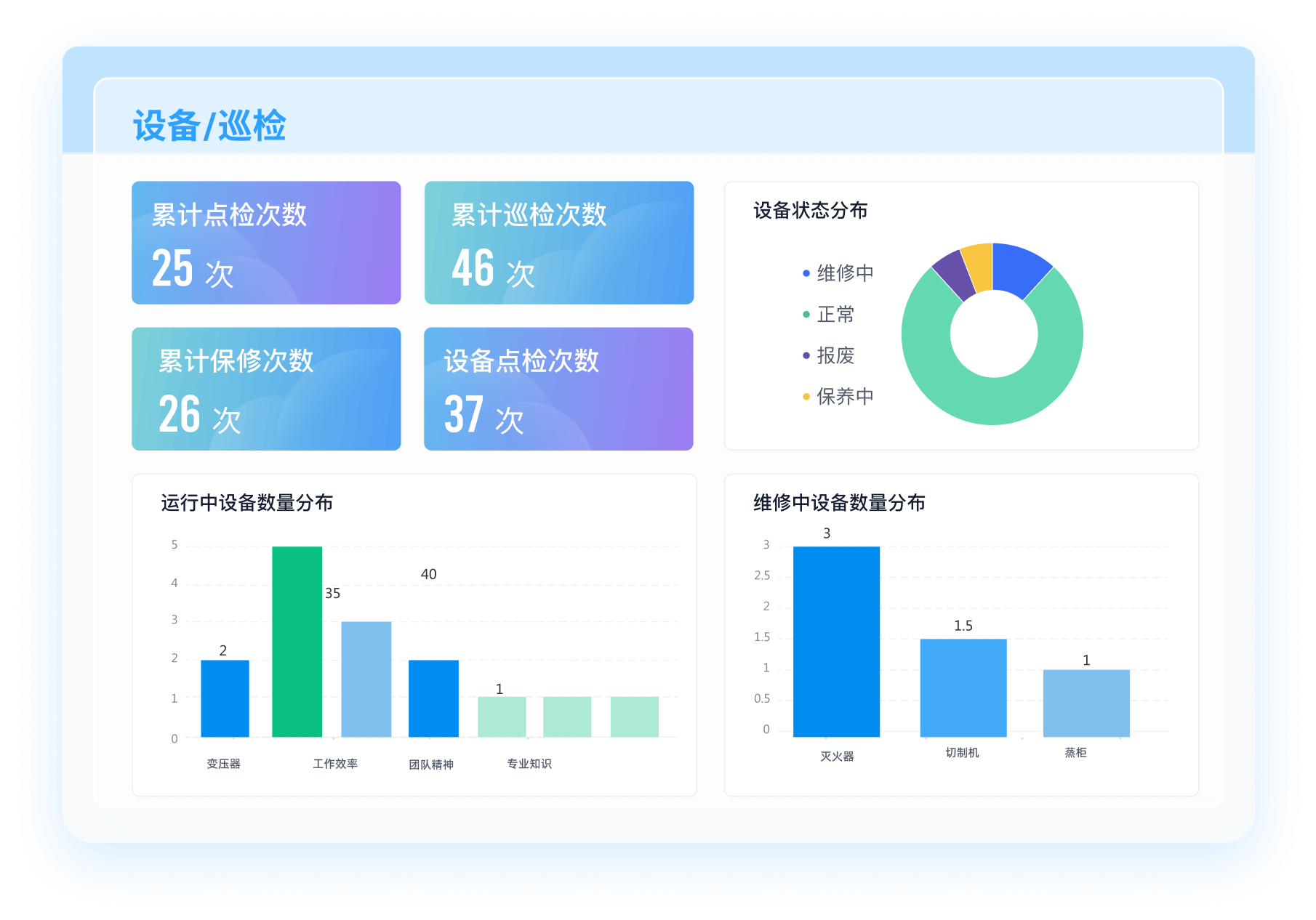
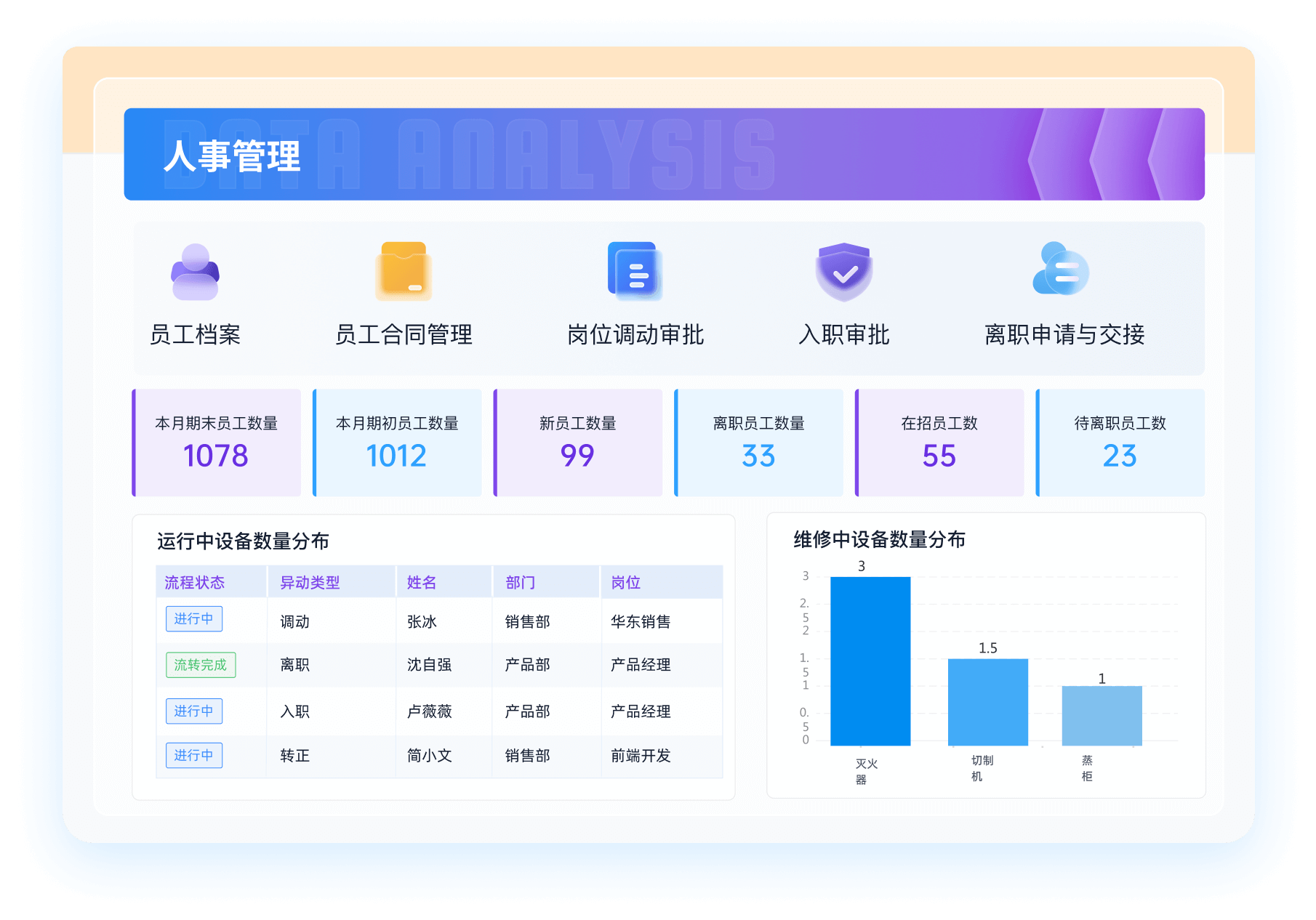
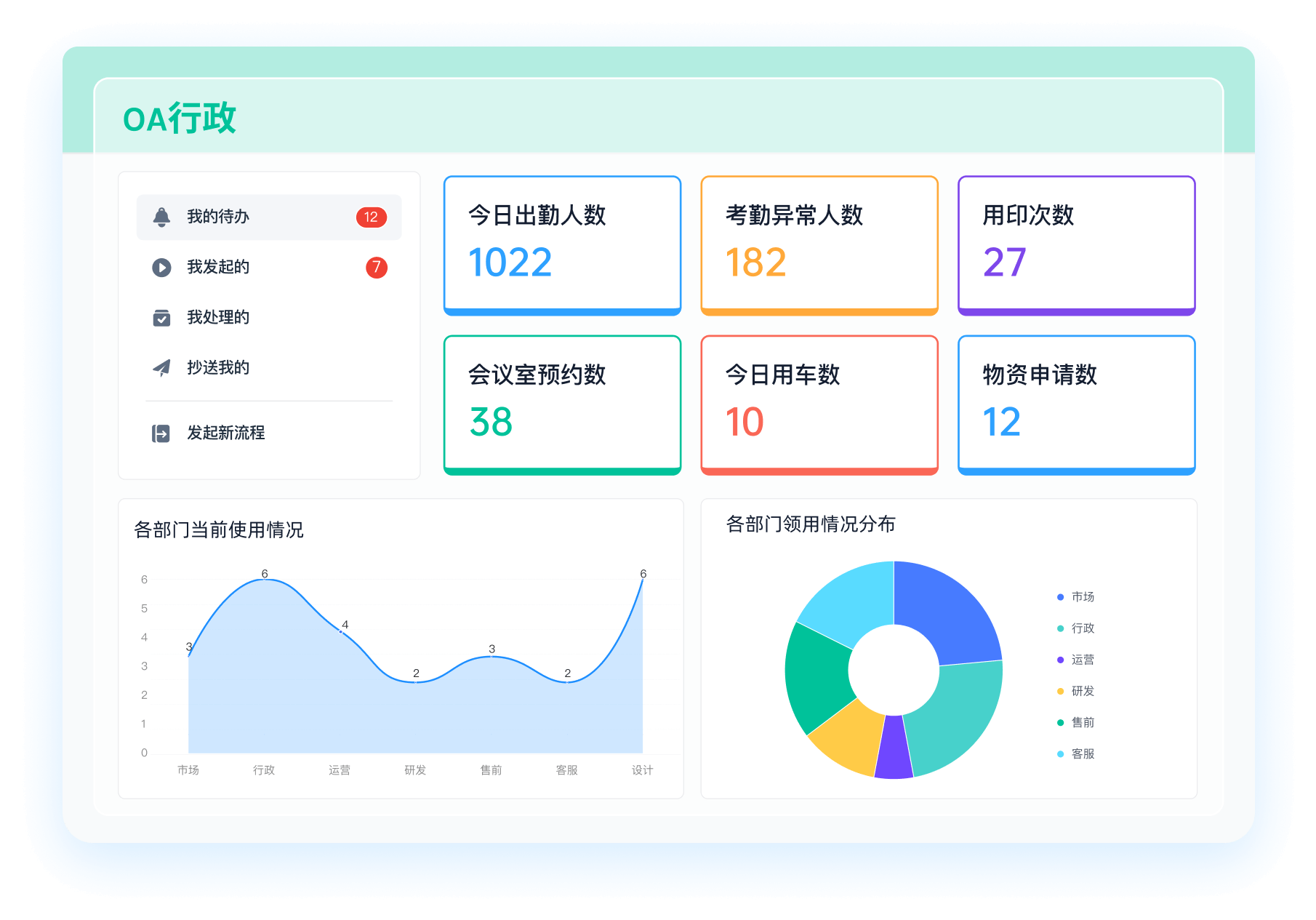
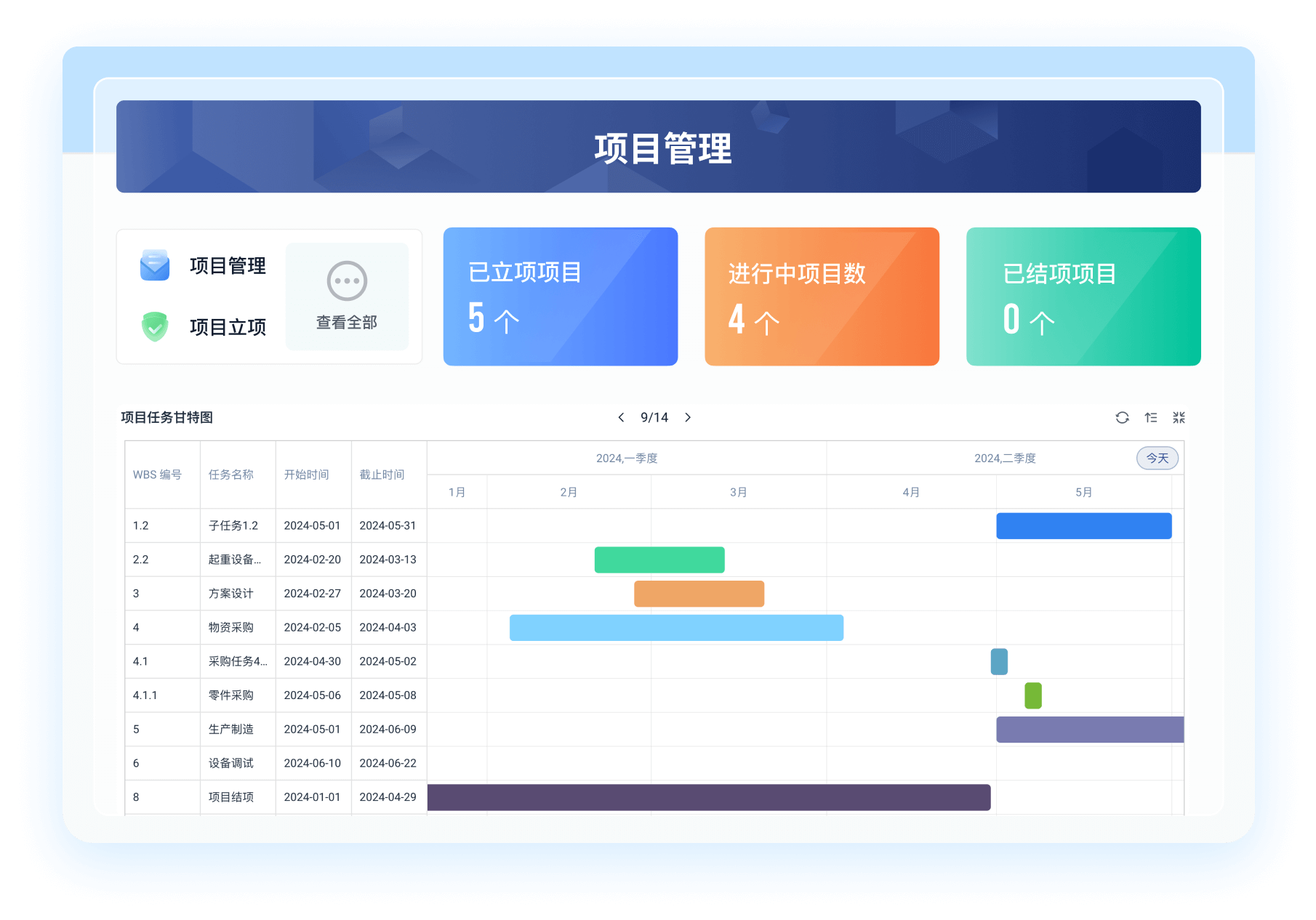
推荐100+企业管理系统模板免费使用>>>无需下载,在线安装:
地址: https://s.fanruan.com/7wtn5;






























































 《零代码开发知识图谱》
 《零代码
新动能》案例集
《零代码
新动能》案例集
 《企业零代码系统搭建指南》