
 阅读时间:7 分钟
  浏览量:1248次


The term for inventory management in English is "Inventory Management" or "Inventory Control." It involves managing the flow of goods from manufacturers to warehouses and from these facilities to point of sale. This process includes several key components such as stock management, order processing, and warehouse management. Inventory management systems, also known as IMS, can significantly improve efficiency by providing real-time data, reducing human errors, and optimizing stock levels. For example, an effective IMS can automatically reorder stock when levels run low, ensuring that businesses never run out of critical items and can maintain smooth operations.
I、INVENTORY MANAGEMENT DEFINITION AND IMPORTANCE
Inventory management, also known as inventory control, refers to the process of ordering, storing, and using a company’s inventory. This includes the management of raw materials, components, and finished products, as well as warehousing and processing such items. The primary goal of inventory management is to ensure that a business always has the right products in the right quantity for sale, at the right time. By efficiently managing inventory, companies can reduce costs, increase profitability, and improve customer satisfaction. Effective inventory management strategies can help in maintaining the balance between overstock and stockouts.
II、KEY COMPONENTS OF INVENTORY MANAGEMENT
Effective inventory management encompasses several critical components:
1. Stock Management: This involves tracking and managing the inventory levels of all products. It ensures that businesses have sufficient stock to meet customer demands without overstocking, which can tie up capital and increase storage costs.
2. Order Processing: This is the process of receiving and fulfilling customer orders efficiently. It includes picking, packing, and shipping products to customers or retail outlets.
3. Warehouse Management: This involves the optimization of warehouse operations to ensure efficient storage, handling, and movement of goods. It includes layout planning, inventory placement, and the use of technology to streamline operations.
4. Demand Forecasting: Accurate demand forecasting is crucial for inventory management. It involves predicting future customer demand based on historical data, market trends, and other factors.
5. Supplier Management: Effective inventory management also involves maintaining good relationships with suppliers to ensure timely delivery of raw materials and products.
III、INVENTORY MANAGEMENT SYSTEMS (IMS)
Inventory Management Systems (IMS) are software solutions designed to automate and streamline inventory management processes. These systems provide real-time visibility into inventory levels, track stock movements, and generate reports for better decision-making. Key features of IMS include:
1. Real-Time Inventory Tracking: IMS provides real-time data on inventory levels, enabling businesses to monitor stock levels accurately and make informed decisions.
2. Automated Reordering: IMS can automatically generate purchase orders when inventory levels fall below a predefined threshold, ensuring that stock is replenished promptly.
3. Barcode and RFID Integration: IMS can integrate with barcode and RFID technologies to streamline the tracking and management of inventory.
4. Reporting and Analytics: IMS generates detailed reports and analytics on inventory performance, helping businesses identify trends, optimize stock levels, and improve operational efficiency.
5. Integration with Other Systems: IMS can integrate with other business systems such as ERP (Enterprise Resource Planning) and CRM (Customer Relationship Management) to provide a comprehensive view of the business operations.
IV、BENEFITS OF EFFECTIVE INVENTORY MANAGEMENT
Implementing effective inventory management practices can bring numerous benefits to a business:
1. Cost Reduction: By optimizing inventory levels, businesses can reduce storage costs, minimize waste, and avoid overstocking.
2. Increased Efficiency: Automation of inventory processes reduces manual errors, saves time, and improves operational efficiency.
3. Improved Customer Satisfaction: Ensuring that products are available when customers need them leads to higher customer satisfaction and loyalty.
4. Better Decision-Making: Real-time data and analytics provide valuable insights for better decision-making and strategic planning.
5. Enhanced Supplier Relationships: Effective inventory management helps maintain good relationships with suppliers by ensuring timely orders and payments.
V、CHALLENGES IN INVENTORY MANAGEMENT
Despite the benefits, businesses often face several challenges in inventory management:
1. Demand Variability: Fluctuating customer demand can make it difficult to maintain optimal inventory levels. Accurate demand forecasting is essential to address this challenge.
2. Supply Chain Disruptions: Disruptions in the supply chain, such as delays in delivery or quality issues with suppliers, can impact inventory management.
3. Data Accuracy: Maintaining accurate inventory data is critical for effective management. Errors in data entry or tracking can lead to stock discrepancies and inefficiencies.
4. Technology Integration: Integrating inventory management systems with other business systems can be complex and may require significant investment and technical expertise.
5. Regulatory Compliance: Businesses must comply with various regulations related to inventory management, such as safety standards, environmental regulations, and industry-specific requirements.
VI、STRATEGIES FOR EFFECTIVE INVENTORY MANAGEMENT
To overcome challenges and achieve effective inventory management, businesses can adopt the following strategies:
1. Implementing Technology: Investing in advanced inventory management systems can automate processes, improve accuracy, and provide real-time visibility into inventory levels.
2. Demand Forecasting: Utilizing data analytics and forecasting tools can help predict customer demand more accurately and plan inventory accordingly.
3. Supplier Collaboration: Building strong relationships with suppliers and collaborating closely can ensure timely delivery of materials and products.
4. Regular Audits: Conducting regular inventory audits can help identify discrepancies, improve data accuracy, and optimize stock levels.
5. Lean Inventory Practices: Adopting lean inventory practices, such as Just-In-Time (JIT) inventory, can minimize waste, reduce costs, and improve efficiency.
VII、FUTURE TRENDS IN INVENTORY MANAGEMENT
The field of inventory management is continuously evolving, with several emerging trends shaping its future:
1. Artificial Intelligence (AI) and Machine Learning: AI and machine learning technologies are being used to enhance demand forecasting, optimize stock levels, and automate inventory processes.
2. Internet of Things (IoT): IoT devices, such as smart sensors and RFID tags, are being used to track inventory in real-time, improve accuracy, and streamline operations.
3. Blockchain Technology: Blockchain technology is being explored for its potential to enhance transparency, traceability, and security in supply chain and inventory management.
4. Sustainability: There is a growing focus on sustainability in inventory management, with businesses adopting eco-friendly practices and reducing waste.
5. Cloud-Based Solutions: Cloud-based inventory management systems offer scalability, flexibility, and real-time access to data, making them increasingly popular among businesses.
In conclusion, inventory management, or inventory control, is a critical aspect of business operations that involves the efficient management of stock levels, order processing, and warehouse operations. By leveraging advanced inventory management systems and adopting effective strategies, businesses can achieve cost reduction, increased efficiency, and improved customer satisfaction. Embracing emerging trends and technologies will further enhance inventory management practices and drive future success. For businesses looking for a comprehensive and efficient inventory management solution, 简道云 offers a powerful platform to streamline operations and optimize inventory levels. For more information, visit the 简道云官网: https://s.fanruan.com/gwsdp;
相关问答FAQs:
在英文中,“进销存”通常被称为“Inventory Management”或“Stock Management”。这个术语涵盖了企业在采购、销售和库存管理方面的所有活动。以下是关于“进销存”的一些常见问题和详细回答。
1. 什么是进销存管理?
进销存管理是指企业在运营过程中对商品的采购、销售和库存进行全面管理的系统。这个过程涉及到多个环节,包括原材料的采购、成品的销售、库存的监控以及数据分析。有效的进销存管理能够帮助企业优化资源利用,提高销售效率,同时降低库存成本。
在现代企业中,进销存管理不仅仅是手工记录的过程,许多企业使用专门的软件系统来实现自动化管理。这些系统可以实时跟踪库存水平,生成销售报告,预测需求,帮助企业做出更明智的采购和销售决策。
2. 进销存管理的主要功能有哪些?
进销存管理系统通常包括多个功能模块,每个模块都有其独特的作用。主要功能包括:
-
库存监控:实时跟踪库存的数量和状态,帮助企业及时补货,避免缺货或过剩。
-
采购管理:记录供应商信息,管理采购订单,跟踪采购进度,确保物资的及时到位。
-
销售管理:跟踪销售订单,管理客户信息,分析销售数据,帮助企业识别销售趋势和市场需求。
-
报表分析:生成各种报表,如库存报表、销售报表、财务报表等,帮助管理层进行决策。
-
预警系统:当库存达到某一临界值时,系统会自动发出预警,提醒管理人员采取措施。
通过这些功能,企业可以实现更高效的运营,提高客户满意度,同时降低成本。
3. 如何选择合适的进销存管理系统?
选择合适的进销存管理系统是企业成功的关键。以下是一些选择时需要考虑的因素:
-
功能需求:根据企业的规模和行业特点,选择具有符合自身需求的功能模块。
-
用户友好性:系统的界面设计应简洁易懂,便于员工快速上手。
-
兼容性:确保所选系统可以与企业现有的其他软件或系统兼容,避免信息孤岛。
-
技术支持:选择提供良好技术支持和培训的供应商,以确保系统能够顺利运行。
-
价格:考虑预算,选择性价比高的系统,同时关注后续维护和升级的成本。
-
用户评价:查看其他企业的使用评价和案例分析,以了解系统的实际表现。
通过对这些因素的综合考虑,企业可以选择到最适合自身需求的进销存管理系统。
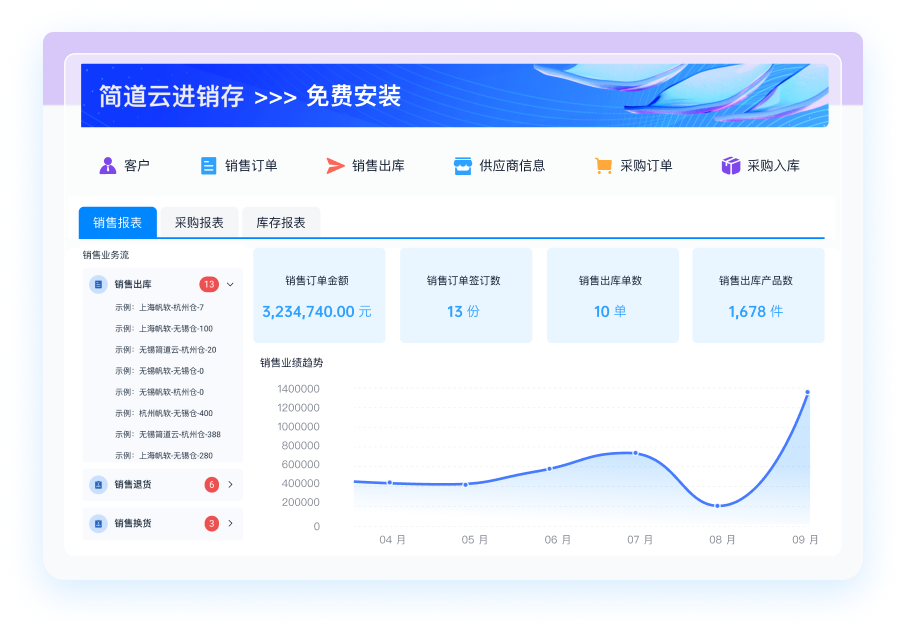
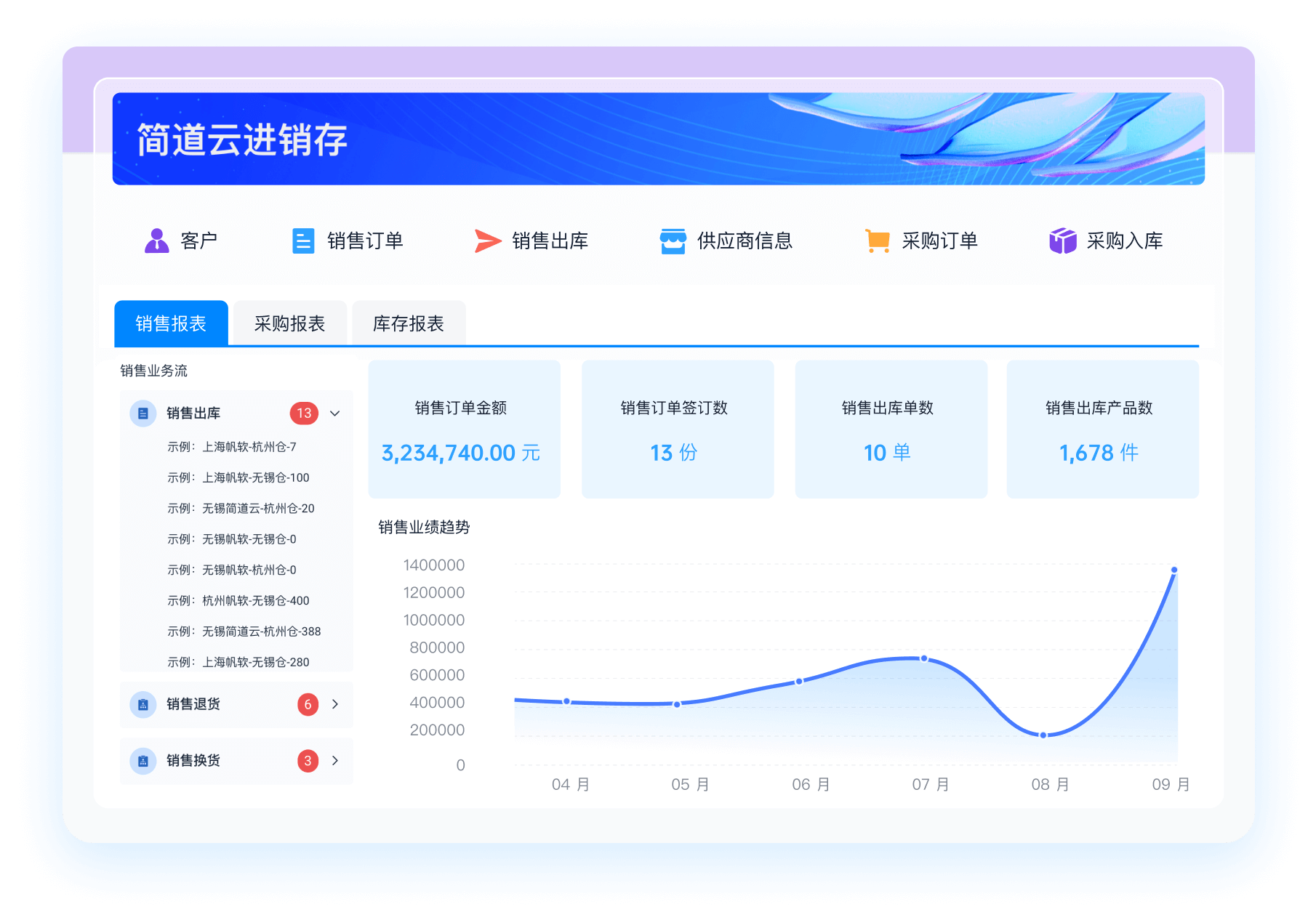
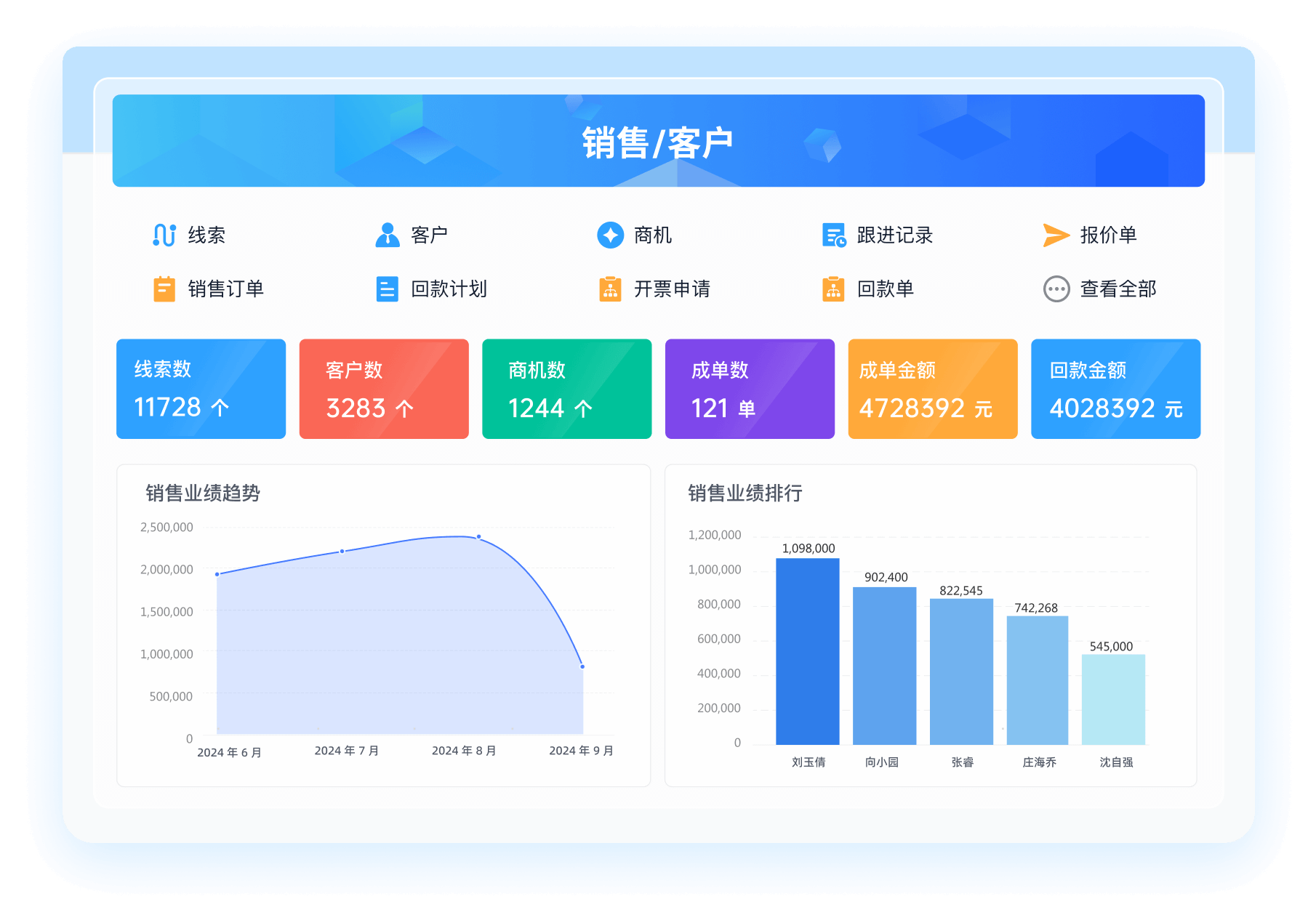
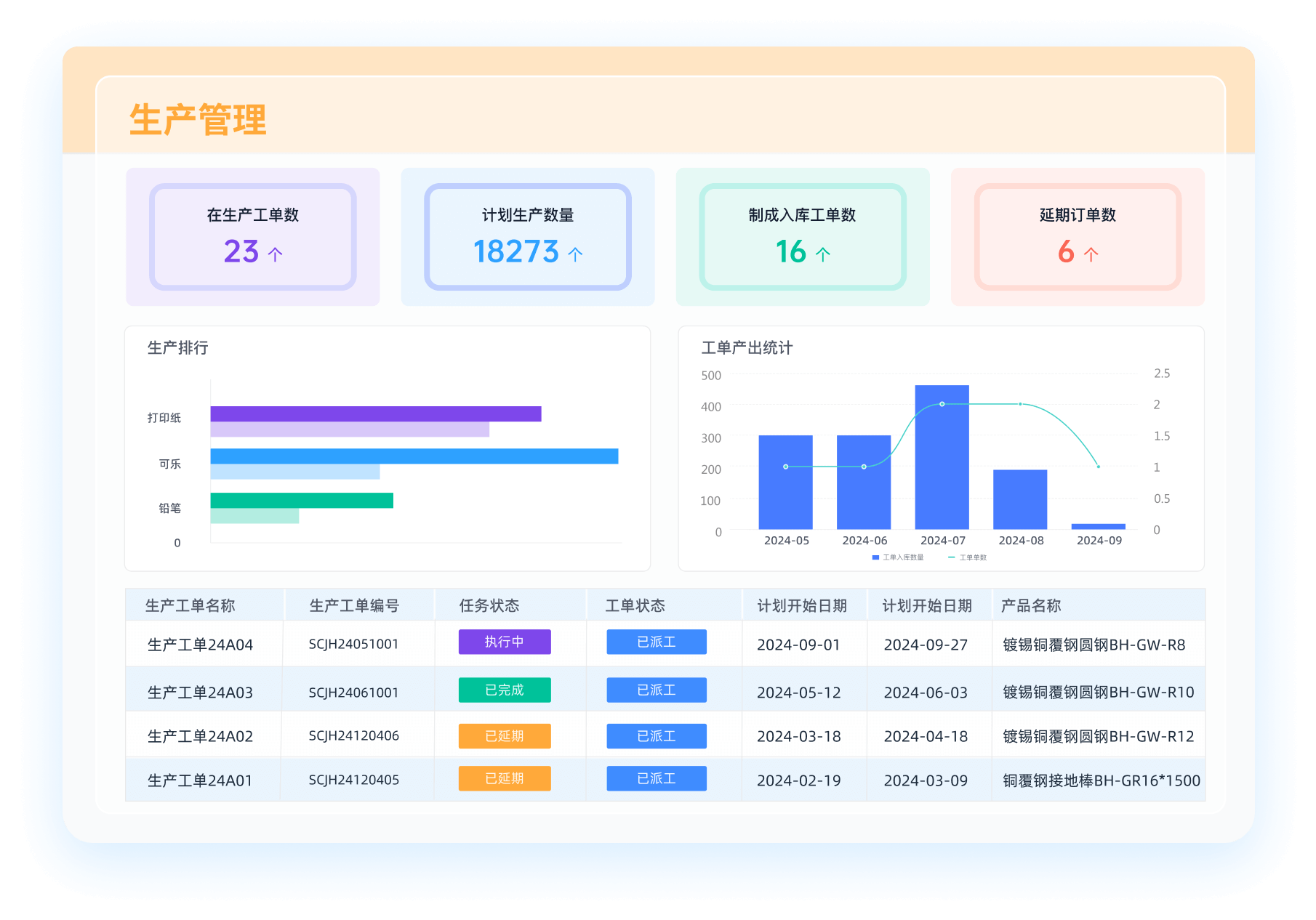
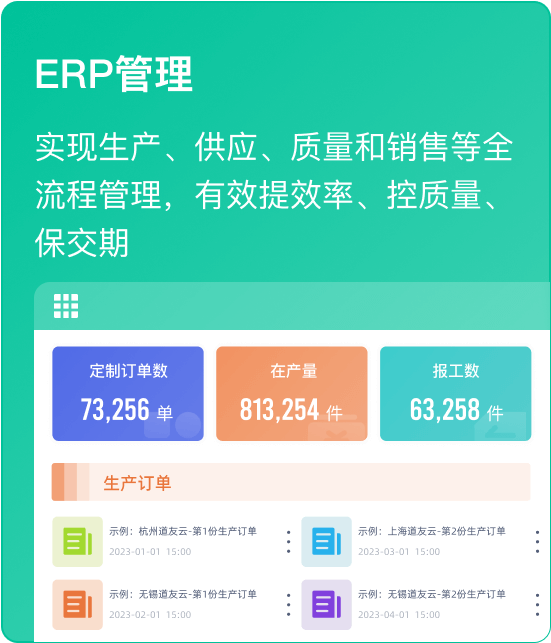
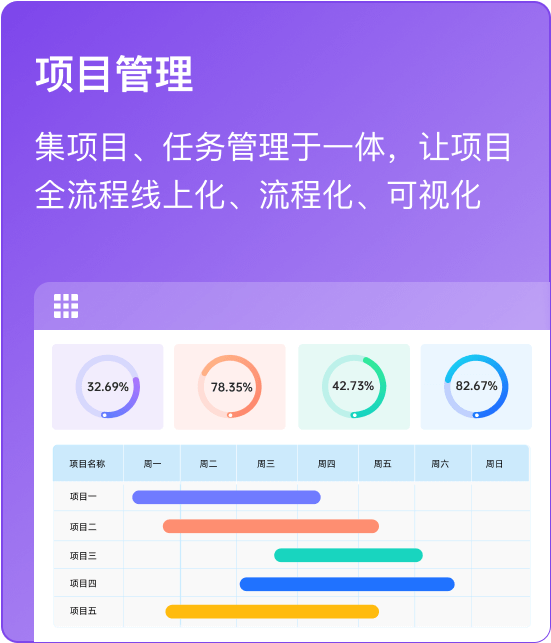
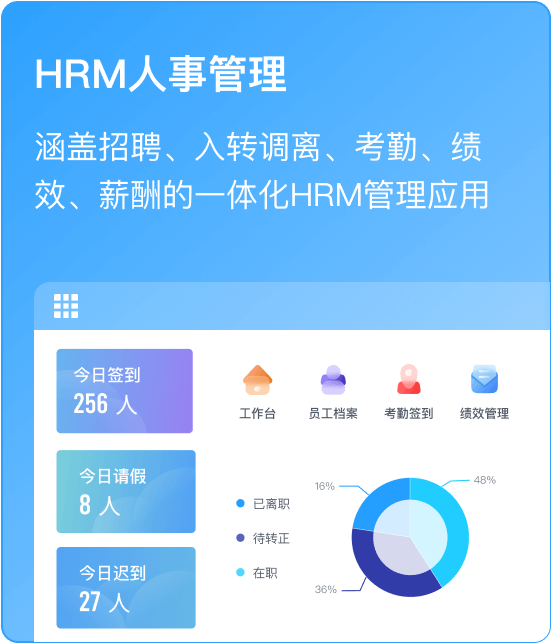
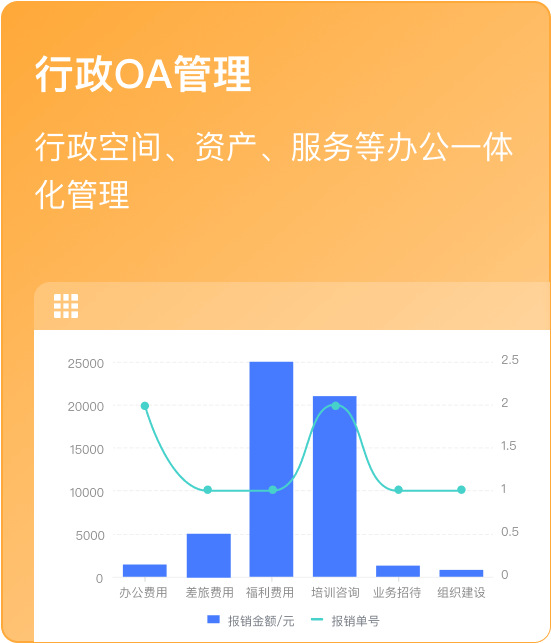
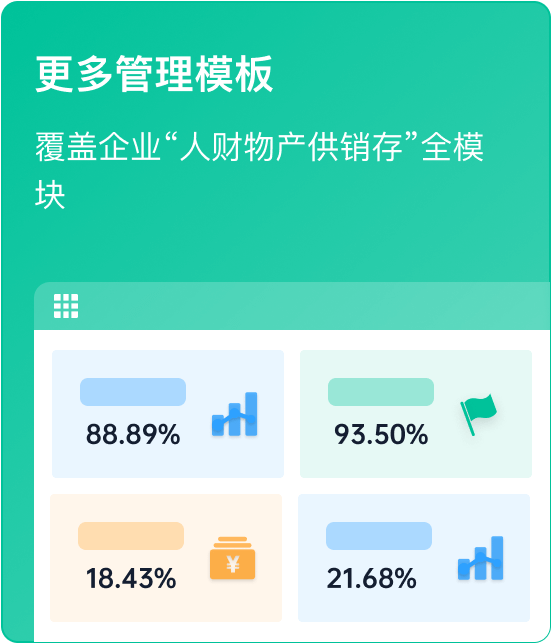
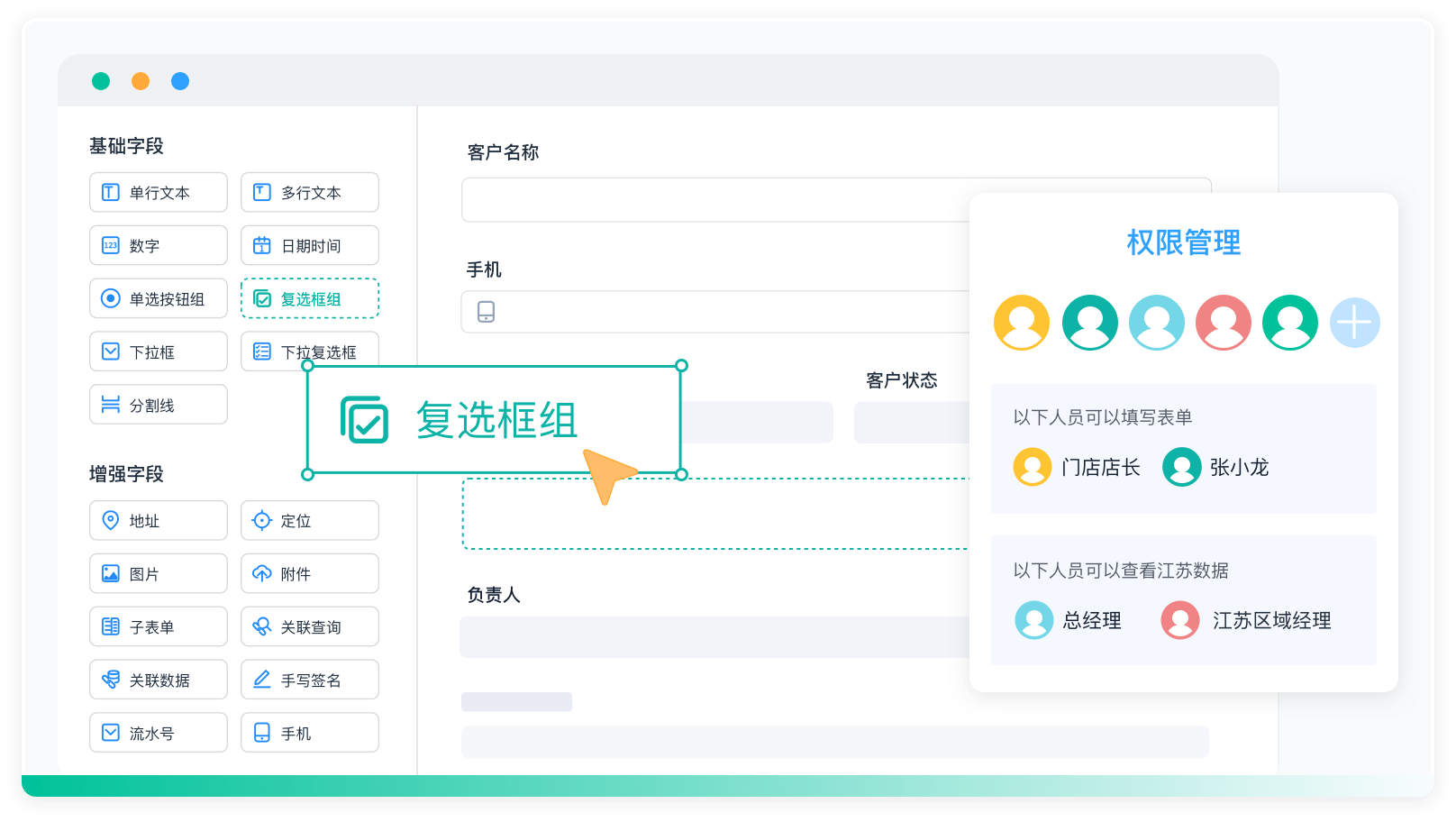
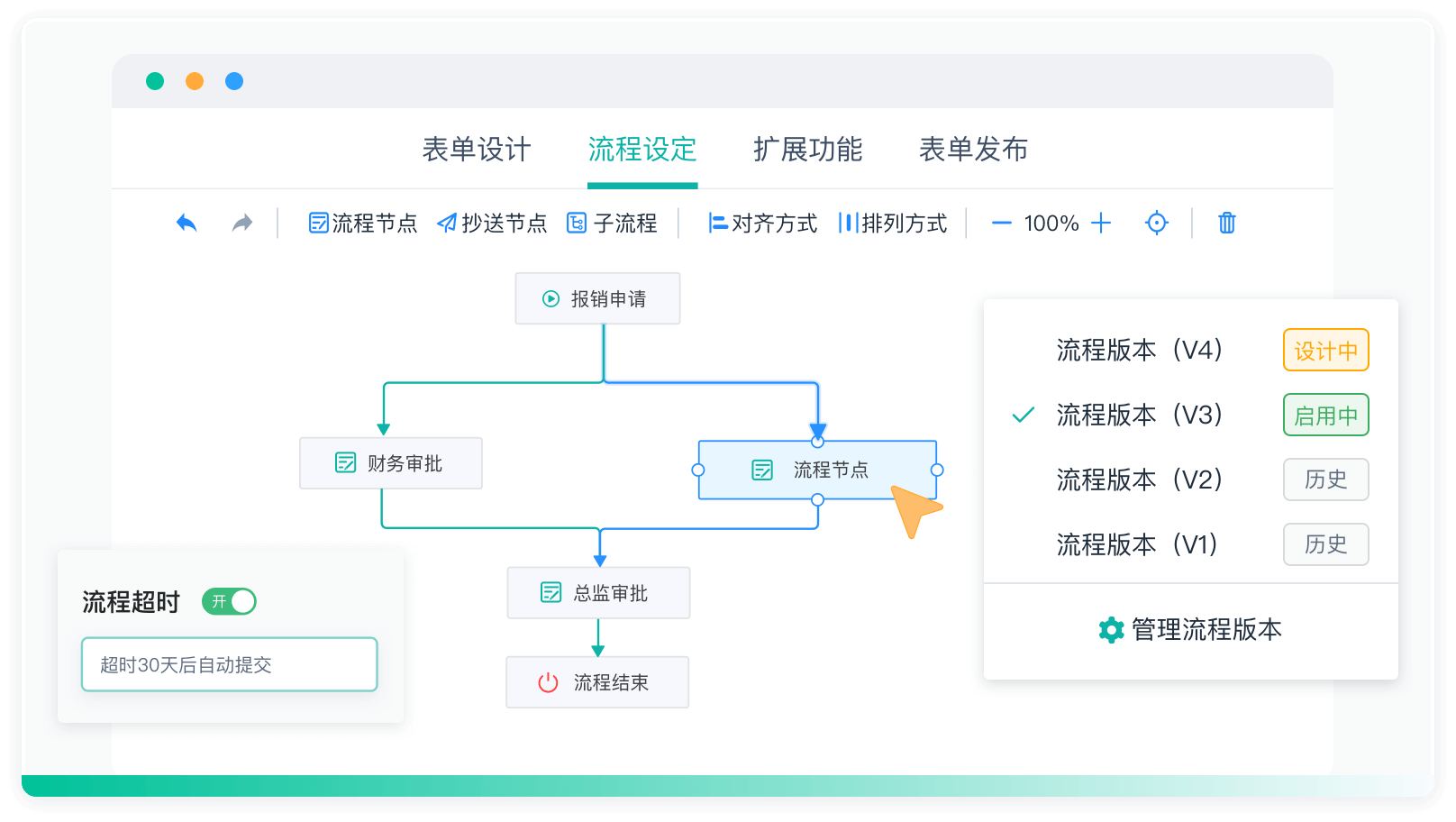
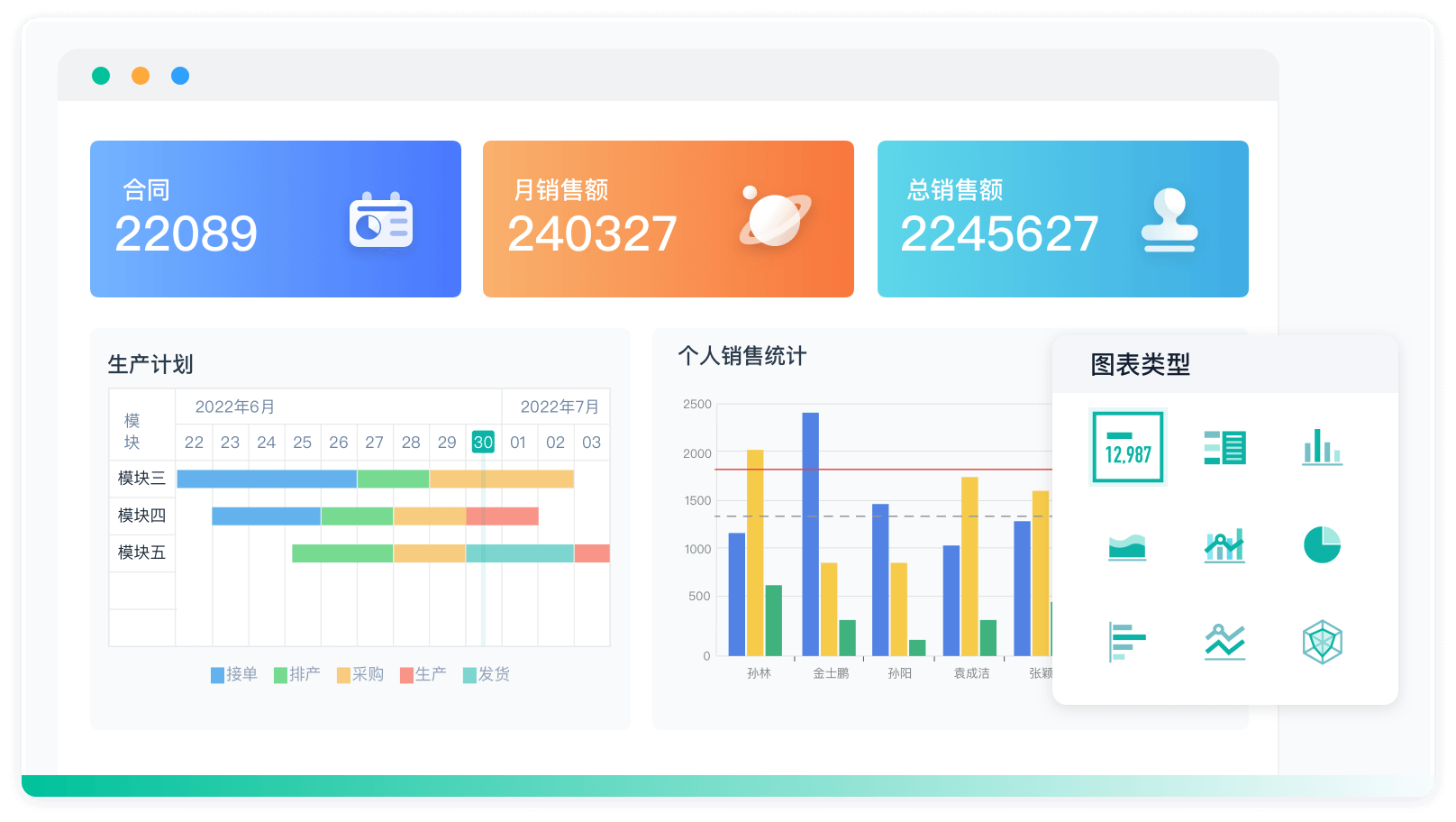
推荐100+企业管理系统模板免费使用>>>无需下载,在线安装:
地址: https://s.fanruan.com/7wtn5;

























































 《零代码开发知识图谱》
 《零代码
新动能》案例集
《零代码
新动能》案例集
 《企业零代码系统搭建指南》