
 阅读时间:9 分钟
  浏览量:8060次


要用函数来设定进销存系统,首先需要明确几个关键步骤:定义商品信息、进货操作、销售操作、库存更新。以进货操作为例,定义一个函数来处理进货操作,函数接收商品ID、数量、单价等参数,更新库存和成本信息。这样能确保数据处理的规范性和一致性,同时便于后续功能的扩展和维护。
一、定义商品信息
在进销存系统中,商品信息是最基础的数据。我们首先需要定义一个函数来初始化和存储商品信息。可以创建一个商品字典,每个商品都有一个唯一的商品ID、名称、初始库存、进价和售价。
def init_product(product_id, name, initial_stock, cost_price, selling_price):
    product = {
        'product_id': product_id,
        'name': name,
        'stock': initial_stock,
        'cost_price': cost_price,
        'selling_price': selling_price
    }
    return product
products = {}
products['001'] = init_product('001', 'Product A', 100, 50, 80)
products['002'] = init_product('002', 'Product B', 150, 30, 60)
通过这样的初始化,系统可以方便地管理多个商品的信息,并为后续的进货和销售操作打下基础。
二、进货操作
进货操作是进销存系统的核心功能之一,需要一个函数来处理每次进货的细节,包括更新库存数量和成本信息。函数接收商品ID、进货数量和进货单价作为参数。
def purchase(product_id, quantity, cost_price):
    if product_id in products:
        products[product_id]['stock'] += quantity
        products[product_id]['cost_price'] = cost_price
        return True
    else:
        return False
Example of purchasing 50 units of Product A at a cost price of 55
purchase('001', 50, 55)
通过这个函数,我们可以确保每次进货操作都能准确更新库存和成本信息,保持数据的一致性和准确性。
三、销售操作
销售操作同样是进销存系统的重要组成部分。需要定义一个函数来处理销售操作,更新库存并计算销售收入。
def sell(product_id, quantity):
    if product_id in products and products[product_id]['stock'] >= quantity:
        products[product_id]['stock'] -= quantity
        revenue = quantity * products[product_id]['selling_price']
        return revenue
    else:
        return None
Example of selling 30 units of Product A
revenue = sell('001', 30)
if revenue is not None:
    print(f"Revenue from sale: {revenue}")
else:
    print("Insufficient stock or invalid product ID")
通过这样的销售操作函数,系统可以自动更新库存并计算每次销售的收入,确保库存信息和财务数据的准确性。
四、库存更新和查询
为了实时了解库存情况和进行库存管理,需要定义一个函数来查询当前库存,并定期更新库存信息。
def check_stock(product_id):
    if product_id in products:
        return products[product_id]['stock']
    else:
        return None
Example of checking stock for Product A
stock = check_stock('001')
if stock is not None:
    print(f"Current stock of Product A: {stock}")
else:
    print("Invalid product ID")
这种库存查询功能可以帮助管理者实时掌握库存情况,及时进行补货或调整销售策略,确保库存的健康水平。
五、成本和利润计算
进销存系统的另一个关键功能是计算成本和利润。需要定义一个函数来计算每次销售的成本和利润,帮助企业进行财务分析和决策。
def calculate_profit(product_id, quantity):
    if product_id in products and products[product_id]['stock'] >= quantity:
        cost = quantity * products[product_id]['cost_price']
        revenue = quantity * products[product_id]['selling_price']
        profit = revenue - cost
        return profit
    else:
        return None
Example of calculating profit for selling 20 units of Product A
profit = calculate_profit('001', 20)
if profit is not None:
    print(f"Profit from sale: {profit}")
else:
    print("Insufficient stock or invalid product ID")
这种利润计算功能可以帮助企业了解每次销售的盈利情况,为经营决策提供数据支持,优化经营策略。
六、集成和自动化
为了提高系统的效率和自动化程度,可以将这些函数集成到一个完整的进销存管理系统中,并结合自动化工具进行数据处理和分析。简道云是一款专业的低代码开发平台,可以帮助企业快速构建和集成进销存系统。通过简道云,企业可以将上述功能模块化,实现高效的进销存管理。
简道云官网: https://s.fanruan.com/gwsdp;
# Integration example with a simplified system
def main():
    products = {}
    products['001'] = init_product('001', 'Product A', 100, 50, 80)
    products['002'] = init_product('002', 'Product B', 150, 30, 60)
    purchase('001', 50, 55)
    revenue = sell('001', 30)
    stock = check_stock('001')
    profit = calculate_profit('001', 20)
    if revenue is not None:
        print(f"Revenue from sale: {revenue}")
    else:
        print("Insufficient stock or invalid product ID")
    if stock is not None:
        print(f"Current stock of Product A: {stock}")
    else:
        print("Invalid product ID")
    if profit is not None:
        print(f"Profit from sale: {profit}")
    else:
        print("Insufficient stock or invalid product ID")
Run the main function
main()
通过这种集成方式,企业可以实现进销存系统的自动化管理,提高工作效率,降低人为错误的风险,并通过数据分析优化经营策略。简道云的低代码开发平台为企业提供了便捷的工具,帮助快速搭建和定制进销存系统,满足不同企业的需求。
相关问答FAQs:
在企业管理中,进销存系统(即采购、销售、库存管理系统)是非常重要的。通过函数的方式来设计进销存系统,可以提高数据处理的效率和准确性。下面将详细讨论如何使用函数来实现进销存系统的基本功能。
1. 什么是进销存系统?
进销存系统是用于管理企业在日常运营中与产品进货、销售以及库存相关的数据和流程。这个系统的主要功能包括:
2. 进销存系统的基本功能模块
在设计进销存系统时,可以将其功能划分为以下几个模块:
3. 设计进销存系统函数
为了实现这些功能,可以定义一系列的函数来处理不同的操作。以下是一些示例函数:
3.1 商品管理
class Product:
    def __init__(self, product_id, name, price, quantity):
        self.product_id = product_id
        self.name = name
        self.price = price
        self.quantity = quantity

    def update_quantity(self, quantity):
        self.quantity += quantity

    def get_info(self):
        return f"ID: {self.product_id}, Name: {self.name}, Price: {self.price}, Quantity: {self.quantity}"
这个类用于管理商品的基本信息,包括商品ID、名称、价格和库存数量。update_quantity方法可以用来更新商品的库存数量。
3.2 供应商管理
class Supplier:
    def __init__(self, supplier_id, name, contact):
        self.supplier_id = supplier_id
        self.name = name
        self.contact = contact

    def get_info(self):
        return f"Supplier ID: {self.supplier_id}, Name: {self.name}, Contact: {self.contact}"
供应商类用于存储供应商信息,包括供应商ID、名称和联系方式。
3.3 客户管理
class Customer:
    def __init__(self, customer_id, name, contact):
        self.customer_id = customer_id
        self.name = name
        self.contact = contact

    def get_info(self):
        return f"Customer ID: {self.customer_id}, Name: {self.name}, Contact: {self.contact}"
客户类用于管理客户的信息,便于后续的销售管理。
3.4 采购管理
class PurchaseOrder:
    def __init__(self, order_id, supplier, products):
        self.order_id = order_id
        self.supplier = supplier
        self.products = products

    def add_product(self, product, quantity):
        product.update_quantity(quantity)
        self.products.append((product, quantity))

    def get_order_info(self):
        info = f"Order ID: {self.order_id}, Supplier: {self.supplier.name}\nProducts:\n"
        for product, quantity in self.products:
            info += f" - {product.get_info()} (Quantity: {quantity})\n"
        return info
采购订单类用于管理采购订单信息,包括订单ID、供应商和产品列表。可以通过add_product方法添加商品。
3.5 销售管理
class SaleOrder:
    def __init__(self, order_id, customer, products):
        self.order_id = order_id
        self.customer = customer
        self.products = products

    def add_product(self, product, quantity):
        product.update_quantity(-quantity)
        self.products.append((product, quantity))

    def get_order_info(self):
        info = f"Order ID: {self.order_id}, Customer: {self.customer.name}\nProducts:\n"
        for product, quantity in self.products:
            info += f" - {product.get_info()} (Quantity: {quantity})\n"
        return info
销售订单类用于记录客户订单,包含订单ID、客户信息和产品列表。add_product方法用于添加商品并更新库存。
4. 库存管理
库存管理是进销存系统的关键部分。可以设计一个库存管理类,来跟踪各个商品的库存状态。
class Inventory:
    def __init__(self):
        self.products = {}

    def add_product(self, product):
        self.products[product.product_id] = product

    def check_stock(self, product_id):
        product = self.products.get(product_id)
        if product:
            return product.get_info()
        return "Product not found."
库存类用于添加商品并检查库存状态。
5. 示例使用
以下是如何使用上面定义的类和函数的示例:
# 创建产品
product1 = Product(1, "Laptop", 8000, 50)
product2 = Product(2, "Mouse", 50, 200)

# 创建供应商和客户
supplier = Supplier(1, "Tech Supplier", "123456789")
customer = Customer(1, "John Doe", "987654321")

# 创建库存
inventory = Inventory()
inventory.add_product(product1)
inventory.add_product(product2)

# 创建采购订单
purchase_order = PurchaseOrder(1, supplier, [])
purchase_order.add_product(product1, 10)

# 创建销售订单
sale_order = SaleOrder(1, customer, [])
sale_order.add_product(product2, 5)

# 输出信息
print(purchase_order.get_order_info())
print(sale_order.get_order_info())
print(inventory.check_stock(1))
print(inventory.check_stock(2))
6. 进销存系统的扩展功能
进销存系统可以根据企业的需求进行扩展,可能包括以下功能:
- 报表生成:生成各类报表,如销售报表、库存报表和采购报表。
- 数据分析:通过数据分析工具对销售趋势、库存周转率等进行分析。
- 用户权限管理:实现不同用户角色的权限管理,确保系统的安全性。
- 通知和警报:设置库存低于一定阈值时的通知功能,确保及时补货。
7. 结论
通过函数和类的设计,进销存系统可以高效地管理企业的采购、销售和库存。上述代码示例展示了如何构建一个基本的进销存系统,进一步的功能扩展可以根据实际需求进行定制。企业可以根据自身情况选择合适的系统,提升管理效率。
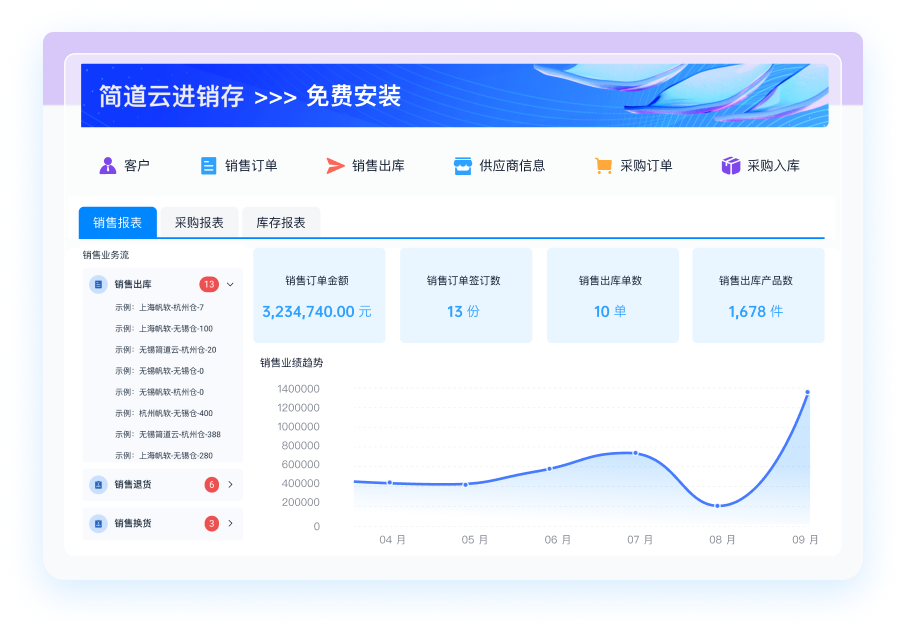
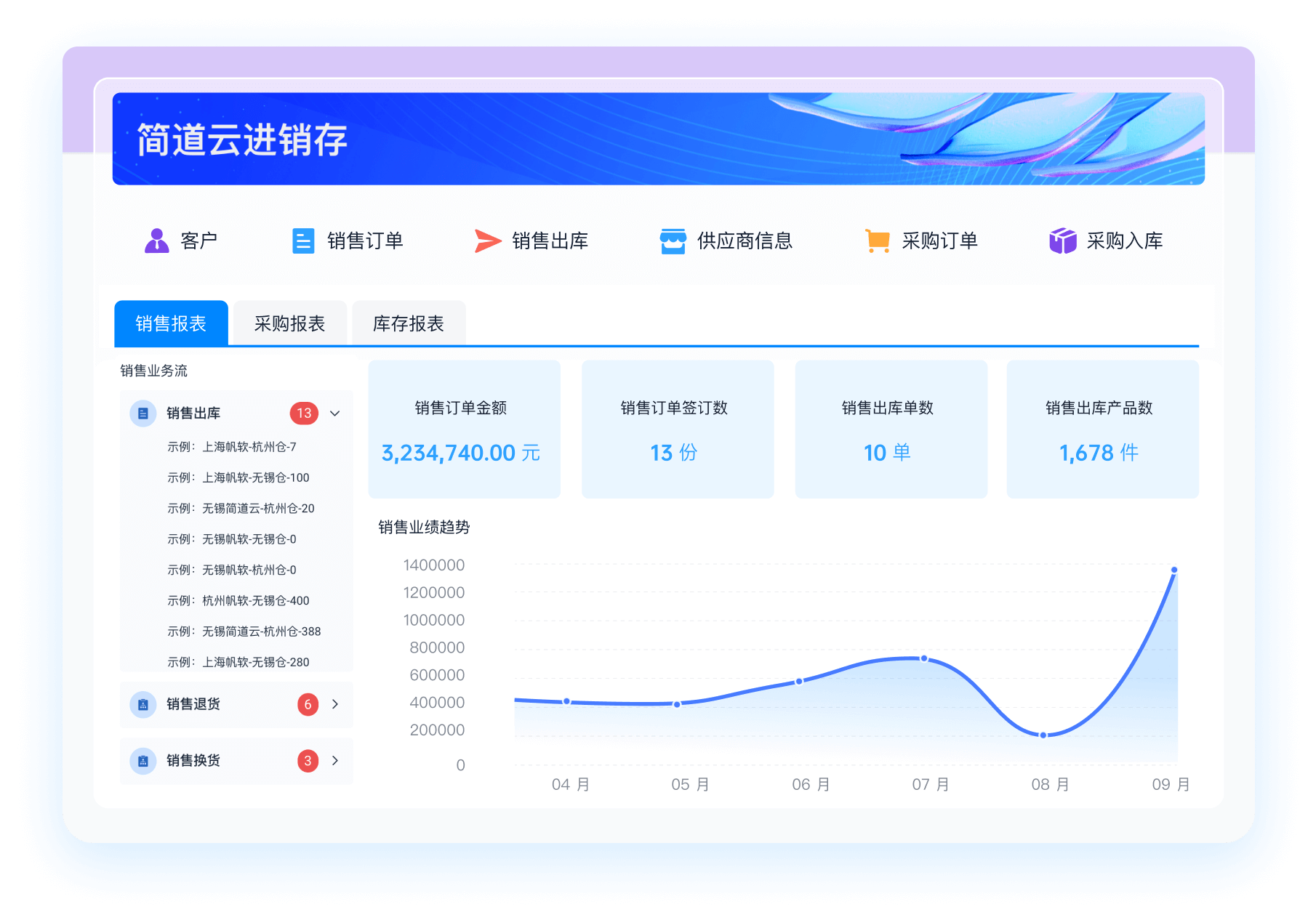
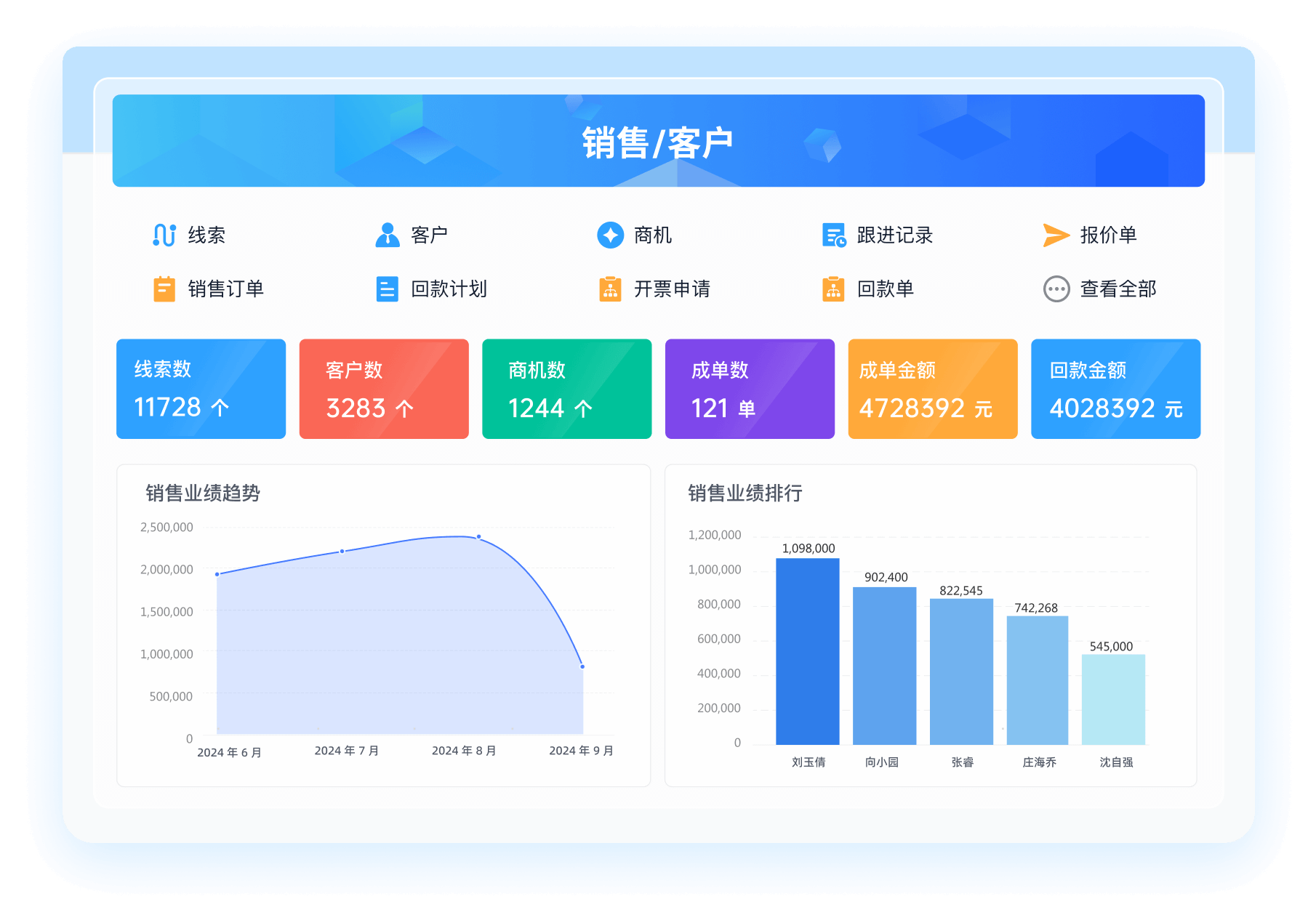
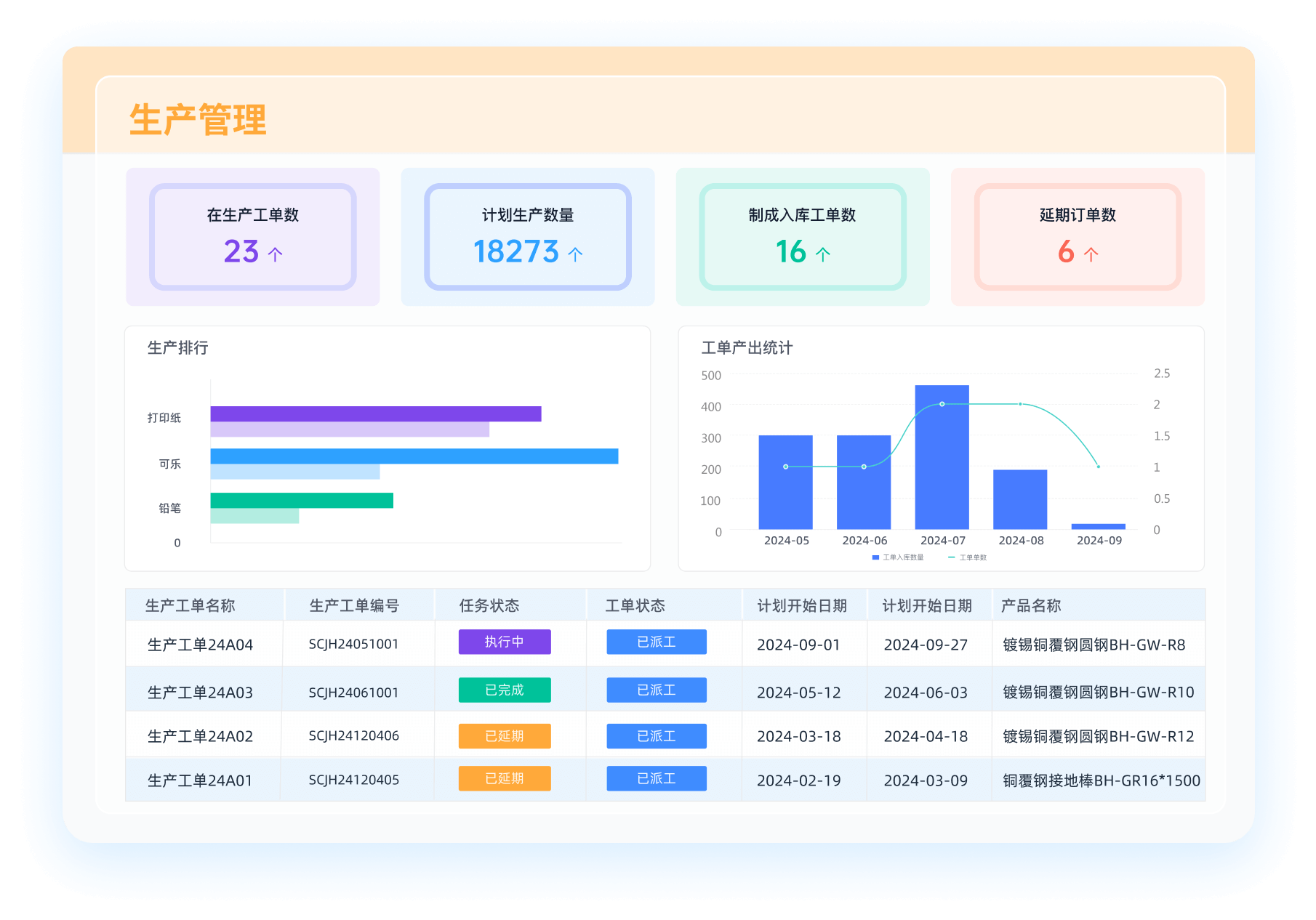
推荐100+企业管理系统模板免费使用>>>无需下载,在线安装:
地址: https://s.fanruan.com/7wtn5;



























































 《零代码开发知识图谱》
 《零代码
新动能》案例集
《零代码
新动能》案例集
 《企业零代码系统搭建指南》